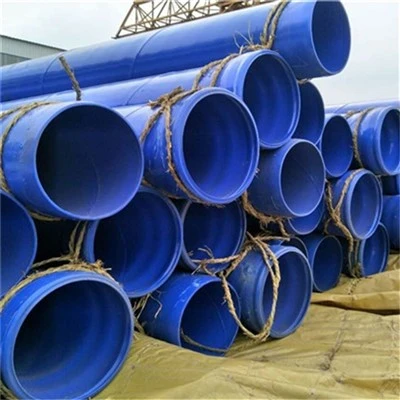
As a vital piping material in modern industrial and residential applications, insulated steel pipes are widely used for their excellent thermal insulation and corrosion resistance. However, without proper maintenance, their service life and performance can be significantly reduced. The following are key points for maintaining insulated steel pipes.
Regular Inspection and Cleaning
Exposed to the elements for extended periods, insulated steel pipes are prone to accumulating dust, oil, and even corrosive substances on their surfaces. It is recommended to wipe the outer layer with a soft cloth or neutral detergent quarterly. Avoid scratching with hard objects such as steel wool to prevent damage to the protective layer. For buried pipes, special inspections should be made at joints and elbows to prevent stress concentrations caused by soil settlement.
Anti-corrosion treatment is essential.
The outer casing of insulated steel pipes is typically made of galvanized steel or high-density polyethylene (HDPE), but prolonged exposure to moisture or chemicals can still lead to rust. Inspect the outer casing annually. If rust spots or coating damage are found, repair them promptly with a specialized anti-corrosion paint. For buried pipes, cathodic protection treatment is recommended before installation to further extend the corrosion resistance period.

Insulation Maintenance
The insulation layer (such as polyurethane foam) is the core protection of steel pipes. Damage can lead to heat loss and even internal corrosion. Avoid mechanical impacts on a daily basis. If localized dents or cracks are found, contact a professional for repair with a similar material. For pipes operating under high-temperature conditions, regularly inspect the insulation thickness to ensure it meets standards.
Sealing and Drainage Management
Inspect all pipe joints and flange seals for deterioration and replace if necessary. Drain valves should be installed at low points on exposed pipes to prevent water from freezing and expanding, potentially damaging the structure. In cold winter regions, additional antifreeze material can be applied to prevent brittle insulation.
Proper maintenance not only improves the energy efficiency of insulated steel pipes but also reduces replacement costs. Regular maintenance and timely repairs can ensure stable operation for over 15 years, achieving both economic and environmental benefits.