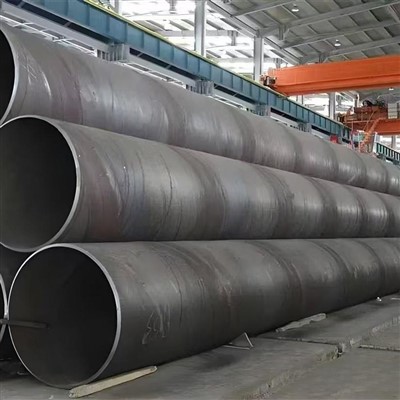
A Complete Analysis of Precautions for Using Anti-corrosion Steel Pipe
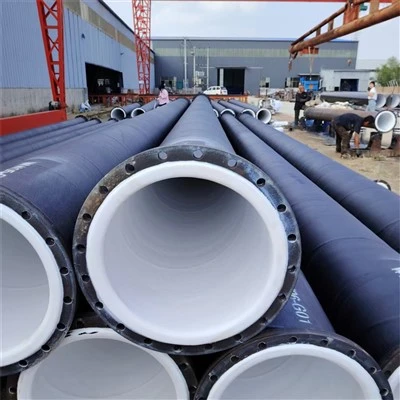
Due to its excellent corrosion resistance, anti-corrosion steel pipe is widely used in the petroleum, chemical, natural gas, and water supply industries. However, neglecting key precautions during use can lead to the failure of the anti-corrosion coating, shortening the pipe's lifespan and even causing safety accidents. The following details the precautions for using anti-corrosion steel pipe from four aspects: transportation, installation, operation, and maintenance.
I. Transportation: Avoid Physical Damage
The anti-corrosion coating of anti-corrosion steel pipe (such as 3PE, epoxy powder, etc.) is easily damaged by collision, friction, or compression during transportation. Therefore, please note:
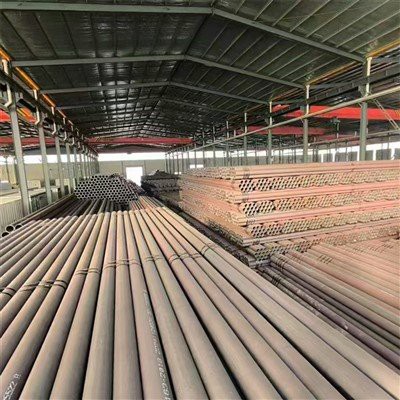
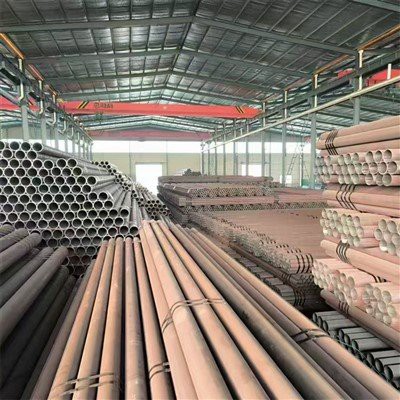
Proper Loading: Use dedicated supports or soft cushioning to secure the steel pipe and avoid direct contact with hard objects. Apply even force when tying to prevent the coating from being strangled.
Protecting against rain and moisture: Cover with a waterproof tarpaulin during transportation, especially for epoxy-based anti-corrosion coatings, as contact with water may reduce their adhesion.
Lift and Place with Care: Use dedicated slings during lifting, and avoid direct contact between the wire rope and the pipe. Lifting points should avoid welds or weak spots in the coating.

II. Installation Process: Minimizing Damage
Installation is a high-risk stage for damage to the anti-corrosion coating. Pay special attention to the following details:
Pipe End Protection: Before cutting or welding, seal the anti-corrosion coating on the pipe ends with tape or plastic caps to prevent burns from flying sparks.
Welding Requirements: If on-site welding is required, leave a 10-15cm gap between the weld seam and the anti-corrosion coating. Reapply the coating after welding is complete. Work in rain, snow, or environments with humidity exceeding 85% is strictly prohibited.
Handling Instructions: Wear gloves during manual handling to prevent corrosion from hand sweat. During mechanical handling, adjust the roller spacing to prevent bending and deformation of the pipe.
III. Operation Phase: Controlling the Environment and Pressure
The long-term performance of anti-corrosion steel pipe is closely related to the operating environment:
Media Compatibility: Confirm that the conveying medium (e.g., acidic and alkaline fluids, high-temperature steam) matches the anti-corrosion coating type. For example, epoxy powder is acid-resistant but not resistant to strong solvents.
Temperature and Pressure Limits: Strictly adhere to design parameters. Excessive temperatures may cause the coating to soften and fall off, and high pressure can easily cause stress cracking. Cathodic Protection Coordination: Buried pipelines require regular testing of the cathodic protection potential (usually -0.85V to -1.2V) to ensure electrochemical protection at damaged areas of the anti-corrosion coating.
IV. Maintenance and Inspection: Promptly Repair Defects
Regular maintenance can extend the life of anti-corrosion steel pipes several times:
Appearance Inspection: Visually inspect the coating for bubbling, cracking, or peeling at least annually, focusing on stress concentration areas such as welds and elbows.
Electro-spark Testing: Buried pipelines should be inspected for pinholes in the coating using an electro-spark tester every 2-3 years. Leaks should be repaired with anti-corrosion paint or heat shrink tape.
Environmental Cleaning: Remove weeds and corrosive deposits (such as saline-alkali soil) around the pipeline to prevent microbiologically influenced corrosion (MIC).
Conclusion
The performance advantages of anti-corrosion steel pipes depend on comprehensive and standardized management. Strict adherence to the above precautions at every stage, from transportation to disposal, ensures the full anti-corrosion effect and the safe and stable operation of the system. For special working conditions (such as deep sea and strong acid environment), it is recommended to consult the manufacturer for customized solutions and do not operate blindly.