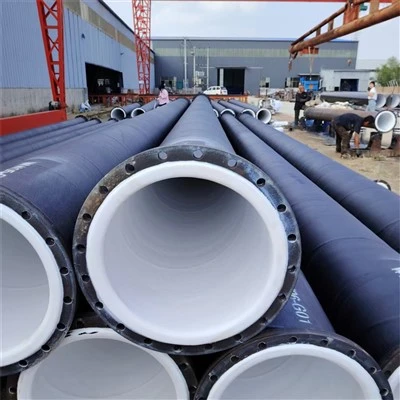
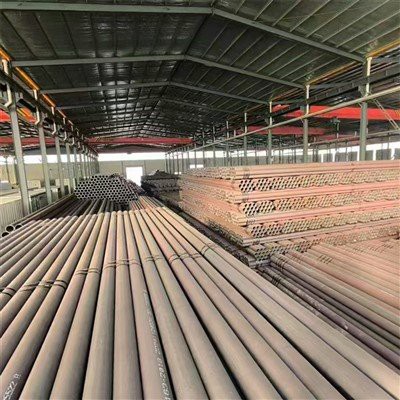
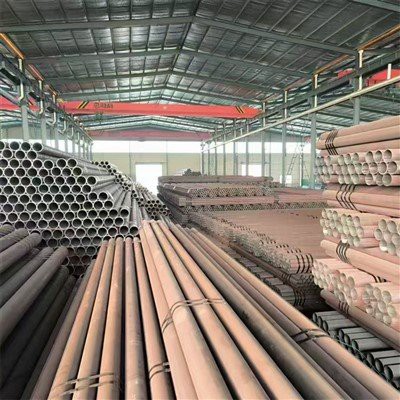
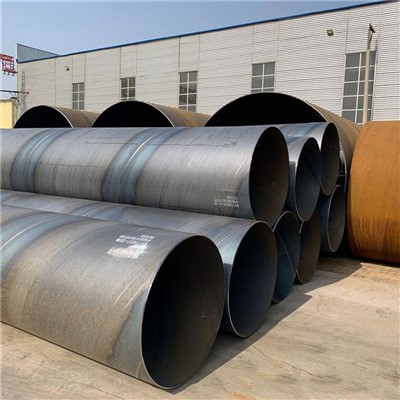
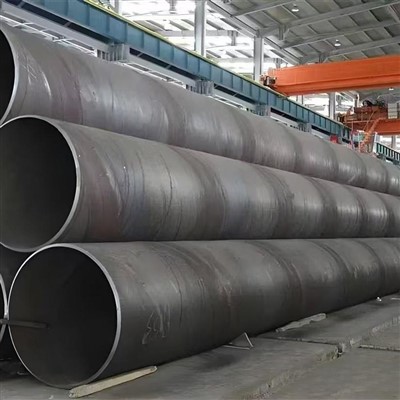
Corrosion-resistant steel pipes, an indispensable material in modern industry and infrastructure construction, are widely used in the oil, gas, chemical, and water supply sectors. Their corrosion resistance directly impacts the service life and safety of the pipes. However, even treated steel pipes can still be susceptible to corrosion threats after long-term exposure to complex environments. Therefore, establishing a scientifically sound maintenance cycle is crucial to extending the service life of corrosion-resistant steel pipes.
I. Common Corrosion Protection Methods for Corrosion-Resistant Steel Pipes
Corrosion protection methods for corrosion-resistant steel pipes primarily include coatings (such as 3PE and epoxy powder), cathodic protection (sacrificial anodes or impressed current), and linings (such as cement mortar and plastic coatings). Different corrosion protection methods have different maintenance cycle requirements. For example, coatings rely primarily on an external protective layer, while cathodic protection requires regular potential monitoring to ensure effectiveness.
II. Recommended Maintenance Cycles for Corrosion-Resistant Steel Pipes
1. Maintenance Cycles in Normal Environments
In normal soil or dry environments, the maintenance cycle for corrosion-resistant steel pipes is typically 1-2 years. A comprehensive inspection should be performed, including:
Visual inspection: Check for coating damage, peeling, or rust.
Cathode protection testing (if applicable): Measure the protection potential to ensure it is within the effective range (typically -0.85V to -1.2V vs. CSE).
Inspect key areas such as flanges and welds: These areas are susceptible to stress corrosion and require special attention.
2. Maintenance Cycles in Harsh Environments
In highly corrosive environments such as those with high salt content, high humidity, and strong acid and alkali content, the maintenance cycle for corrosion-resistant steel pipes should be shortened to 6 months to 1 year, and additional protective measures should be implemented, such as:
Increasing the frequency of coating repairs to prevent the spread of localized corrosion.
Enhancing cathodic protection monitoring and adjusting the protection current as necessary. Regularly clean the pipe surface to prevent dirt and salt accumulation that accelerates corrosion.
3. Special Maintenance Requirements for Buried Pipelines
Buried anti-corrosion steel pipes are difficult to maintain and typically rely on regular excavation inspections or intelligent monitoring systems (such as corrosion probes and potential monitoring). The recommended maintenance interval is:
Perform a local excavation inspection every 2-3 years to assess the integrity of the anti-corrosion coating.
Monitor the cathodic protection system annually to ensure long-term effectiveness.

III. Maintenance Measures and Recommendations
Coating Repair: If coating damage is discovered, promptly repair it to prevent moisture and oxygen penetration that can cause corrosion.
Cathodic Protection Maintenance: Regularly check anode consumption and, if necessary, replace sacrificial anodes or adjust the impressed current.
Environmental Control: Where possible, improve the pipeline environment (such as drainage and anti-corrosion coatings) to reduce corrosion factors.
Recordsets and Data Analysis: Establish a comprehensive maintenance record, use historical data to predict future maintenance needs, and optimize maintenance intervals.
IV. Conclusion
The maintenance cycle for corrosion-resistant steel pipes is not fixed but needs to be adjusted dynamically based on factors such as the operating environment, corrosion protection method, and years of operation. Scientific maintenance not only extends the life of the pipes but also prevents safety incidents such as leaks and fractures caused by corrosion. It is recommended that businesses or management units develop personalized maintenance plans, combined with regular inspections and intelligent monitoring technologies, to ensure the long-term and stable operation of corrosion-resistant steel pipes.