


Hey there! I'm a supplier of TPEP anti - corrosion steel pipes, and today I wanna chat about something super important: the impact of chemical substances on TPEP anti - corrosion steel pipes.
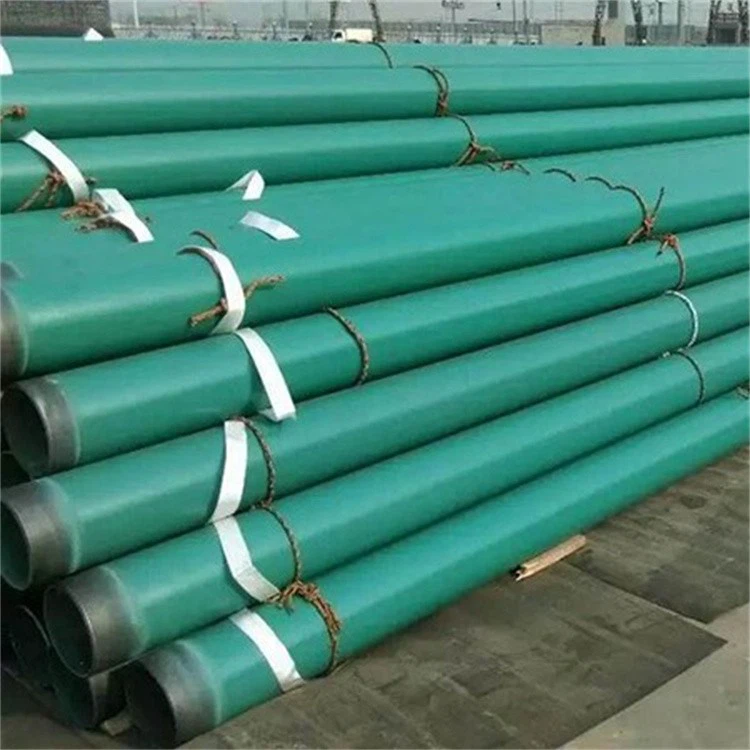
First off, let's understand what TPEP anti - corrosion steel pipes are. TPEP stands for "Thermal Plastic Epoxy Powder", which is a high - performance anti - corrosion coating. This coating is applied to steel pipes to protect them from the harsh effects of corrosion, extending their lifespan and ensuring they can work effectively in various environments.
Now, let's dig into the impact of different chemical substances on these pipes.
1. Acids
Acids are one of the most common chemical substances that can affect TPEP anti - corrosion steel pipes. Strong acids, like sulfuric acid and hydrochloric acid, are highly corrosive. When these acids come into contact with the steel pipe, they can react with the metal and the anti - corrosion coating.
If the TPEP coating is damaged or not properly applied, the acid can penetrate through it and start attacking the steel. The acid will react with the iron in the steel, forming metal salts and hydrogen gas. This reaction can cause pitting and thinning of the steel wall, which weakens the pipe's structural integrity.
However, the TPEP coating is designed to resist a certain level of acid corrosion. It has good chemical resistance properties, which means it can act as a barrier between the acid and the steel. But if the acid concentration is too high or the exposure time is long, the coating may eventually break down.
2. Alkalis
Alkalis, such as sodium hydroxide and potassium hydroxide, also have an impact on TPEP anti - corrosion steel pipes. Similar to acids, alkalis can react with the coating and the steel.
The TPEP coating can resist mild alkalis to some extent. But strong alkalis can cause the coating to swell or become brittle. When the coating swells, it may lose its adhesion to the steel surface, allowing the alkali to reach the steel. Once the alkali contacts the steel, it can form metal hydroxides, which can also lead to corrosion.
In some industrial settings where there are high - concentration alkali solutions, special precautions need to be taken. For example, additional protective layers can be added to the TPEP - coated pipe to enhance its alkali resistance.
3. Salts
Salts are another group of chemical substances that can affect TPEP anti - corrosion steel pipes. In coastal areas or in industries where there are salt - containing solutions, the pipes are often exposed to salts.
Chloride salts, in particular, are very aggressive. Chloride ions can penetrate the TPEP coating and reach the steel surface. They can break down the passive film on the steel, which is a thin layer that protects the steel from corrosion. Once the passive film is broken, the steel becomes more vulnerable to corrosion.
The presence of salts can also increase the electrical conductivity of the surrounding environment. This can accelerate the electrochemical corrosion process, where the steel acts as an anode and loses electrons, leading to corrosion.
4. Oxidizing Agents
Oxidizing agents, like hydrogen peroxide and chlorine, can have a significant impact on TPEP anti - corrosion steel pipes. These agents can react with the TPEP coating and the steel.
Oxidizing agents can cause the TPEP coating to oxidize. Oxidation can change the chemical structure of the coating, making it less effective as a protective layer. It can also cause the coating to crack or peel off.
When the coating is damaged, the oxidizing agent can then react with the steel. Oxidation of the steel can lead to the formation of iron oxides, which are commonly known as rust. Rust is porous and does not provide any protection to the steel, so the corrosion process will continue.
5. Organic Solvents
Organic solvents, such as benzene, toluene, and acetone, can also affect TPEP anti - corrosion steel pipes. These solvents can dissolve or swell the TPEP coating.

If the coating is exposed to organic solvents for a long time, it may lose its integrity. The solvent can penetrate the coating and reach the steel, causing corrosion. In some cases, the swelling of the coating can also lead to mechanical stress on the pipe, which may cause the coating to crack.
Impact on Different Applications
The impact of chemical substances on TPEP anti - corrosion steel pipes varies depending on the application.
In the oil and gas industry, the pipes are often exposed to a variety of chemical substances, including acids, salts, and hydrocarbons. The TPEP coating needs to be able to withstand these harsh conditions to ensure the safe and efficient transportation of oil and gas.
In the water supply and drainage systems, the pipes may be exposed to different types of chemicals in the water, such as chlorine and salts. The TPEP coating helps to prevent the pipes from corroding and ensures the quality of the water supply.
In the chemical industry, where there are high - concentration chemical solutions, the requirements for the TPEP - coated pipes are even more stringent. The pipes need to be able to resist the specific chemicals used in the production process.
How to Mitigate the Impact
To mitigate the impact of chemical substances on TPEP anti - corrosion steel pipes, several measures can be taken.
First, proper coating application is crucial. The TPEP coating should be applied evenly and with the correct thickness. This ensures that the coating can provide maximum protection to the steel.
Second, regular inspection and maintenance are necessary. By inspecting the pipes regularly, any signs of coating damage or corrosion can be detected early. If damage is found, the coating can be repaired or reapplied in a timely manner.
Third, the use of additional protective measures, such as cathodic protection, can be considered. Cathodic protection can help to reduce the electrochemical corrosion of the steel by providing a sacrificial anode.
Related Products
If you're interested in other types of anti - corrosion steel pipes, we also offer Epoxy Resin Anti - corrosion Steel Pipe, Epoxy Powder Anti - corrosion Steel Pipe, and FBE Anti - corrosion Steel Pipe. These products also have excellent anti - corrosion properties and can be suitable for different applications.
Conclusion
In conclusion, chemical substances can have a significant impact on TPEP anti - corrosion steel pipes. Acids, alkalis, salts, oxidizing agents, and organic solvents can all cause damage to the coating and the steel. However, with proper coating application, regular inspection and maintenance, and the use of additional protective measures, the impact can be effectively mitigated.
If you're in the market for high - quality TPEP anti - corrosion steel pipes or any of our other anti - corrosion products, don't hesitate to reach out for a purchase negotiation. We're here to provide you with the best solutions for your anti - corrosion needs.
References
- Smith, J. (2018). Corrosion of Steel Pipes in Chemical Environments. Journal of Materials Science.
- Johnson, A. (2019). Anti - Corrosion Coatings for Steel Pipes. Industrial Coatings Review.
- Brown, R. (2020). Impact of Chemical Substances on Pipe Materials. Pipe Engineering Journal.


