


As a supplier of Plastic Coated Steel Pipes for Mining, I often receive inquiries about the suitability of our products for various mining applications. One question that frequently comes up is whether our plastic coated steel pipes can be used in lead - zinc mining. In this blog, I'll delve into the technical aspects, advantages, and considerations to help you understand if our pipes are the right choice for lead - zinc mining operations.
Technical Properties of Plastic Coated Steel Pipes for Mining
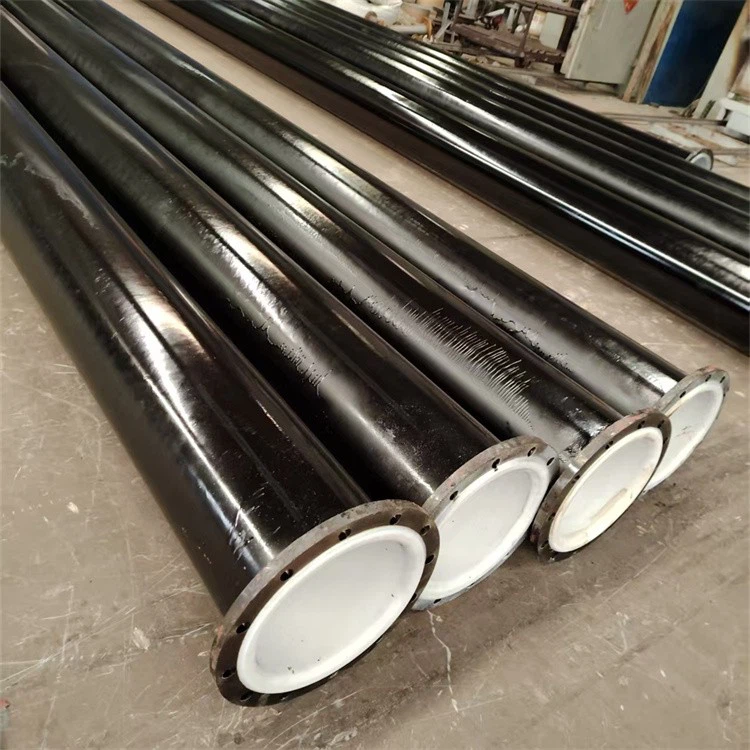
Plastic coated steel pipes are composed of a steel core with a plastic coating on the inner and/or outer surface. The steel core provides the necessary strength and structural integrity to withstand the high pressures and mechanical stresses commonly encountered in mining operations. Meanwhile, the plastic coating offers excellent corrosion resistance, which is crucial in harsh mining environments.
The plastic coating materials used in our pipes are carefully selected for their chemical resistance, durability, and adhesion to the steel substrate. For instance, high - density polyethylene (HDPE) is a popular choice due to its excellent chemical resistance, low friction coefficient, and high impact strength. These properties make it suitable for transporting a variety of fluids, including those containing acids, alkalis, and abrasive particles.
Suitability for Lead - Zinc Mining
Corrosion Resistance
Lead - zinc mining involves the extraction and processing of ores that often contain sulfuric acid, heavy metals, and other corrosive substances. These substances can cause severe corrosion to unprotected steel pipes, leading to leaks, reduced flow rates, and ultimately, pipe failure. Our plastic coated steel pipes, with their corrosion - resistant plastic coating, can effectively prevent the contact between the steel core and the corrosive fluids, significantly extending the service life of the pipes.
Abrasion Resistance
During the mining process, the pipes are used to transport slurries containing abrasive particles such as quartz, feldspar, and ore fragments. The plastic coating on our pipes provides a smooth surface that reduces the friction between the fluid and the pipe wall, minimizing the wear and tear caused by abrasion. This is particularly important in lead - zinc mining, where the high - velocity flow of abrasive slurries can quickly erode unprotected pipes.
Chemical Compatibility
The plastic coating on our pipes is chemically compatible with the fluids commonly encountered in lead - zinc mining. It can resist the attack of sulfuric acid, which is often used in the leaching process, as well as other chemicals used in ore processing, such as lime, cyanide, and flotation reagents. This ensures that the pipes can maintain their integrity and performance over a wide range of chemical conditions.
Advantages of Using Plastic Coated Steel Pipes in Lead - Zinc Mining
Cost - Effectiveness
Although the initial cost of plastic coated steel pipes may be higher than that of traditional steel pipes, their long - term cost - effectiveness is undeniable. The extended service life, reduced maintenance requirements, and lower replacement frequency of our pipes result in significant cost savings over the life cycle of the mining operation.
Ease of Installation
Our plastic coated steel pipes are easy to install, thanks to their lightweight design and standard pipe fittings. They can be easily cut, welded, and connected using conventional methods, reducing the installation time and labor costs.
Environmental Friendliness
The plastic coating on our pipes is made from recyclable materials, which is in line with the growing environmental awareness in the mining industry. Additionally, the corrosion - resistant properties of the pipes reduce the risk of leaks and spills, minimizing the environmental impact of the mining operation.

Considerations
Temperature and Pressure
While our plastic coated steel pipes can withstand a wide range of temperatures and pressures, it's important to consider the specific operating conditions in lead - zinc mining. Extreme temperatures and pressures can affect the performance of the plastic coating and the steel core. Therefore, it's crucial to select the appropriate pipe specifications based on the actual temperature and pressure requirements of the mining operation.
Installation Quality
Proper installation is essential to ensure the optimal performance of our plastic coated steel pipes. The pipes should be installed according to the manufacturer's instructions, with special attention paid to the alignment, support, and sealing of the joints. Any improper installation can lead to leaks, reduced flow rates, and premature pipe failure.
Related Products
If you are interested in other applications of plastic coated steel pipes, we also offer Plastic Coated Steel Pipe for Gas and Plastic Coated Steel Pipe for Fire Protection. Additionally, our Plastic Lined Steel Pipe provides an alternative solution for applications requiring high - level chemical resistance.
Conclusion
In conclusion, our plastic coated steel pipes are highly suitable for use in lead - zinc mining. Their corrosion resistance, abrasion resistance, chemical compatibility, and other advantages make them a reliable and cost - effective solution for transporting fluids in this challenging environment. However, it's important to carefully consider the specific operating conditions and installation requirements to ensure the optimal performance of the pipes.
If you are involved in lead - zinc mining or other mining operations and are interested in our plastic coated steel pipes, please feel free to contact us for more information. We are committed to providing high - quality products and professional services to meet your specific needs.
References
- "Corrosion Resistance of Plastic Coated Steel Pipes in Mining Environments" - Journal of Mining Materials Science
- "Abrasion Resistance of Plastic Coated Pipes for Slurry Transport" - International Journal of Mining Engineering
- "Chemical Compatibility of Plastic Coatings in Mining Fluids" - Chemical Engineering in Mining


