


Hey there! I'm a supplier of Epoxy Resin Anti - corrosion Steel Pipe. You know, one of the most common questions I get from customers is how the temperature affects the anti - corrosion performance of epoxy resin on steel pipes. So, I thought I'd dive into this topic in today's blog.
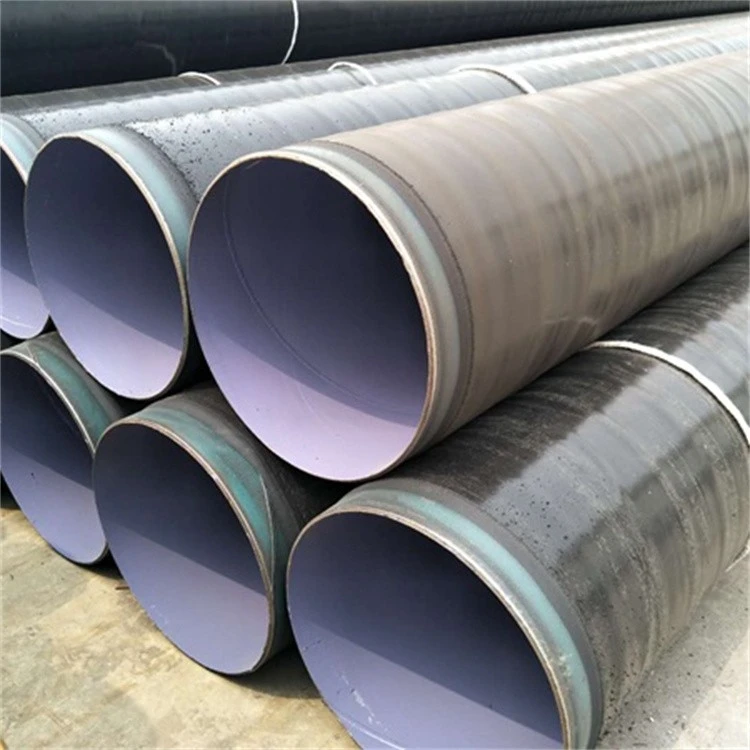
First off, let's understand what epoxy resin is and why it's used for anti - corrosion on steel pipes. Epoxy resin is a type of polymer that forms a tough, durable coating. When applied to steel pipes, it acts as a barrier between the steel and the surrounding environment, preventing corrosion. It's like a shield for your pipes, keeping them safe from rust and other forms of degradation.
Now, let's talk about temperature. Temperature can have a significant impact on the anti - corrosion performance of epoxy resin. At lower temperatures, the curing process of epoxy resin slows down. Curing is the chemical reaction that turns the liquid epoxy into a solid coating. When it's cold, this reaction takes longer to complete, which means the coating might not reach its full strength and protective capabilities. For example, if you install epoxy - coated steel pipes in a cold climate without allowing enough time for the epoxy to cure properly, the coating could be more prone to cracking and peeling. This exposes the steel underneath to moisture and oxygen, leading to corrosion.
On the other hand, high temperatures can also cause problems. When the temperature gets too high, the epoxy resin can start to break down. The heat can cause the polymer chains in the epoxy to break, weakening the coating. This can result in a loss of adhesion between the epoxy and the steel surface. Once the adhesion is compromised, the coating can blister or flake off, leaving the steel vulnerable to corrosion.
Let's look at some real - world scenarios. In a hot desert environment, where temperatures can soar during the day and drop significantly at night, the epoxy - coated steel pipes are subjected to extreme temperature variations. These fluctuations can cause the epoxy coating to expand and contract repeatedly. Over time, this thermal cycling can lead to micro - cracks in the coating. Moisture can then seep through these cracks and reach the steel, initiating the corrosion process.
In a cold storage facility, the low temperatures can make the epoxy coating brittle. If the pipes are accidentally bumped or vibrated, the brittle coating is more likely to crack. And as we know, once the coating is cracked, corrosion can set in.
Now, as a supplier, I offer different types of anti - corrosion steel pipes to meet various temperature requirements. For instance, the IPN8710 Anti - corrosion Steel Pipe is a great option for applications where the temperature is relatively stable. It has good chemical resistance and can provide reliable anti - corrosion protection in a wide range of environments.
The TPEP Anti - corrosion Steel Pipe is designed to handle more extreme temperature conditions. It has a double - layer structure that provides enhanced protection against thermal cycling. The outer layer can withstand high temperatures, while the inner layer adheres well to the steel and offers excellent anti - corrosion properties.
Another popular choice is the 3PE Anti - corrosion Steel Pipe. This pipe has a three - layer polyethylene coating that provides superior protection against corrosion, even in harsh environments with significant temperature variations.
So, how can you ensure the best anti - corrosion performance of epoxy resin on steel pipes in different temperatures? Here are some tips. First, make sure to follow the manufacturer's instructions for application and curing. This includes the recommended temperature range for application and the curing time. Second, consider the environmental conditions where the pipes will be installed. If it's a hot or cold area, choose the appropriate type of anti - corrosion steel pipe.
If you're in the process of planning a project that involves steel pipes, it's crucial to think about the temperature factor. Don't just focus on the initial cost of the pipes; consider the long - term performance and maintenance. A well - chosen anti - corrosion steel pipe can save you a lot of money in the long run by reducing the need for frequent repairs and replacements.

I hope this blog has given you a better understanding of how temperature affects the anti - corrosion performance of epoxy resin on steel pipes. If you have any questions or are interested in purchasing our Epoxy Resin Anti - corrosion Steel Pipe, feel free to reach out. We're here to help you find the best solution for your project.
References
- "Corrosion of Metals in Natural Waters" by Roberta Melchers
- "Handbook of Epoxy Resins" by Henry Lee and Kris Neville


