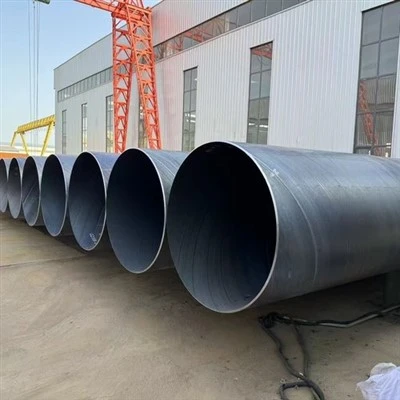
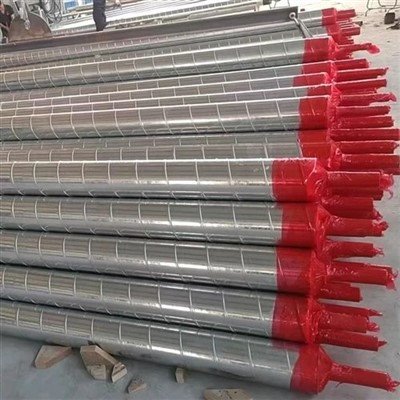
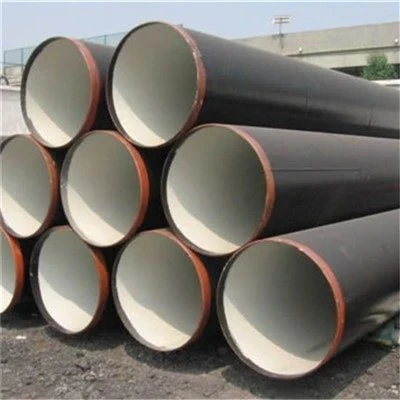
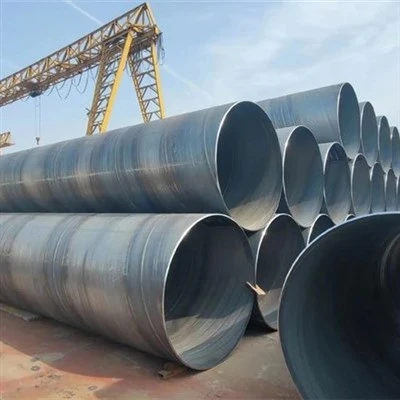
Stainless steel seamless pipe is a tubular product made from solid stainless steel round billet through piercing, hot rolling, or cold drawing (cold rolling), with no weld seam on the pipe body. Compared with welded pipe, seamless pipe offers advantages in pressure-bearing capacity, dimensional accuracy, and overall uniformity. It is widely used in petrochemical, power generation, boiler, pharmaceutical, food, and semiconductor industries where corrosion resistance and sealing performance are critical.
In terms of material, commonly used stainless steel seamless pipes include 304, 304L, 316, 316L, 321, 310S, and duplex stainless steels such as 2205 and 2507. Among them, 304 and 316 series suit most conventional corrosive environments. Due to its molybdenum content, 316L offers significantly better pitting resistance than 304 in chloride environments. 321 and 310S are suitable for high-temperature service, while duplex steels combine high strength with excellent stress corrosion resistance, often used in marine engineering and chemical equipment.
In terms of process, hot-rolled seamless pipe is generally used for large-diameter, thick-wall pipes, with outer diameters reaching several hundred millimeters. Cold-drawn (cold-rolled) seamless pipe is used for small-diameter, thin-wall, and high-precision tubes, offering better surface finish and tighter dimensional tolerances. Products typically undergo solution treatment, pickling and passivation, hydrostatic testing, eddy current testing, or ultrasonic testing to ensure mechanical properties and corrosion resistance meet standards.
When purchasing and selecting, it is recommended to focus on material grade, applicable standards (such as ASTM A312, ASTM A269, GB/T 14976), outer diameter and wall thickness tolerances, surface treatment, and inspection reports. The appropriate stainless steel grade should be selected based on actual media, temperature, and pressure conditions to ensure long-term safe operation.