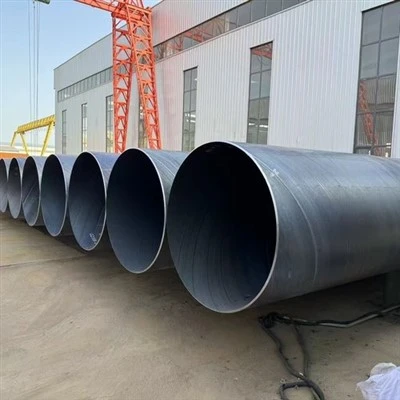
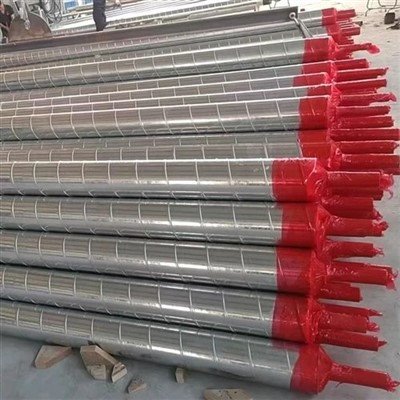
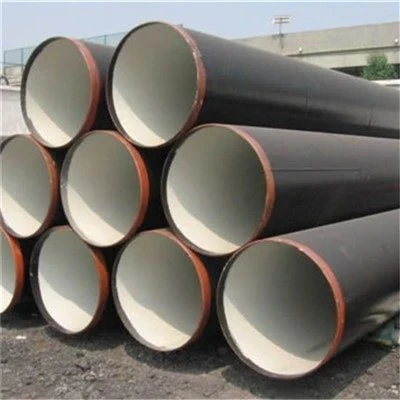
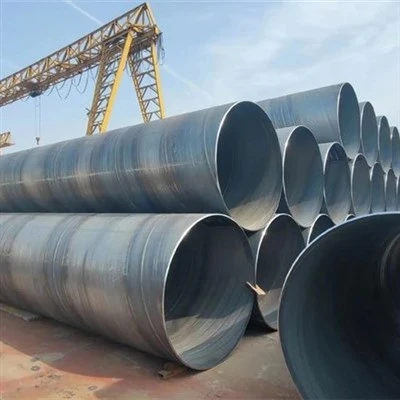
Carbon steel pipe is a tubular product made primarily from carbon steel. By manufacturing process, it falls into two main categories: seamless pipe and welded pipe. Seamless pipe is produced from solid round billet through piercing, hot rolling, or cold drawing, with no weld seam on the pipe body, offering better pressure-bearing capacity and dimensional uniformity for high-pressure, high-temperature, and sealing-critical applications. Welded pipe is formed by rolling steel plate or strip and then welding, featuring high production efficiency and lower cost, widely used for low-pressure fluid transportation, structural support, and general piping projects.
By application and standard, common carbon steel pipe types include fluid transportation pipe (such as GB/T 8163, ASTM A106), line pipe (API 5L), boiler pipe (GB/T 3087), structural pipe (ASTM A53, ASTM A500), and precision pipe (GB/T 3639). In terms of material, domestic grades commonly include 10#, 20#, 45#, Q235B, and Q355B, while export markets most often use ASTM A106 Gr.B, ASTM A53 Gr.B, and API 5L Gr.B. Among them, 20# steel and A106 Gr.B offer good comprehensive performance and are mainstream choices for fluid and high-temperature service.
Carbon steel pipe is widely used in oil and gas, chemicals, power generation, boilers, machinery manufacturing, building structures, and municipal engineering. When purchasing and selecting, it is recommended to focus on material grade, applicable standards, outer diameter and wall thickness tolerances, delivery condition (hot-rolled, cold-drawn, normalized, etc.), and inspection reports. The appropriate grade should be selected based on transportation media, working temperature, and pressure conditions to ensure long-term safe operation of the pipeline system.