Steel pipe is one of the most common materials in the construction, machinery manufacturing, and engineering fields. However, there are many different types of basic steel pipe, with significant differences in material, production process, performance, and application. Understanding these differences will help you choose the most appropriate type of steel pipe for your application.
I. Differences by Material Classification
1. Carbon Steel Pipe
Carbon steel pipe is the most common type of basic steel pipe. It is primarily composed of iron and carbon, with a carbon content generally ranging from 0.02% to 2.11%. Depending on the carbon content, it can be divided into low-carbon steel, medium-carbon steel, and high-carbon steel pipe.
Low-carbon steel pipe (such as Q235): Offers moderate strength, good toughness, and ease of welding. It is widely used in building structures, piping systems, and other applications.
Medium-high carbon steel pipe: Offers higher strength but reduced toughness. It is suitable for applications requiring higher hardness, such as mechanical parts and springs.
2. Alloy Steel Pipe
Alloy steel pipes are made from carbon steel with the addition of other metallic elements, such as chromium, nickel, and molybdenum, to enhance corrosion resistance, strength, or high-temperature performance.
Stainless steel pipes (such as 304 and 316): Contain chromium and nickel, offering excellent corrosion resistance. They are commonly used in the chemical, food processing, and medical equipment industries.
Low-alloy high-strength steel pipes (such as Q345): Contain elements such as manganese and silicon, resulting in higher strength than ordinary carbon steel. They are suitable for structures such as bridges and high-pressure vessels.
3. Seamless and Welded Steel Pipes
Seamless steel pipes: Manufactured through perforation or extrusion processes, they have no weld seams and offer greater pressure resistance. They are suitable for high-pressure, high-temperature environments, such as boilers and oil pipelines.
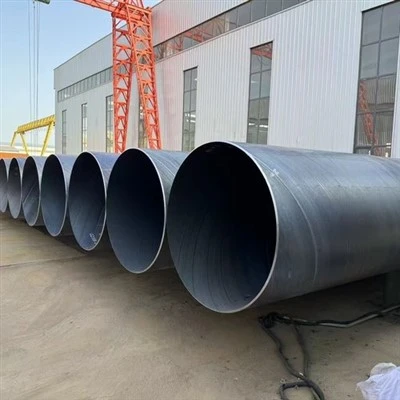
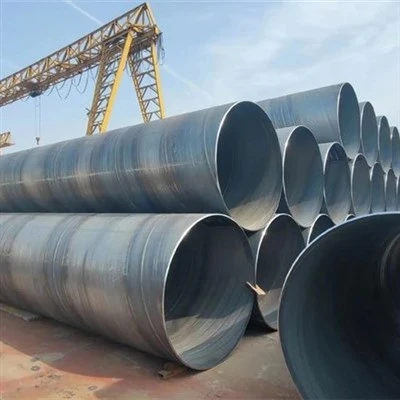
Welded steel pipes (such as ERW and LSAW): Manufactured by coiling and welding steel plates, they are more cost-effective and suitable for low-pressure fluid transportation, such as water and gas systems.
II. Differences by Production Process
1. Hot-Rolled Steel Pipe
Hot-rolled steel pipe is rolled at high temperatures. It has a uniform internal structure, but may have a rough surface. It is commonly used for structural parts and machining.
2. Cold-Rolled/Cold-Drawn Steel Pipe
Cold-rolled or cold-drawn steel pipe undergoes low-temperature processing, resulting in high dimensional accuracy and a smooth surface. It is suitable for applications with strict dimensional requirements, such as precision machinery and automotive parts.
III. Differences by Application
1. Structural Steel Pipe
Mainly used in construction, bridges, and mechanical supports, such as Q235B steel pipe, emphasizing strength and weldability.
2. Fluid Transport Steel Pipe
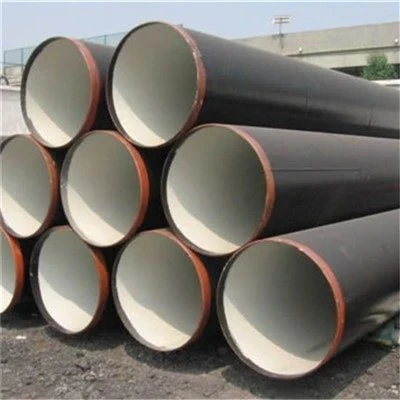
Used for transporting water, oil, and gas, such as welded steel pipe (API 5L), requiring a smooth inner wall and corrosion resistance.
3. High-Pressure/High-Temperature Steel Pipe
For applications such as boiler pipes and oil casing, seamless alloy steel pipe is typically used to withstand extreme pressures and temperatures.
IV. How to Choose the Right Basic Steel Pipe? Building structures: Carbon structural steel (such as Q235) is preferred.
Chemical/food industries: Stainless steel pipe (such as 304, 316) is preferred.
High-pressure fluid transportation: Seamless or alloy steel pipe is used.
Precision machinery: Cold-drawn or cold-rolled steel pipe is selected to ensure dimensional accuracy.
The differences between basic steel pipes are not only reflected in the material and craftsmanship, but also directly affect their application scenarios. Choosing the right steel pipe type not only improves project safety, but also reduces costs and extends service life.