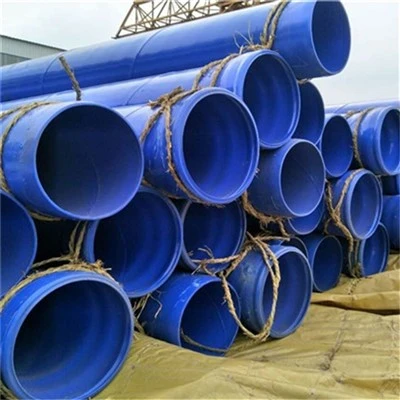
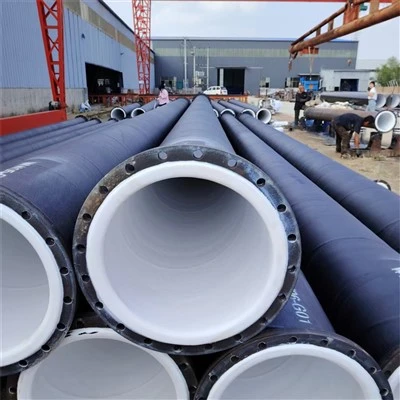
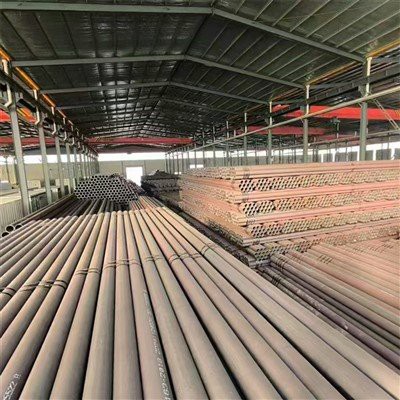
Spiral steel pipe, a common piping material in industry and construction, is widely used for conveying liquids and gases due to its high strength and corrosion resistance. However, without proper care over long periods of use, it can easily develop rust and wear, affecting its service life and safety. Understanding key daily care techniques can effectively extend its lifespan.
Cleanliness is key to basic care. Dust, oil, and chemical residue often accumulate on the surface of spiral steel pipe due to environmental factors. Regularly wipe it with a soft cloth or sponge dampened with a neutral detergent. Avoid scratching with hard objects such as steel wool to prevent damage to the surface anti-corrosion coating. For stubborn stains, gently scrub with a mild acid or alkaline solution diluted in warm water. Rinse immediately with clean water and wipe dry to prevent chemical residue from corroding the pipe.
Moisture-proofing and rust-proofing are crucial. Spiral steel pipe is susceptible to rust when exposed to humidity, especially in coastal or rainy areas. Store it elevated from the ground to avoid direct contact with standing water and cover with waterproof canvas or plastic wrap. If minor rust has appeared on the surface, lightly sandpaper it and then apply anti-rust paint. Severely rusted areas should be promptly repaired or replaced to prevent the rust from spreading.
Regular inspections are essential. Quarterly visual inspections of pipes are recommended, focusing on welds and joints for cracks, deformation, or corrosion pits. Pipes subjected to long-term pressure should be monitored for changes in wall thickness. If localized thinning exceeding the standard is observed, continued use should be evaluated. Furthermore, pipes transporting corrosive media should undergo annual endoscopic inspection or coating integrity assessment of the inner wall.
Proper use extends pipe life. Avoid overloading or frequent bending of pipes. During installation, ensure proper support spacing to reduce fatigue damage caused by vibration. In cold winter regions, drain any accumulated water from the pipes to prevent cracking. In hot environments, reinforce thermal insulation.
Proper daily care can significantly improve the reliability of spiral steel pipes. Cleaning, rust prevention, regular inspections, and proper use not only reduce maintenance costs but also ensure the long-term stable operation of the pipeline system, safeguarding the safety of industrial production and infrastructure.