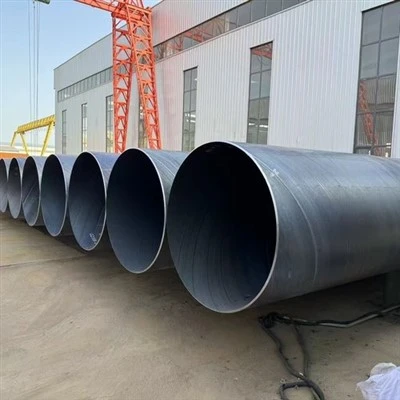
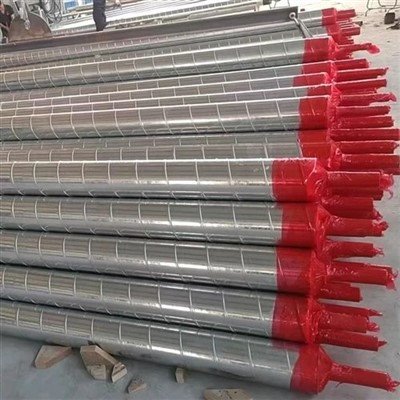
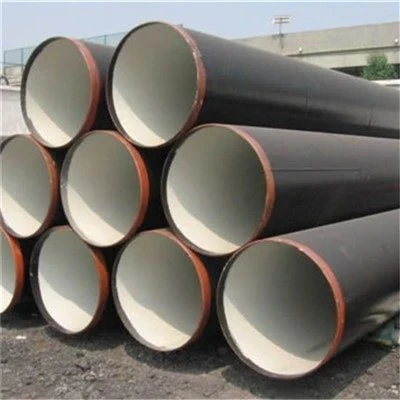
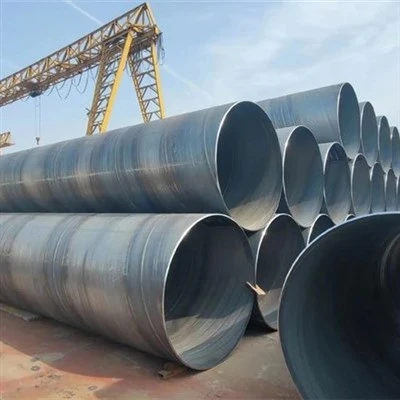
Spiral steel pipe, a common welded steel pipe, is widely used in a variety of environments due to its high strength, pressure resistance, and flexible manufacturing process. Its unique spiral forming process allows it to adapt to varying diameters and wall thicknesses, making it a key material in the petroleum, chemical, construction, and water conservancy sectors.
In the oil and gas transportation sector, spiral steel pipe is a top choice due to its excellent corrosion resistance and pressure-bearing capacity. Long-distance oil and gas pipelines often withstand high pressure and complex geological conditions. Spiral steel pipe, through internal and external anti-corrosion treatments (such as 3PE and epoxy powder coating), effectively resists soil corrosion and chemical attack, ensuring long-term stable operation. Furthermore, its large diameter is suitable for high-flow transmission, meeting industrial-grade transportation requirements.
In water conservancy projects and municipal construction, spiral steel pipe is commonly used in water supply networks, drainage systems, and sewage treatment facilities. Its excellent sealing and pressure resistance enable it to withstand groundwater pressure and sewage corrosion. Especially in large-scale water transmission projects, the welding process of spiral steel pipe ensures the overall strength of the pipeline and reduces the risk of leakage. Spiral steel pipe is also used as support structures or drainage pipes in infrastructure construction, such as bridges and tunnels, adapting to humid, high-load environments.
The construction industry also relies on spiral steel pipe, particularly in steel structures and scaffolding. Its high strength and weldability make it an ideal material for load-bearing structures, while galvanizing or painting enhances its weather resistance, allowing it to withstand harsh outdoor conditions. Furthermore, in marine engineering and shipbuilding, spiral steel pipe undergoes special anti-corrosion treatment to resist seawater corrosion and is used in submarine pipelines or ship hull structures.
However, the applicability of spiral steel pipe is also limited by the environment. Extremely corrosive environments, such as those with strong acids and alkalis, require higher-standard alloys or enhanced anti-corrosion measures. In seismic zones or permafrost regions, thermal expansion and contraction, as well as seismic design, must also be considered.
In short, spiral steel pipe, due to its adaptability, performs well in most common and some harsh environments. However, specific applications still require the selection of appropriate materials and protective treatments based on environmental conditions to ensure long-term reliable performance.