In industries like oil, gas, chemicals, and power, pipelines carry the heavy responsibility of transporting media, much like blood vessels. However, these pipes are susceptible to corrosion due to long-term exposure to moisture, corrosive chemicals, or extreme temperatures. This not only shortens their service life but can also lead to safety incidents such as leaks and explosions. The emergence of corrosion-resistant steel pipe addresses this problem. Through a specialized process, a protective layer is formed on the steel pipe surface, acting like a protective shield, significantly extending the pipe's lifespan and ensuring safe system operation.
1. The Essence of Corrosion-Resistant Steel Pipe: A Composite of Steel Pipe and Protective Layer
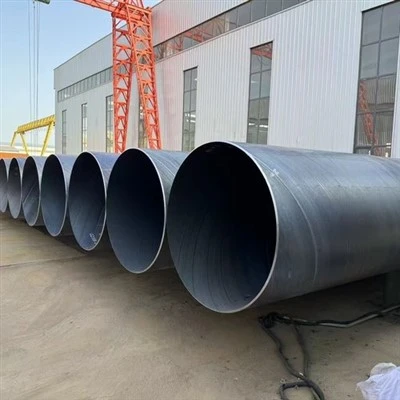
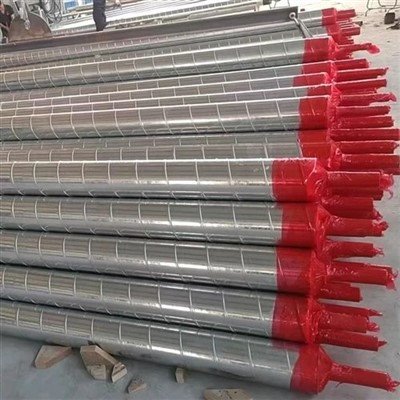
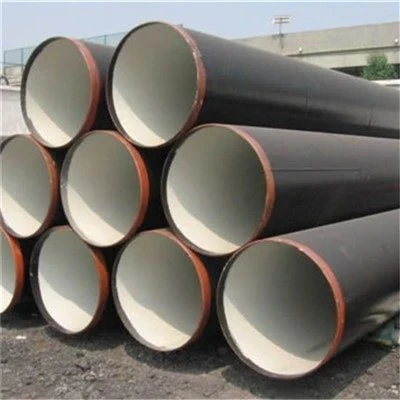
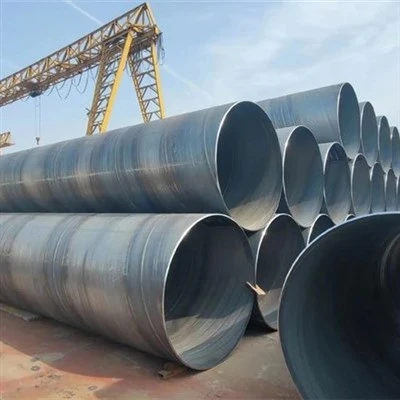
At its core, corrosion-resistant steel pipe is still a conventional steel pipe (such as seamless, spirally welded, or straight-seam welded), but it differs in that a corrosion-resistant material is applied to the inner and outer surfaces of the pipe. These protective layers can be categorized into three categories based on the material and process used: coating, lining, and electrochemical corrosion protection. Coating is the most widely used of these technologies.
Common coating materials include epoxy powder coating (FBE), three-layer polyethylene (3PE), polyethylene adhesive tape, and polyurethane. Taking 3PE as an example, it consists of a base layer of epoxy powder (providing strong adhesion to the steel pipe and chemical resistance), a middle layer of adhesive (connecting the epoxy layer to the outer polyethylene layer), and an outer layer of polyethylene (resistance to mechanical damage and UV rays). This three-layer structure works synergistically to resist corrosion from soil and seawater, while also withstanding physical impact when buried or overhead.
2. The "Protection Logic" of Anti-Corrosion Steel Pipe: Three Elements for Corrosion Prevention
Metal corrosion is essentially an electrochemical reaction. When steel pipes come into contact with water, oxygen, and electrolytes (such as salt in soil), a galvanic cell forms, causing iron atoms to lose electrons and oxidize (forming rust). Corrosion-resistant steel pipes block this process through the following methods:
Physical isolation: Coatings or lining materials (such as polyethylene or ceramic) completely isolate the steel pipe from the corrosive medium, preventing direct contact.
Chemical passivation: Certain coatings (such as epoxy powder) react with the steel pipe surface to form a dense passivation film, inhibiting electron transfer.
Electrochemical protection: Impressed current cathodic protection (ICCP) technology (often used in conjunction with coatings) applies a reverse current to the steel pipe, turning it into a cathode, thereby preventing it from corroding as an anode.
For buried oil and gas pipelines, for example, a 3PE coating resists the penetration of moisture and salt from the soil, while a cathodic protection system provides a further layer of protection, slowing the corrosion process even if the coating is partially damaged.
3. The Capability Map of Corrosion-Resistant Steel Pipes: Adapting to Different Scenarios
Corrosion protection requirements vary significantly across different industrial scenarios, resulting in a variety of corrosion-resistant steel pipe types designed to address specific environmental challenges:
For buried pipelines: 3PE or epoxy coal tar coatings are preferred. The former is resistant to soil stress and plant root penetration, making it suitable for natural gas and refined oil transportation; the latter is low-cost and moisture-resistant, making it commonly used in water supply and drainage networks.
Marine environments: Experiencing high salt spray, strong UV rays, and seawater immersion, epoxy powder + polyurethane outer sheath or titanium nano-coated steel pipe is more suitable, with a salt spray resistance lifespan of over 20 years.
High-temperature and high-pressure environments: For thermal power networks or chemical reaction pipelines, ceramic coatings or high-temperature epoxy coatings (capable of withstanding temperatures exceeding 300°C) are recommended, providing both corrosion resistance and thermal deformation resistance.
Special media: When transporting acidic and alkaline solutions (such as sulfuric acid and lye), polytetrafluoroethylene (PTFE)-lined steel pipe is required. Its chemical inertness makes it resistant to nearly all highly corrosive liquids.
4. The Value of Anti-corrosion Steel Pipes: A Double Guarantee of Economy and Safety
The economic benefits of using anti-corrosion steel pipes are significant. Ordinary steel pipes may need to be replaced every 3-5 years in corrosive environments, while high-quality anti-corrosion steel pipes can last 20-50 years (for example, 3PE anti-corrosion buried pipelines are typically designed for a 50-year lifespan). For example, a natural gas pipeline explosion caused by corrosion and leakage can result in direct economic losses of hundreds of millions of yuan. However, the investment in anti-corrosion steel pipes accounts for only 5%-15% of the total pipeline cost, yet can reduce the risk of an accident by over 90%.
In addition, anti-corrosion steel pipes promote green and low-carbon development. Corrosion reduces pipeline efficiency (for example, scaling increases resistance), while anti-corrosion treatment maintains a smooth inner pipe surface, reducing energy loss. Extending the service life reduces the environmental impact of discarded steel pipes.
Conclusion: The "Invisible Guardian" Protecting the Lifeline of Industry
From the vast West-East Gas Pipeline network to the transmission lines of coastal chemical plants, from urban underground water supply systems to the energy pipelines of polar research stations, anti-corrosion steel pipes silently safeguard the safety and efficiency of modern industry. With advances in materials science and anti-corrosion technology (such as the development of nano-coatings and intelligent monitoring anti-corrosion layers), future anti-corrosion steel pipes will be even smarter and more durable, continuing to serve as a solid foundation for protection in the global energy and infrastructure sectors.