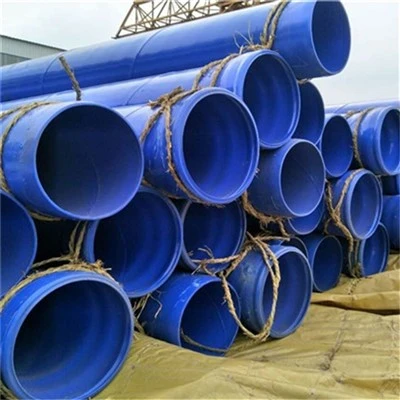
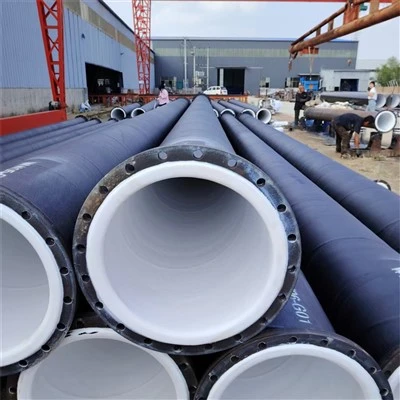
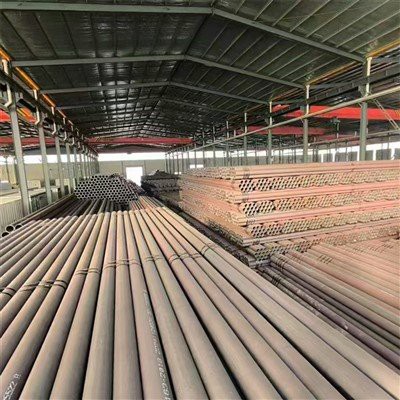
Anti-corrosion steel pipe is widely used in the petroleum, chemical, and natural gas industries. Its core principle is to prevent corrosion and extend its service life through specialized processes. The application method primarily involves three key steps: surface treatment, coating application, and inspection.
1. Surface Treatment
The first step in applying anti-corrosion steel pipe is to thoroughly clean the surface to remove rust, oil, and oxide layers. Common methods include sandblasting (Sa2.5 or higher) or chemical pickling to ensure a certain surface roughness to enhance coating adhesion. Anti-corrosion treatment should be applied within 4 hours of treatment to prevent secondary oxidation.

2. Coating Application
A variety of coating methods are available for anti-corrosion steel pipe, including epoxy coal tar, 3PE (three-layer polyethylene), and FBE (fusion bonded epoxy powder).
Epoxy coal tar: Applied by brush or spray, it consists of two coats: primer and topcoat, with a total thickness of ≥ 0.6mm. Curing is required in a humid environment for 24 hours. 3PE Anticorrosion: Using a winding process, fusion-bonded epoxy powder is first applied (base layer), followed by adhesive and polyethylene (outer layer), with a total thickness of ≥ 2.5mm. Suitable for buried pipelines.
FBE Anticorrosion: Epoxy powder is directly electrostatically sprayed, melting at high temperatures to form a dense coating. The thickness is typically 400-1000μm, with excellent high-temperature resistance.
3. Quality Inspection
After completion, rigorous inspections are required, including visual inspection (for bubbles and cracks), thickness measurement (to ensure compliance with design standards), spark detection (to ensure there are no leaks), and adhesion testing. Unqualified areas must be promptly repaired to ensure effective anticorrosion.
Precautions: Wear protective equipment during operation to avoid contact between the paint and skin. The ambient temperature should be between 5°C and 40°C, and the humidity below 85%. Proper operation can significantly improve the corrosion resistance of steel pipes, ensuring project safety and longevity.