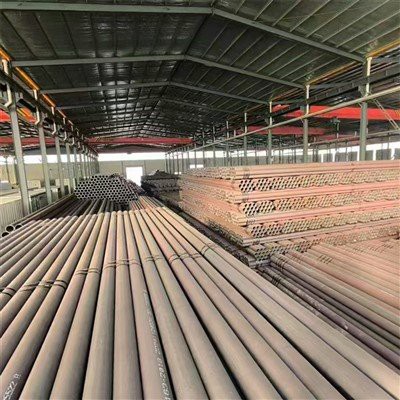
Anti-corrosion steel pipes, as a vital material in modern industry and infrastructure construction, are widely used in the oil, gas, chemical, and water supply sectors. However, steel pipes are susceptible to corrosion over long periods of use, leading to pipeline failure, leakage, and even accidents. Therefore, adopting scientific and effective anti-corrosion solutions is crucial.
1. Anti-corrosion Coating Technology
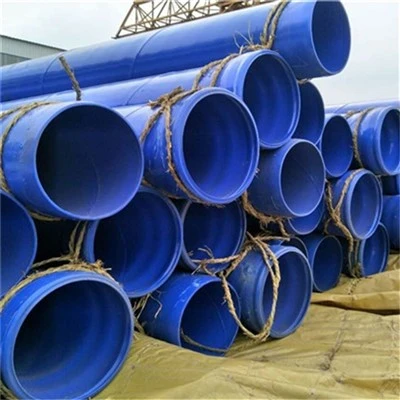
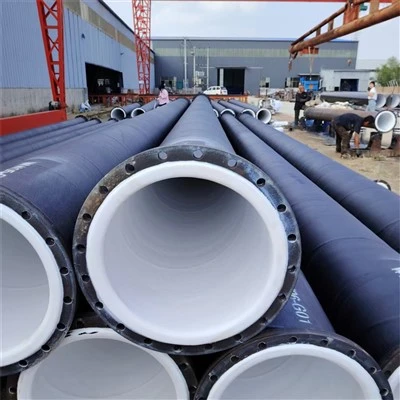
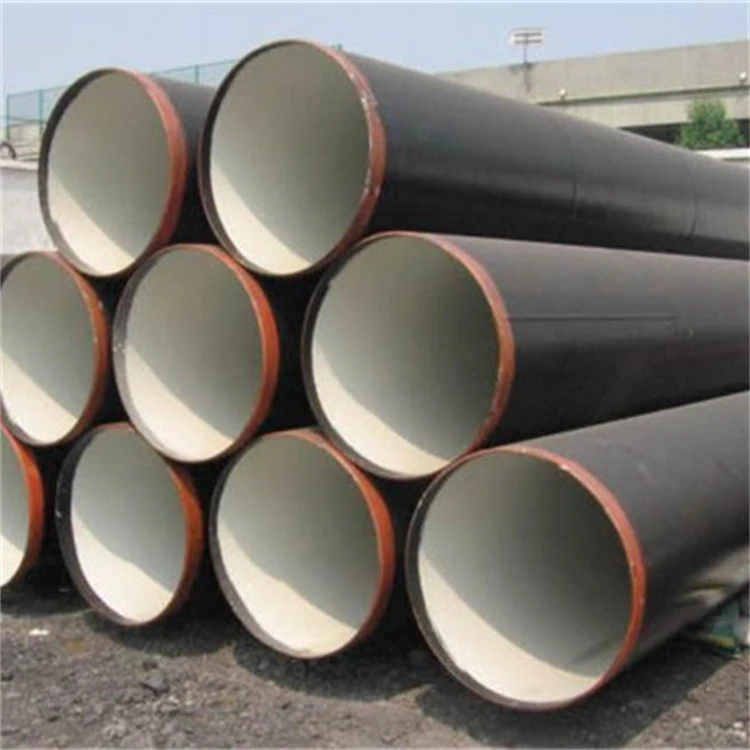
One of the core protective measures for anti-corrosion steel pipes is coating technology. Common anti-corrosion coatings include epoxy powder coatings, polyethylene (PE) coatings, and three-layer polyethylene (3PE) composite coatings. These coatings effectively prevent moisture, oxygen, and corrosive media from contacting the steel pipe through physical isolation and chemical passivation. 3PE coatings, due to their excellent chemical resistance, mechanical strength, and long-term weathering resistance, are the preferred solution for long-distance pipelines.
2. Cathodic Protection Technology
Cathodic protection is another important anti-corrosion method, applicable to buried or underwater pipelines. This technology uses an impressed current or sacrificial anodes (such as magnesium or zinc alloys) to make the steel pipe act as a cathode, thereby inhibiting electrochemical corrosion. The sacrificial anode method is suitable for small pipeline systems, while the forced current method is more suitable for long-distance, highly corrosive environments.
3. Material Upgrading and Alloying
Using corrosion-resistant alloy steels (such as stainless steel and nickel-based alloys) or steel pipes with alloying elements (such as chromium and molybdenum) can significantly improve the material's corrosion resistance. Although more expensive, alloy steel pipes are a reliable choice in extremely corrosive environments (such as high salt concentrations, high temperatures, or acidic media).
4. Maintenance and Monitoring
The long-term effectiveness of corrosion-resistant steel pipes depends on regular inspection and maintenance. Intelligent monitoring systems (such as corrosion probes and potential monitors) can assess pipeline status in real time, promptly identifying corrosion risks and implementing remedial measures.
In summary, solutions for corrosion-resistant steel pipes require a combination of coating protection, cathodic protection, material optimization, and intelligent monitoring to ensure safe and efficient operation of pipeline systems, reduce maintenance costs, and extend service life.