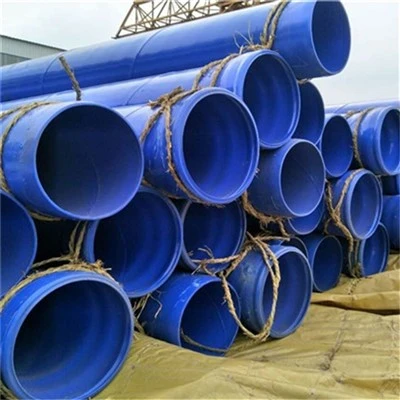
In modern construction, machinery manufacturing, and infrastructure, foundation steel pipe, with its unique performance advantages, has become an indispensable core material. From high-rise building frames to load-bearing bridge structures, from industrial piping to mechanical components, foundation steel pipe, with its high strength, durability, and versatility, provides stable and reliable support for a wide range of projects.
1. High Strength and Load-bearing Capacity
Foundation steel pipe is typically made of high-quality steel, precision-machined and heat-treated to achieve exceptionally high tensile and compressive strength. Whether bearing the vertical loads of buildings or resisting the lateral stresses of structures like bridges and towers, steel pipe demonstrates exceptional stability. Compared to other materials, such as concrete or ordinary steel, steel pipe has a higher load-bearing capacity per unit weight, reducing the weight of the structure while ensuring safety.
2. Corrosion Resistance and Long Life
Modern foundation steel pipe is often treated with galvanizing, nickel plating, or internal and external coatings to effectively resist corrosion from harsh environments such as moisture, acids, and alkalis. Especially in highly corrosive environments such as marine engineering and chemical pipelines, corrosion-resistant steel pipes significantly extend their service life, reducing maintenance costs associated with frequent replacements. Furthermore, process optimizations for seamless and welded steel pipes have further enhanced the material's overall durability, making it an ideal choice for long-term projects.
3. Flexible and Diverse Applications
Basic steel pipes offer a wide range of specifications and models to meet diverse project needs. From tiny precision instrument pipes to large oil pipelines measuring several meters in diameter, steel pipes offer customized solutions. In the construction sector, they are used in frame structures, scaffolding, and support columns. In machinery manufacturing, they serve as the foundation for key components such as hydraulic systems and drive shafts. In the energy industry, steel pipes are the core carrier for oil, gas, and thermal pipelines. This flexibility makes steel pipe one of the most widely used materials across industries.
4. Economical and Easily Installable
Although steel prices are subject to market fluctuations, steel pipe's high strength and low maintenance make it a competitive advantage in terms of overall long-term costs. Furthermore, the modular design of steel pipes facilitates transportation and on-site installation, and a variety of connection methods, such as welding and threading, further enhance construction efficiency. Steel pipe's rapid deployment capabilities are irreplaceable in emergency projects or temporary facility construction.
Conclusion
Basic steel pipe is not only the "backbone" of modern industry but also a key material driving infrastructure construction and technological development. Its advantages, such as high strength, corrosion resistance, versatility, and affordability, will ensure its continued centrality in future engineering applications. Whether in traditional construction or emerging sectors, basic steel pipe will continue to provide reliable performance, supporting a safer and more efficient modern society.