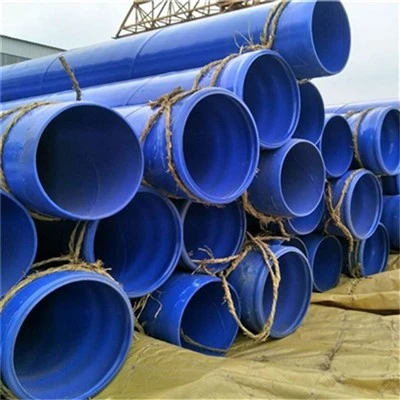
Pipe end details are easy to ignore when people only focus on pipe diameter. In fact, the pipe end can decide how fast the site team can install the line. A plain end may be suitable for welding or for later processing. A beveled end saves time when field welding is planned. A grooved end is often used with a clamp, so groove depth and width must match the coupling.
A threaded end is common for small sizes, but the thread should be protected during transport. For coated pipe, the end area needs more attention because cutting or threading may expose the steel. Repair coating or end sealing may be needed after processing. When an order is placed, the drawing should show the end type, length tolerance, and whether end caps are required. These details are not decorative. They help reduce delays, avoid wrong fittings, and keep the installation work closer to the planned schedule.