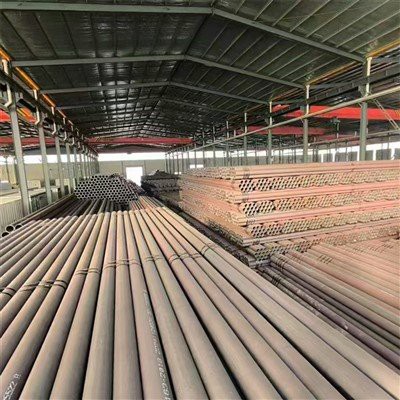
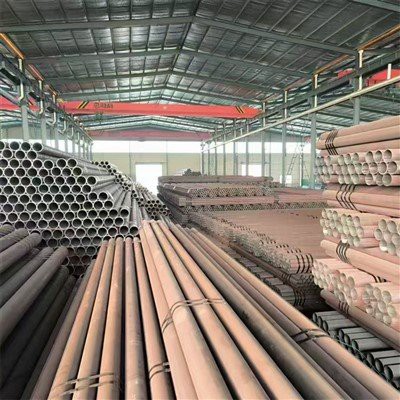
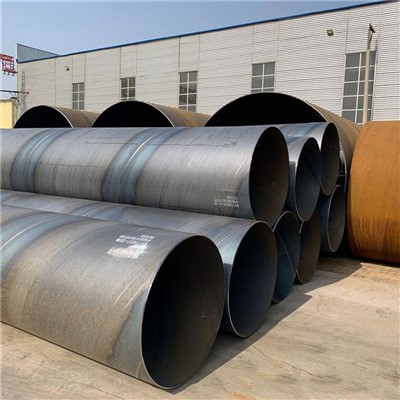
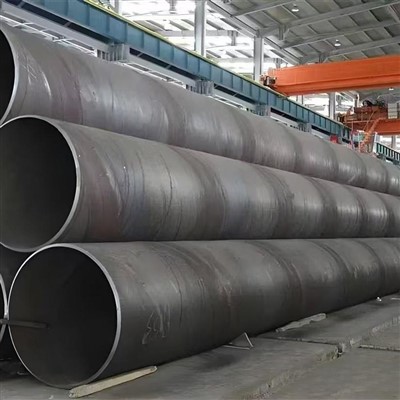
As a crucial component of modern piping systems, plastic-coated steel pipes are widely used in various fields both domestically and internationally due to their excellent corrosion resistance and durability. This type of pipe utilizes a special process to combine a plastic coating with a steel pipe base, creating a composite pipe that combines the strength of metal with the protective properties of plastic. Its working principle deserves further exploration.
Structurally, the core of plastic-coated steel pipe is a pre-treated steel pipe base. After undergoing surface treatments such as rust removal and phosphating, a plastic coating is evenly applied via electrostatic spraying or hot-dip coating. Common coating materials include polymers such as polyethylene (PE) and epoxy resin (EP), which offer exceptional chemical stability and corrosion resistance. When the pipe is conveying fluid, the plastic coating comes into direct contact with the medium, effectively preventing corrosive elements such as water, oxygen, and acids and alkalis from coming into contact with the steel pipe base, fundamentally addressing the corrosion problem associated with traditional steel pipes.
In terms of pressure-bearing performance, plastic-coated steel pipes maintain the inherent high strength of steel pipes. The plastic coating typically has a thickness of 0.5-3 mm. While thin, it's sufficient to form a protective barrier, while the steel pipe base provides primary structural support. This composite structure allows the pipe to withstand high operating pressures while retaining the corrosion resistance of plastic. Experimental data shows that high-quality plastic-coated steel pipe can achieve corrosion resistance of over 50 years, particularly when buried underground or in humid environments.
The operating principle of plastic-coated steel pipe is also reflected in its temperature adaptability. Epoxy resin coatings are suitable for conveying ambient temperature media, typically with a temperature range of -30°C to 120°C. Polyethylene coatings can withstand lower temperatures and are widely used in cold northern regions. Plastic-coated steel pipes, produced using a special process, can also withstand short-term high-temperature shocks, meeting the complex operating conditions of industrial pipelines.
From an application perspective, the operating principle of plastic-coated steel pipe makes it particularly suitable for water supply and drainage systems, fire protection pipelines, and chemical fluid transportation. In water supply systems, the plastic coating effectively inhibits bacterial growth; in the chemical industry, its chemical resistance ensures the long-term and stable operation of the pipeline system. With the development of global infrastructure construction, this functional and economical pipeline solution is gaining more and more recognition in the international market.