


Hey there! As a supplier of Plastic Coated Steel Pipe for Mining, I often get asked about the thermal expansion coefficient of these pipes. It's a pretty important topic, especially when it comes to ensuring the long - term performance and safety of mining operations. So, let's dive right in and explore what this thermal expansion coefficient is all about.
What is Thermal Expansion?
First off, we need to understand thermal expansion. Simply put, most materials expand when they're heated and contract when they cool down. This is due to the fact that as the temperature rises, the atoms or molecules in the material start to move more vigorously and take up more space.
For plastic coated steel pipes used in mining, this expansion and contraction can have a significant impact. In a mining environment, temperatures can vary widely. You might have pipes exposed to the intense heat from machinery or the cold underground temperatures. If the pipes aren't designed to handle these temperature changes, it could lead to all sorts of problems like leaks, pipe breakage, or reduced efficiency.
The Thermal Expansion Coefficient
The thermal expansion coefficient is a measure of how much a material expands or contracts per unit length for a given change in temperature. It's usually denoted by the Greek letter alpha (α) and is expressed in units of per degree Celsius (°C⁻¹) or per degree Fahrenheit (°F⁻¹).
When it comes to plastic coated steel pipes for mining, we're dealing with a composite material. The steel core and the plastic coating each have their own thermal expansion coefficients, and the overall behavior of the pipe depends on how these two materials interact.
Steel typically has a relatively low thermal expansion coefficient. For common carbon steels, the thermal expansion coefficient is around 11 - 13 × 10⁻⁶ °C⁻¹. This means that for every degree Celsius increase in temperature, a steel pipe will expand by about 11 - 13 millionths of its original length.
On the other hand, plastics generally have a much higher thermal expansion coefficient. Different types of plastics can have coefficients ranging from 50 - 200 × 10⁻⁶ °C⁻¹. For example, polyethylene, which is a commonly used plastic for coating steel pipes, has a thermal expansion coefficient of around 100 - 200 × 10⁻⁶ °C⁻¹.
Why the Difference Matters
The difference in the thermal expansion coefficients between steel and plastic can cause some challenges. When the temperature changes, the plastic coating will expand or contract at a much faster rate than the steel core. If not properly managed, this can lead to issues such as delamination of the plastic coating from the steel pipe.
Imagine a plastic coated steel pipe in a mining operation where the temperature suddenly rises. The plastic coating will expand more than the steel core. This can create internal stresses within the pipe. If these stresses are too high, the coating might start to peel off from the steel, exposing the steel to corrosion and other environmental factors.

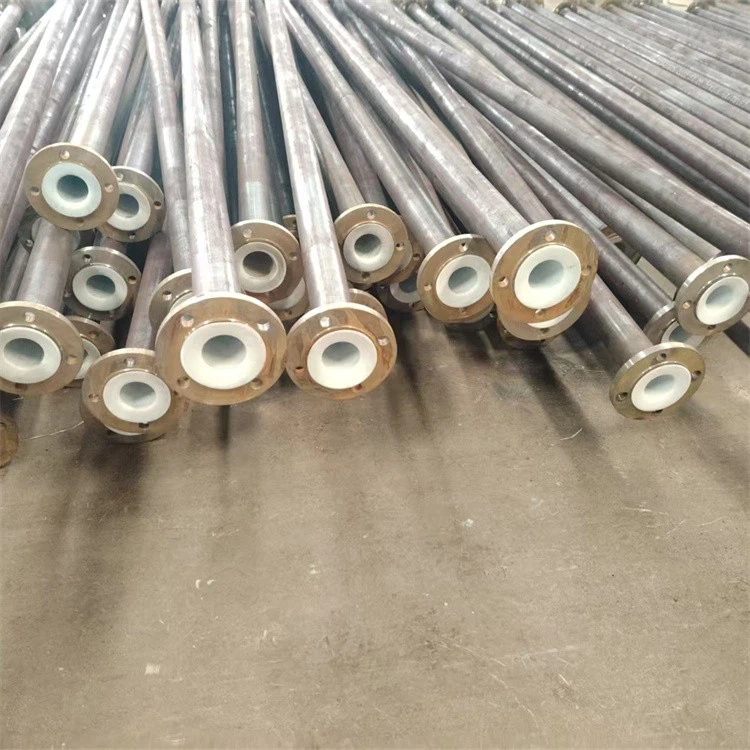
To address this issue, manufacturers of plastic coated steel pipes for mining use special techniques. One common approach is to use an adhesive layer between the steel and the plastic. This adhesive helps to bond the two materials together and allows them to expand and contract in a more coordinated way. Another method is to design the pipe with a certain amount of flexibility to accommodate the differential expansion.
Importance in Mining Applications
In mining, the reliability of pipes is crucial. Plastic coated steel pipes are often used for transporting various fluids such as water, slurries, and chemicals. Any failure in the pipes can lead to costly downtime, environmental hazards, and safety risks.
The thermal expansion coefficient plays a vital role in ensuring that the pipes can withstand the temperature variations in the mining environment. For example, in a deep - mine where the temperature is relatively stable but can be quite cold, the pipes need to be able to contract without cracking or losing their integrity. In a surface mine, where the pipes are exposed to the sun and can get very hot during the day, they need to expand without causing damage to the coating or the pipe structure.
Other Considerations
Apart from the thermal expansion coefficient, there are other factors that can affect the performance of plastic coated steel pipes for mining. The quality of the plastic coating, the thickness of the coating, and the type of steel used all play important roles.
A high - quality plastic coating will have better resistance to abrasion, corrosion, and chemical attack. It should also be able to maintain its adhesion to the steel pipe under different temperature conditions. The thickness of the coating can also impact the thermal behavior of the pipe. A thicker coating might have a greater effect on the overall expansion and contraction of the pipe.
The type of steel used in the core is also important. Different grades of steel have different mechanical properties and corrosion resistance. For mining applications, where the pipes are often exposed to harsh environments, a high - strength and corrosion - resistant steel is usually preferred.
Conclusion
In conclusion, understanding the thermal expansion coefficient of plastic coated steel pipes for mining is essential for ensuring their proper performance and longevity. The difference in the thermal expansion coefficients between the steel core and the plastic coating requires careful design and manufacturing to prevent issues such as delamination and pipe failure.
If you're in the mining industry and are looking for reliable plastic coated steel pipes, we're here to help. We offer high - quality Plastic Coated Steel Pipe for Mining that are designed to withstand the challenging conditions of mining operations. We also have Plastic Coated Steel Pipe for Water Supply and Plastic Lined Steel Pipe for other related applications.
If you're interested in learning more or want to discuss your specific requirements, don't hesitate to reach out. We're always happy to have a chat and find the best solutions for your needs.
References
- "Materials Science and Engineering: An Introduction" by William D. Callister Jr. and David G. Rethwisch
- Technical literature from leading plastic coated steel pipe manufacturers


