


Hey there! As a supplier of Plastic Lined Steel Pipe, I often get asked about the temperature range these pipes can handle. It's a crucial question, especially when you're looking to use these pipes in different applications. So, let's dive right into it.
Understanding Plastic Lined Steel Pipes
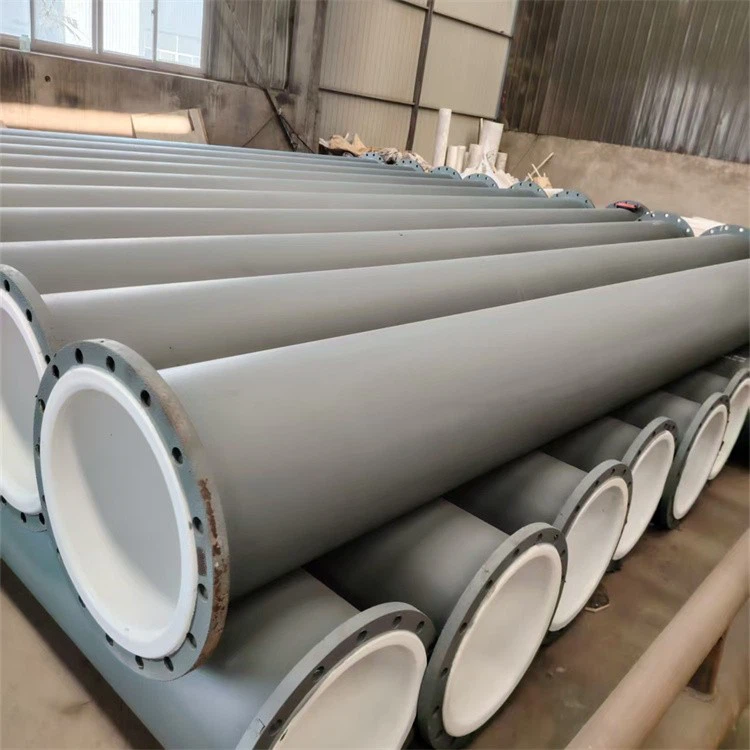
First off, let me give you a quick rundown on what Plastic Lined Steel Pipe is. It's a type of pipe that combines the strength of steel with the corrosion - resistant properties of plastic. The plastic lining acts as a barrier between the steel and the fluid or gas flowing through the pipe, preventing corrosion and extending the pipe's lifespan. You can learn more about them here.
Factors Affecting Temperature Range
The temperature range for plastic lined steel pipes isn't a one - size - fits - all deal. There are several factors that come into play.
Type of Plastic Lining
Different plastics have different temperature tolerances. For example, polyethylene (PE) is a common plastic used for lining. It can generally handle temperatures from - 40°F to 140°F (- 40°C to 60°C). This makes it a great choice for applications where the temperature doesn't get too extreme. On the other hand, polyvinyl chloride (PVC) has a temperature range of about 32°F to 140°F (0°C to 60°C). PVC is more brittle at lower temperatures, so it's not ideal for cold environments.
Application and Fluid/Gas
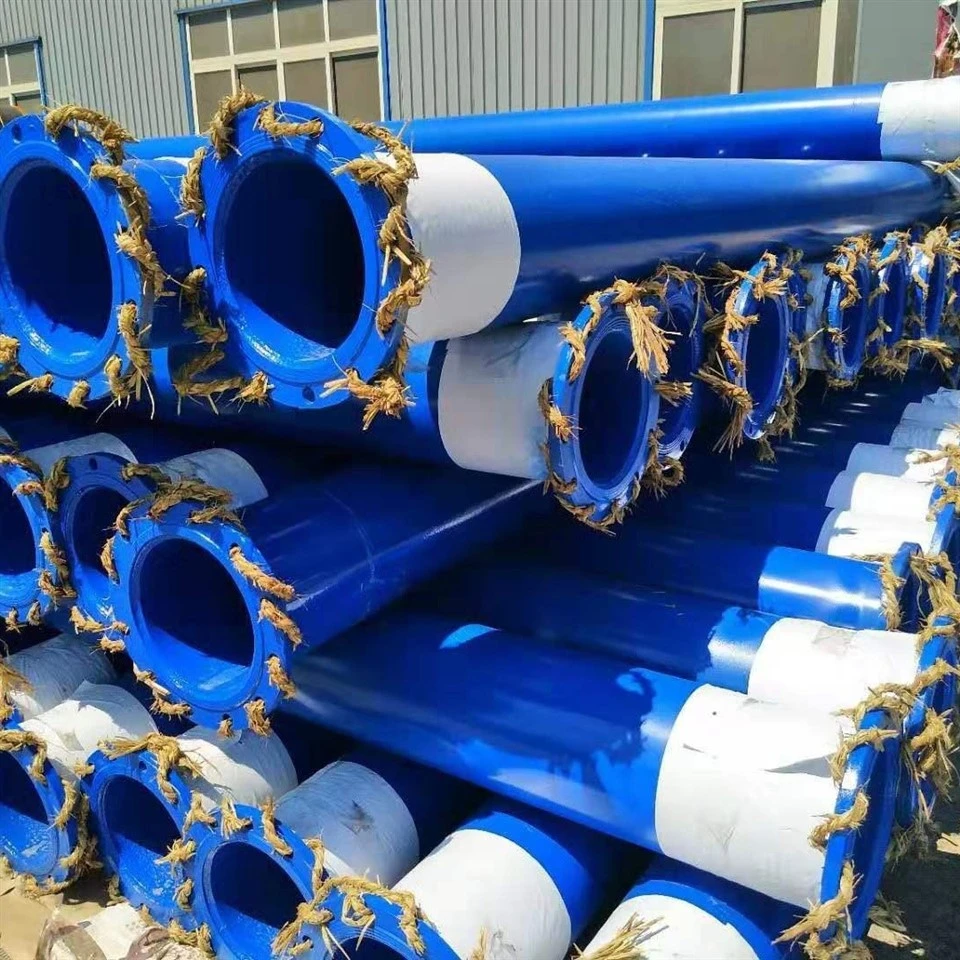
The nature of what's flowing through the pipe also matters. If you're using the pipe for water supply, the temperature range might be different compared to using it in a mining application. For Plastic Coated Steel Pipe for Water Supply, the water temperature usually isn't extremely high or low. But in mining, you might have to deal with hot slurries or cold underground conditions. Plastic Coated Steel Pipe for Mining needs to be able to withstand these more challenging temperature variations.
External Conditions
The environment where the pipe is installed can impact its temperature range. If the pipe is exposed to direct sunlight for long periods, it can heat up. Similarly, if it's in a cold climate or underground where the temperature is low, the plastic lining's performance can be affected.
Common Temperature Ranges for Different Applications
Residential Water Supply
In a typical residential water supply system, the water temperature usually ranges from around 40°F to 120°F (4°C to 49°C). Plastic lined steel pipes with a polyethylene lining are well - suited for this application. They can handle the normal temperature fluctuations of the water and also resist corrosion from the water's minerals.
Industrial Water Systems
Industrial water systems can have a wider temperature range. Some processes might require hot water at temperatures up to 180°F (82°C). In these cases, a more heat - resistant plastic lining like polypropylene (PP) might be a better choice. PP can handle temperatures up to about 212°F (100°C) in some cases.
Chemical Processing
Chemical processing plants often deal with extreme temperatures. Depending on the chemicals being processed, the temperature can range from very cold to extremely hot. For example, some solvents might need to be kept at low temperatures to prevent evaporation. In these cases, a plastic lining that can withstand cold temperatures is essential. On the other hand, some chemical reactions might generate a lot of heat, so the lining needs to be heat - resistant.
Mining
Mining operations can expose pipes to a wide range of temperatures. Underground mines can be cold, especially in deep shafts. At the same time, some mining processes involve hot slurries or steam. Plastic lined steel pipes used in mining need to be able to handle these temperature variations without losing their integrity.
Testing and Quality Assurance
At our company, we take temperature range seriously. We conduct rigorous testing on our plastic lined steel pipes to ensure they can perform within the specified temperature ranges. We use advanced testing equipment to simulate different temperature conditions and check the performance of the pipes. This includes testing for factors like expansion, contraction, and the integrity of the plastic - steel bond at different temperatures.
Choosing the Right Pipe for Your Temperature Needs
When you're looking to buy plastic lined steel pipes, it's important to consider the temperature range of your application. Here are some tips:
- Know your temperature requirements: Figure out the minimum and maximum temperatures the pipe will be exposed to. This will help you choose the right plastic lining.
- Consult with experts: If you're not sure which type of plastic lining is best for your application, don't hesitate to reach out to us. We have a team of experts who can guide you through the selection process.
- Consider the long - term: Think about any potential changes in temperature in the future. For example, if your industrial process might be upgraded to handle higher temperatures, it's better to choose a pipe with a higher temperature tolerance from the start.
Why Choose Our Plastic Lined Steel Pipes
We're proud to offer high - quality plastic lined steel pipes that are designed to meet a wide range of temperature requirements. Our pipes are made with the best materials and undergo strict quality control. Whether you need a pipe for a residential water supply, an industrial application, or a mining project, we have the right solution for you.
If you're interested in purchasing plastic lined steel pipes, or if you have any questions about temperature ranges or other aspects of our products, don't hesitate to get in touch. We're here to help you find the perfect pipe for your needs. Let's start a conversation and see how we can work together to solve your piping challenges.
References
- "Handbook of Plastic Pipe Engineering"
- "Corrosion Resistance of Plastic Lined Pipes"
- Industry reports on plastic lined steel pipe applications


