


In the vast expanse of the marine environment, the demand for reliable and long - lasting infrastructure is paramount. Epoxy resin anti - corrosion steel pipes have emerged as a crucial solution for various marine applications, from offshore oil and gas platforms to coastal water supply systems. As a supplier of Epoxy Resin Anti - corrosion Steel Pipe, I am often asked about the service life of these pipes in the challenging marine environment. In this blog, I will delve into the factors that influence the service life of epoxy resin anti - corrosion steel pipes and provide insights based on scientific research and practical experience.
Understanding the Marine Environment
The marine environment is a harsh and complex ecosystem characterized by high salinity, oxygen, temperature variations, and the presence of various microorganisms. Saltwater, in particular, is highly corrosive due to the presence of chloride ions, which can penetrate the protective layers of steel pipes and cause corrosion. Additionally, the constant movement of water, waves, and tides can subject the pipes to mechanical stress, further accelerating the degradation process.
Epoxy Resin Anti - corrosion Coatings
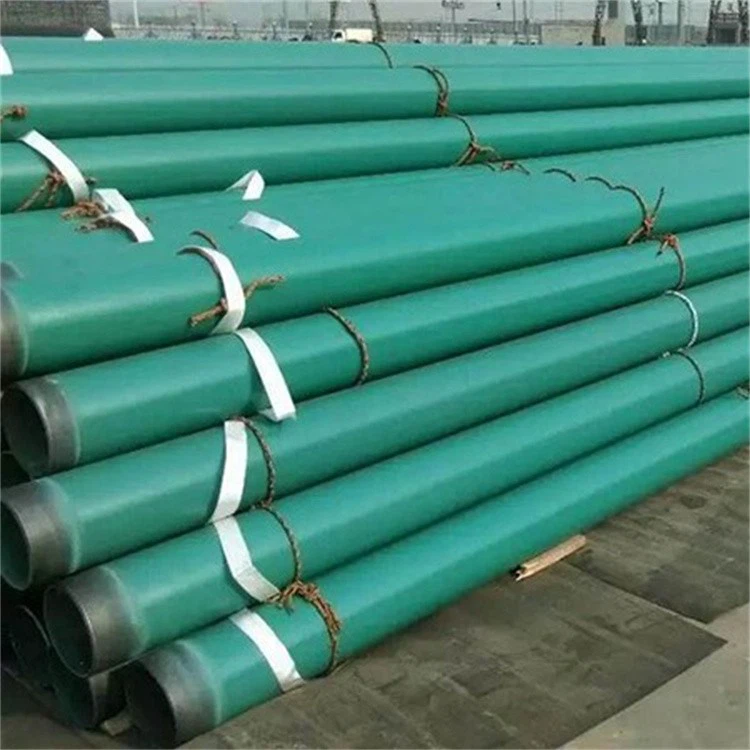
Epoxy resin is a popular choice for anti - corrosion coatings on steel pipes due to its excellent adhesion, chemical resistance, and mechanical properties. There are different types of epoxy resin anti - corrosion steel pipes available in the market, such as FBE Anti - corrosion Steel Pipe, 3PE Anti - corrosion Steel Pipe, and Epoxy Powder Anti - corrosion Steel Pipe.
Fusion - Bonded Epoxy (FBE)
FBE is a thermosetting polymer coating that is applied to the steel pipe surface in a powder form and then fused to the pipe through a heating process. FBE coatings provide excellent corrosion protection and are resistant to abrasion and impact. They form a strong bond with the steel surface, preventing the penetration of moisture and corrosive agents.
Three - Layer Polyethylene (3PE)
3PE coatings consist of a fusion - bonded epoxy primer, an adhesive layer, and a polyethylene topcoat. This multi - layer system combines the excellent adhesion and corrosion resistance of epoxy resin with the mechanical strength and moisture resistance of polyethylene. 3PE coatings are widely used in offshore and onshore pipeline projects due to their long - term durability.
Epoxy Powder
Epoxy powder coatings are similar to FBE coatings but may have different formulations and application methods. They offer good corrosion protection and can be customized to meet specific requirements, such as high - temperature resistance or enhanced chemical resistance.
Factors Affecting the Service Life
The service life of epoxy resin anti - corrosion steel pipes in the marine environment is influenced by several factors:
Coating Quality
The quality of the epoxy resin coating is crucial for long - term corrosion protection. A well - applied coating with proper thickness, adhesion, and uniformity can significantly extend the service life of the pipe. Any defects in the coating, such as pinholes, cracks, or poor adhesion, can provide pathways for corrosive agents to reach the steel surface.

Steel Quality
The quality of the base steel also plays a role in the service life of the pipe. High - quality steel with low impurity levels and good mechanical properties is more resistant to corrosion. Additionally, proper heat treatment and manufacturing processes can enhance the steel's resistance to environmental stress.
Environmental Conditions
The specific environmental conditions in the marine area where the pipes are installed have a significant impact on their service life. Factors such as water temperature, salinity, pH level, and the presence of pollutants can affect the corrosion rate. For example, warmer water temperatures generally increase the corrosion rate, while high - salinity water can accelerate the breakdown of the coating.
Mechanical Stress
Pipes in the marine environment are often subjected to mechanical stress, such as wave action, seismic activity, and soil movement. Excessive mechanical stress can cause the coating to crack or peel, exposing the steel surface to corrosion. Therefore, proper installation and support of the pipes are essential to minimize mechanical stress.
Maintenance and Inspection
Regular maintenance and inspection of the pipes can help detect and address any potential issues before they become serious. This includes visual inspections, non - destructive testing, and monitoring of corrosion rates. Timely repairs and recoating can extend the service life of the pipes.
Estimating the Service Life
Estimating the service life of epoxy resin anti - corrosion steel pipes in the marine environment is a complex task that requires considering all the factors mentioned above. In general, well - designed and properly installed epoxy resin anti - corrosion steel pipes can have a service life of 20 - 50 years or more in the marine environment.
However, it is important to note that these estimates are based on ideal conditions and may vary depending on the specific application and environmental factors. For example, pipes in highly corrosive areas or those subjected to extreme mechanical stress may have a shorter service life.
Case Studies
Several case studies have demonstrated the long - term performance of epoxy resin anti - corrosion steel pipes in the marine environment. In an offshore oil and gas project, 3PE - coated steel pipes were installed in a highly corrosive saltwater environment. After 20 years of operation, the pipes showed minimal signs of corrosion, and the coating remained intact.
In another coastal water supply project, FBE - coated steel pipes were used to transport seawater. Regular inspections over a 15 - year period revealed that the pipes were in good condition, with only minor surface damage to the coating in some areas.
Conclusion
Epoxy resin anti - corrosion steel pipes offer a reliable and long - lasting solution for various marine applications. The service life of these pipes depends on multiple factors, including coating quality, steel quality, environmental conditions, mechanical stress, and maintenance. By carefully considering these factors and following best practices in design, installation, and maintenance, it is possible to achieve a service life of 20 - 50 years or more in the marine environment.
If you are interested in purchasing epoxy resin anti - corrosion steel pipes for your marine project, I encourage you to contact us for more information and to discuss your specific requirements. Our team of experts can provide you with detailed technical advice and help you select the most suitable pipes for your application.
References
- Kuznetsov, V. G., & Shchukin, D. G. (2018). Corrosion protection of metals by organic coatings: coating degradation and delamination. Progress in Organic Coatings, 120, 32 - 48.
- NACE International. (2016). Standard Practice SP0169 - 2016: Control of External Corrosion on Underground or Submerged Metallic Piping Systems.
- ISO 21809 - 1:2019. Petroleum and natural gas industries - External coatings for buried or submerged pipelines used in pipeline transportation systems - Part 1: Polyethylene and polypropylene coatings.


