


Insulated steel pipes play a crucial role in various industries, especially in those that require the transportation of fluids at specific temperatures. As a leading supplier of insulated steel pipes, I often encounter questions about the insulation flexibility of these pipes. In this blog post, I will delve into what insulation flexibility means for insulated steel pipes, its importance, and how it impacts different applications.
Understanding Insulation Flexibility
Insulation flexibility refers to the ability of the insulation material used in steel pipes to adapt to various conditions, such as temperature changes, mechanical stress, and installation requirements. A flexible insulation can withstand bending, stretching, and compression without losing its insulating properties. This characteristic is essential because insulated steel pipes are often installed in complex environments where they may be subjected to different forms of stress.
For example, in a heating system, the pipes may expand and contract as the temperature fluctuates. If the insulation is not flexible enough, it may crack or separate from the steel pipe, reducing its insulation efficiency. On the other hand, a flexible insulation can accommodate these changes, maintaining a continuous and effective insulation layer.
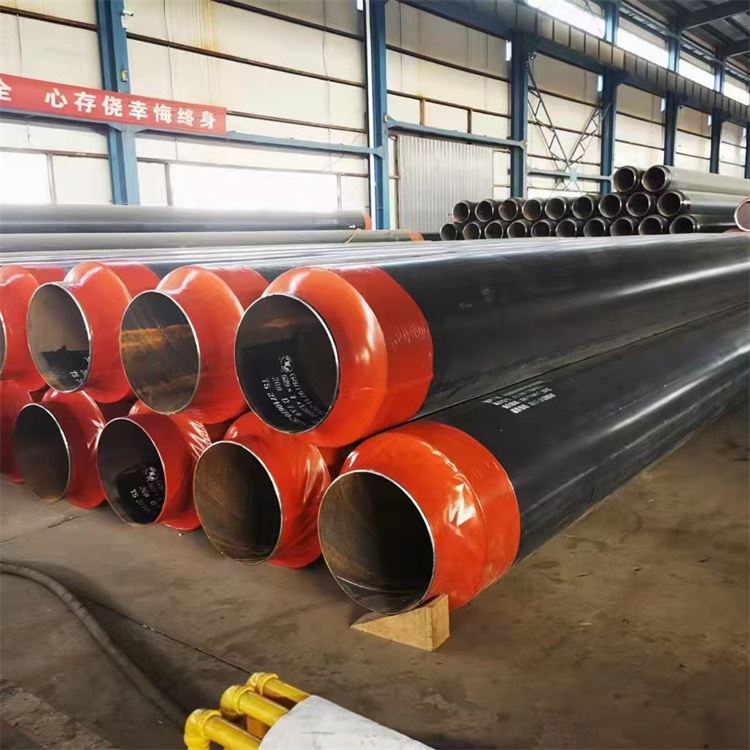

Factors Affecting Insulation Flexibility
Several factors can influence the insulation flexibility of insulated steel pipes. One of the most significant factors is the type of insulation material used. Different materials have different levels of flexibility, and choosing the right one is crucial for the performance of the insulated pipe.
Polyurethane Foam Pipe Insulation
Polyurethane Foam Pipe Insulation is a popular choice for insulated steel pipes due to its excellent insulation properties and relatively high flexibility. Polyurethane foam is a closed-cell foam that can conform to the shape of the pipe, providing a tight and continuous insulation layer. It can also withstand a certain degree of bending and compression without losing its insulation effectiveness.
The flexibility of polyurethane foam insulation is mainly determined by its density and formulation. Lower density foams tend to be more flexible, but they may also have lower insulation performance. Therefore, a balance needs to be struck between flexibility and insulation efficiency when selecting polyurethane foam insulation.
Other Insulation Materials
In addition to polyurethane foam, other insulation materials such as fiberglass, mineral wool, and aerogel can also be used for insulated steel pipes. Each material has its own characteristics in terms of flexibility, insulation performance, and cost.
Fiberglass insulation is known for its high temperature resistance and good insulation properties. However, it is relatively rigid and may not be suitable for applications where significant bending or flexibility is required. Mineral wool insulation is also a common choice, offering good fire resistance and insulation performance. Similar to fiberglass, it has limited flexibility.
Aerogel insulation, on the other hand, is extremely lightweight and has excellent insulation properties. It is also relatively flexible, making it suitable for applications where space is limited or where the pipes need to be bent. However, aerogel insulation is more expensive than other materials, which may limit its widespread use.
Importance of Insulation Flexibility in Different Applications
The insulation flexibility of insulated steel pipes is particularly important in various applications, including heating and cooling systems, industrial processes, and underground installations.
Heating and Cooling Systems
In heating and cooling systems, insulated steel pipes are used to transport hot or cold fluids. The pipes are often installed in buildings, where they may need to be bent around corners or through tight spaces. A flexible insulation can make the installation process easier and more efficient, reducing the risk of damage to the insulation during installation.
Moreover, as the temperature of the fluids in the pipes changes, the pipes will expand and contract. A flexible insulation can accommodate these changes, preventing the formation of gaps or cracks in the insulation layer. This ensures that the insulation performance remains consistent over time, reducing energy consumption and maintaining the comfort of the indoor environment.
Industrial Processes
In industrial processes, insulated steel pipes are used to transport various fluids, such as steam, chemicals, and oil. These pipes may be subjected to high temperatures, high pressures, and mechanical stress. A flexible insulation can withstand these harsh conditions, protecting the pipes from corrosion and maintaining the integrity of the insulation layer.
For example, in a chemical plant, the pipes may need to be bent or flexed to fit the layout of the equipment. A flexible insulation can adapt to these changes, ensuring that the chemicals are transported safely and efficiently.
Underground Installations
Underground Direct Buried Insulated Steel Pipe is commonly used for district heating, cooling, and water supply systems. The pipes are buried underground, where they are exposed to soil movement, groundwater, and temperature variations. A flexible insulation can withstand these environmental factors, preventing damage to the pipes and ensuring the long-term performance of the system.
The flexibility of the insulation also allows the pipes to adapt to the uneven ground conditions, reducing the risk of stress concentration and pipe failure. This is particularly important in areas with seismic activity or where the soil is prone to settlement.
How to Ensure Insulation Flexibility
As a supplier of insulated steel pipes, we take several measures to ensure the insulation flexibility of our products. First, we carefully select the insulation materials based on the specific requirements of the application. We work with leading manufacturers to source high-quality insulation materials that offer the right balance between flexibility and insulation performance.
Second, we use advanced manufacturing processes to ensure that the insulation is applied evenly and securely to the steel pipes. Our manufacturing facilities are equipped with state-of-the-art equipment, allowing us to control the thickness and density of the insulation layer accurately. This ensures that the insulation has the desired flexibility and insulation performance.
Finally, we conduct rigorous quality control tests on our products to ensure that they meet the highest standards. Our quality control team checks the insulation flexibility, insulation performance, and other properties of the pipes before they are shipped to our customers. This ensures that our customers receive high-quality insulated steel pipes that meet their specific needs.
Conclusion
In conclusion, the insulation flexibility of insulated steel pipes is a crucial factor that affects their performance and suitability for different applications. A flexible insulation can adapt to various conditions, making the installation process easier, reducing the risk of damage, and ensuring the long-term performance of the pipes.
As a supplier of insulated steel pipes, we are committed to providing our customers with high-quality products that offer excellent insulation flexibility and performance. Whether you are looking for Polyurethane Foam Pipe Insulation, Underground Direct Buried Insulated Steel Pipe, or Thermal Insulated Steel Pipe, we have the expertise and experience to meet your needs.
If you are interested in our insulated steel pipes or have any questions about insulation flexibility, please feel free to contact us. We look forward to discussing your requirements and providing you with the best solutions for your projects.
References
- ASHRAE Handbook - HVAC Systems and Equipment. American Society of Heating, Refrigerating and Air-Conditioning Engineers.
- Insulation Materials and Systems. ASTM International.
- Pipe Insulation Manual. Insulation Contractors Association of America.


