


Hey there! As a supplier of plastic coated pipe insulation, I often get asked about the heat transfer rate of this kind of insulation. So, I thought I'd write this blog to share some insights on it.
First off, let's understand what plastic coated pipe insulation is. It's a type of insulation that has a plastic coating on the outside of the pipe. This plastic coating serves multiple purposes, like protecting the pipe from corrosion, reducing heat loss, and sometimes even providing a barrier against external contaminants.
Now, the heat transfer rate is a crucial factor when it comes to insulation. It basically tells us how fast heat can move through the insulation material. In the case of plastic coated pipe insulation, the heat transfer rate depends on several factors.

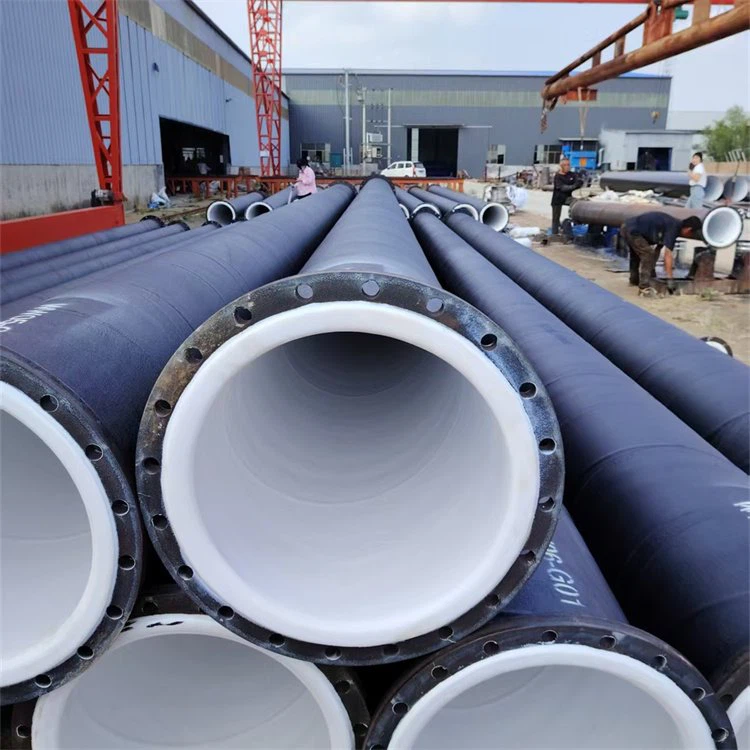
One of the main factors is the type of plastic used in the coating. Different plastics have different thermal properties. For example, some plastics are better insulators than others. Polyethylene, which is commonly used in plastic coated pipe insulation, has relatively low thermal conductivity. This means it doesn't allow heat to pass through it easily, so it helps in reducing the heat transfer rate.
The thickness of the plastic coating also plays a big role. A thicker coating generally means a lower heat transfer rate. Think of it like wearing a thicker jacket in winter. The thicker the jacket, the more it can keep you warm by reducing the amount of heat that escapes from your body. Similarly, a thicker plastic coating on the pipe can trap more heat inside the pipe and prevent it from leaking out.
Another factor is the quality of the installation. If the plastic coated pipe insulation is not installed properly, there might be gaps or air pockets. These gaps can act as pathways for heat to transfer more quickly. So, it's really important to make sure that the insulation is installed correctly to get the best performance in terms of heat transfer rate.
Let's talk a bit about the benefits of having a low heat transfer rate in plastic coated pipe insulation. For one, it can save energy. When less heat is lost from the pipes, the system doesn't have to work as hard to maintain the desired temperature. This can lead to lower energy bills for the users.
It also helps in improving the overall efficiency of the system. Whether it's a heating system in a building or a process in an industrial plant, a lower heat transfer rate means that the system can operate more smoothly and effectively.
Now, I'd like to mention some of the products we offer. We have Plastic Coated Steel Pipe for Gas. This is designed specifically for gas pipelines. The plastic coating not only provides good insulation but also protects the pipe from the corrosive effects of gas.
We also have Plastic Coated Steel Pipe for Mining. In mining operations, pipes are exposed to harsh conditions. Our plastic coated pipes can withstand these conditions and offer excellent heat transfer control.
And then there's the Plastic Lined Steel Pipe. This type of pipe has a plastic lining on the inside, which can further enhance the insulation properties and prevent corrosion from the inside of the pipe.
If you're in the market for plastic coated pipe insulation and want to know more about the heat transfer rate or our products, don't hesitate to get in touch. We're here to answer all your questions and help you find the best solution for your needs. Whether you're a small business owner or part of a large industrial project, we can provide you with high - quality plastic coated pipe insulation that meets your requirements.
In conclusion, understanding the heat transfer rate of plastic coated pipe insulation is essential for making informed decisions about your insulation needs. By considering factors like the type of plastic, coating thickness, and installation quality, you can ensure that you get the most out of your insulation. And if you're looking for a reliable supplier, we're here to assist you.
References:
- Thermal Engineering textbooks on insulation materials
- Industry reports on plastic coated pipe insulation performance
So, if you're interested in discussing your specific requirements for plastic coated pipe insulation, just reach out and let's start a conversation. We're eager to work with you and help you achieve your goals.


