


What is the friction coefficient of Epoxy Powder Anti - corrosion Steel Pipe?
As a supplier of Epoxy Powder Anti - corrosion Steel Pipe, I've received numerous inquiries about the friction coefficient of these pipes. Understanding this parameter is crucial for various applications, from fluid transportation to structural uses. In this blog, I'll delve into the concept of the friction coefficient, its significance for Epoxy Powder Anti - corrosion Steel Pipe, and how it impacts different industries.
Understanding the Friction Coefficient
The friction coefficient is a dimensionless quantity that represents the ratio of the force of friction between two surfaces to the normal force pressing them together. In the context of pipes, it plays a vital role in determining the flow characteristics of fluids inside the pipe and the interaction between the pipe and its surrounding environment.
When it comes to Epoxy Powder Anti - corrosion Steel Pipe, the friction coefficient is influenced by several factors. The surface roughness of the epoxy powder coating is one of the primary determinants. A smoother coating generally results in a lower friction coefficient, which is beneficial for fluid flow. Additionally, the type of fluid flowing through the pipe, its viscosity, and the flow velocity can also affect the friction coefficient.
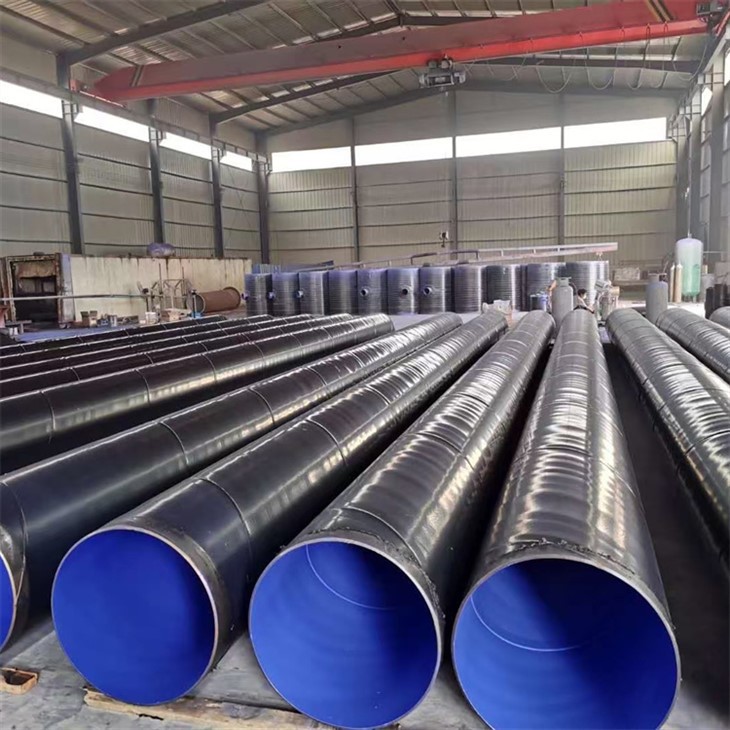
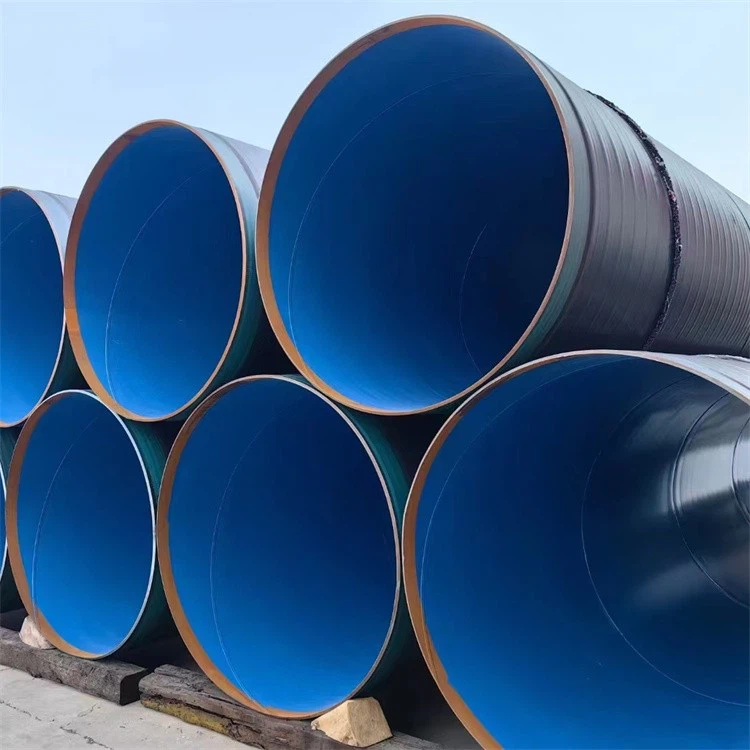
Factors Affecting the Friction Coefficient of Epoxy Powder Anti - corrosion Steel Pipe
- Surface Roughness of the Coating
The epoxy powder coating is applied to the steel pipe to provide anti - corrosion protection. However, the quality of the coating application can vary, leading to different levels of surface roughness. A well - applied coating with a smooth finish will have a lower friction coefficient compared to a coating with uneven surfaces or defects. For example, if the coating process is not properly controlled, there may be bumps or ridges on the inner surface of the pipe, which can increase the resistance to fluid flow. - Fluid Properties
The type of fluid flowing through the pipe has a significant impact on the friction coefficient. Viscous fluids, such as heavy oils, will experience more resistance to flow compared to less viscous fluids like water. The temperature of the fluid also affects its viscosity, and thus, the friction coefficient. As the temperature of a fluid increases, its viscosity generally decreases, resulting in a lower friction coefficient. - Flow Velocity
The velocity at which the fluid flows through the pipe is another important factor. At low flow velocities, the flow is typically laminar, and the friction coefficient is relatively constant. However, as the flow velocity increases, the flow may transition to a turbulent state. In turbulent flow, the friction coefficient increases due to the increased mixing and eddy formation within the fluid.
Measuring the Friction Coefficient of Epoxy Powder Anti - corrosion Steel Pipe
There are several methods for measuring the friction coefficient of pipes. One common approach is to conduct flow experiments in a laboratory setting. A test section of the pipe is set up, and a fluid is pumped through it at a known flow rate. By measuring the pressure drop across the test section and the flow rate, the friction coefficient can be calculated using the Darcy - Weisbach equation.
In the field, indirect methods such as measuring the flow rate and pressure in a pipeline system can also be used to estimate the friction coefficient. However, these methods may be affected by other factors such as pipe bends, fittings, and changes in elevation.
Significance of the Friction Coefficient in Different Industries
- Oil and Gas Industry
In the oil and gas industry, Epoxy Powder Anti - corrosion Steel Pipe is widely used for transporting crude oil, natural gas, and refined products. A low friction coefficient is essential for reducing the energy consumption required to pump the fluids through the pipelines. By minimizing the friction, operators can save on pumping costs and increase the overall efficiency of the pipeline system. - Water Supply and Sewerage Systems
For water supply and sewerage systems, the friction coefficient of the pipes affects the flow capacity and the pressure requirements. A lower friction coefficient allows for a higher flow rate with the same pumping power, which is beneficial for meeting the water demand in urban areas. In sewerage systems, a smooth - walled pipe with a low friction coefficient can prevent the accumulation of solids and reduce the risk of blockages. - Industrial Processes
In various industrial processes, such as chemical manufacturing and food processing, Epoxy Powder Anti - corrosion Steel Pipe is used to transport different types of fluids. The friction coefficient of the pipes can impact the process efficiency and the quality of the final products. For example, in a chemical reaction process, a consistent and low friction coefficient is necessary to ensure accurate flow rates and proper mixing of the reactants.
Comparison with Other Anti - corrosion Steel Pipes
There are several other types of anti - corrosion steel pipes available in the market, such as TPEP Anti - corrosion Steel Pipe, FBE Anti - corrosion Steel Pipe, and Epoxy Coal Tar Anti - corrosion Steel Pipe. Each type of pipe has its own characteristics and friction coefficients.
TPEP (Three - layer Polyethylene) Anti - corrosion Steel Pipe typically has a relatively smooth outer surface, which can result in a low friction coefficient when it comes to external interactions. FBE (Fusion - Bonded Epoxy) Anti - corrosion Steel Pipe has a hard and durable coating, and its friction coefficient depends on the surface finish of the coating. Epoxy Coal Tar Anti - corrosion Steel Pipe may have a higher friction coefficient due to the nature of the coal tar epoxy coating, which can be slightly rougher compared to other types of coatings.
How Our Epoxy Powder Anti - corrosion Steel Pipe Stands Out
As a supplier, we take great pride in the quality of our Epoxy Powder Anti - corrosion Steel Pipe. Our pipes are manufactured using advanced coating technology to ensure a smooth and uniform coating, resulting in a low friction coefficient. We conduct strict quality control measures during the production process to minimize surface defects and ensure consistent performance.
Our pipes are suitable for a wide range of applications, and we can provide customized solutions based on the specific requirements of our customers. Whether you need pipes for a large - scale pipeline project or a small - scale industrial application, we have the expertise and resources to meet your needs.
Contact Us for Your Epoxy Powder Anti - corrosion Steel Pipe Needs
If you're interested in learning more about the friction coefficient of our Epoxy Powder Anti - corrosion Steel Pipe or are considering a purchase, we'd love to hear from you. Our team of experts is ready to provide you with detailed information, technical support, and competitive pricing. Contact us today to start a discussion about your project requirements and explore how our pipes can meet your needs.
References
- White, F. M. (2006). Fluid Mechanics. McGraw - Hill.
- Shames, I. H. (1992). Mechanics of Fluids. McGraw - Hill.
- Pipe Flow Expert. (n.d.). Pipe Friction Calculations. Retrieved from [Pipe Flow Expert Website]
This blog provides a comprehensive overview of the friction coefficient of Epoxy Powder Anti - corrosion Steel Pipe. By understanding this important parameter, you can make informed decisions when selecting pipes for your specific applications. Whether you're in the oil and gas industry, water supply, or industrial processes, our high - quality pipes can offer you the performance and reliability you need.


