


Hey there! As a supplier of Plastic Coated Steel Pipe for Mining, I often get asked about the fire - resistance of our products. So, I thought I'd write this blog to share some insights on this topic.
Understanding Plastic Coated Steel Pipes for Mining
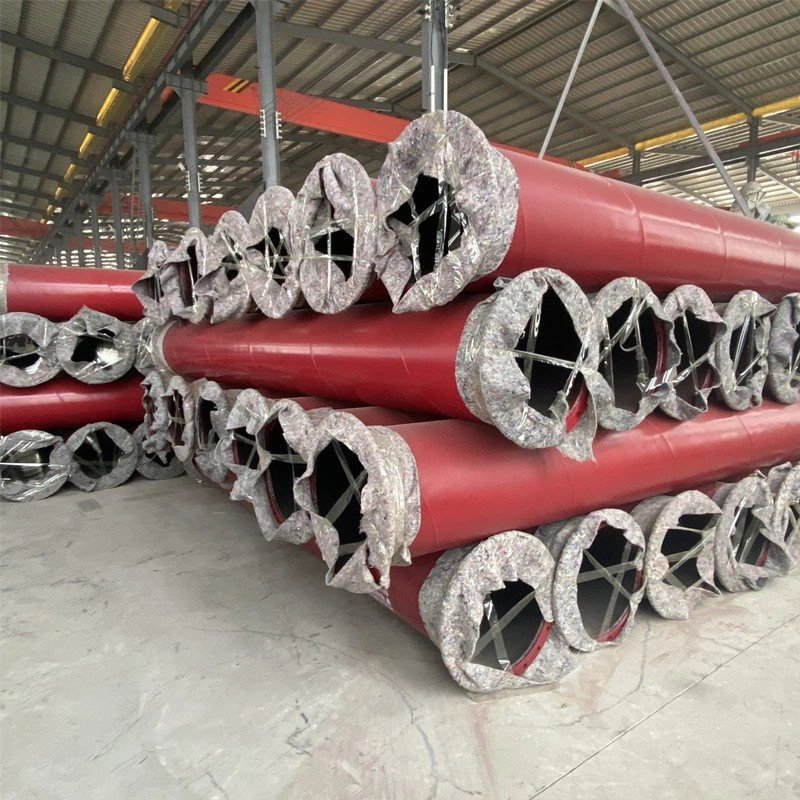
First off, let's talk a bit about what plastic coated steel pipes for mining are. These pipes are basically steel pipes that have a plastic coating on the inside, outside, or both. The steel provides the strength and durability needed to withstand the harsh conditions in mines, like high pressure, abrasion, and corrosion. The plastic coating, on the other hand, adds an extra layer of protection. It can prevent the steel from rusting and also offers some insulation properties.
Why Fire - Resistance Matters in Mining
Mining is a high - risk environment. There are all sorts of potential fire hazards, such as electrical malfunctions, friction from machinery, and even the use of explosives. A fire in a mine can be extremely dangerous, not only for the workers but also for the entire operation. That's why having fire - resistant pipes is crucial. If a fire breaks out, fire - resistant pipes can help contain the spread of flames and heat, giving workers more time to evacuate and allowing firefighters to get the situation under control.
Factors Affecting the Fire - Resistance of Plastic Coated Steel Pipes
1. The Type of Plastic Coating
The type of plastic used for the coating plays a huge role in determining the fire - resistance of the pipe. Some plastics are more fire - resistant than others. For example, PVC (Polyvinyl Chloride) has some inherent fire - retardant properties because it contains chlorine. When exposed to fire, PVC releases hydrogen chloride gas, which can help suppress the flames. On the other hand, polyethylene, which is a common plastic used for coatings, is more flammable. However, manufacturers can add fire - retardant additives to polyethylene to improve its fire - resistance.
2. Thickness of the Coating
The thickness of the plastic coating also matters. A thicker coating can provide more insulation and protection against fire. It takes longer for the heat to penetrate through a thick coating and reach the steel pipe underneath. But there's a balance to be struck here. If the coating is too thick, it can affect the flexibility and other mechanical properties of the pipe.
3. The Steel Substrate
The steel itself can influence the fire - resistance of the pipe. High - quality steel with good heat - resistant properties can help the pipe withstand higher temperatures for a longer period. Additionally, the surface treatment of the steel before applying the plastic coating can also have an impact. A well - treated steel surface can improve the adhesion of the coating, which in turn can enhance the overall fire - resistance of the pipe.
Testing the Fire - Resistance of Plastic Coated Steel Pipes
To ensure that our Plastic Coated Steel Pipe for Mining meets the required fire - resistance standards, we conduct a series of tests. One common test is the UL 94 test, which measures the flammability of plastic materials. In this test, a sample of the plastic coating is exposed to a flame, and its burning behavior is observed. The results are classified into different ratings, such as V - 0, V - 1, and V - 2, with V - 0 being the most fire - resistant.

Another test is the ASTM E84 test, which measures the surface burning characteristics of building materials. This test is important because it gives an indication of how the pipe will behave in a real - world fire situation, including how fast the flames will spread and how much smoke will be produced.
Comparing with Other Types of Plastic Coated Steel Pipes
We also offer Plastic Coated Steel Pipe for Fire Protection and Plastic Coated Steel Pipe for Gas. While all these pipes have some level of fire - resistance, their requirements can vary.
Plastic Coated Steel Pipe for Fire Protection is specifically designed to meet strict fire - safety standards. It usually has a very high - performance plastic coating with excellent fire - retardant properties. These pipes are often used in sprinkler systems and other fire - suppression applications.
Plastic Coated Steel Pipe for Gas, on the other hand, needs to be fire - resistant to prevent gas leaks in case of a fire. However, the focus is also on gas tightness and corrosion resistance. The plastic coating for gas pipes may be different in terms of composition and thickness compared to mining pipes.
Benefits of Our Fire - Resistant Plastic Coated Steel Pipes for Mining
1. Safety
The most obvious benefit is safety. Our fire - resistant pipes can help protect miners from the dangers of fire. In a high - risk environment like a mine, every little bit of protection counts.
2. Durability
The plastic coating not only provides fire - resistance but also protects the steel from corrosion and abrasion. This means our pipes have a longer lifespan, which can save mining companies money in the long run.
3. Compliance
Our pipes meet all the relevant safety and fire - resistance standards. This ensures that mining operations are in compliance with regulations, avoiding potential fines and legal issues.
Conclusion
In conclusion, the fire - resistance of plastic coated steel pipes for mining is a complex but important topic. It depends on various factors such as the type of plastic coating, the thickness of the coating, and the quality of the steel substrate. At our company, we take fire - resistance seriously and conduct rigorous testing to ensure that our pipes meet the highest standards.
If you're in the mining industry and are looking for reliable and fire - resistant plastic coated steel pipes, we'd love to hear from you. Whether you have questions about our products or are ready to place an order, feel free to reach out to us for a consultation. Let's work together to make your mining operations safer and more efficient.
References
- "Fire - Retardant Plastics: Principles and Applications" by Charles A. Wilkie
- ASTM International Standards on Fire Testing
- UL Standards for Flammability of Plastic Materials


