


Hey there! As a supplier of Spiral Steel Pipe for Piling Pipe, I often get asked about the corrosion - resistance of these pipes. So, I thought I'd write this blog to share some insights on this topic.
First off, let's understand what corrosion is. Corrosion is basically the natural process where metals react with substances in their environment, like oxygen and water, and gradually break down. For piling pipes, which are often buried underground or submerged in water, corrosion can be a real headache. It can weaken the pipes, reduce their lifespan, and even lead to structural failures.
Now, the corrosion - resistance of Spiral Steel Pipe for Piling Pipe depends on several factors. One of the most important factors is the type of steel used. We usually use high - quality steels that have better inherent corrosion - resistance properties. For example, the Q235B National Standard Spiral Steel Pipe is a popular choice. This type of steel has a good balance of strength and corrosion - resistance. It contains certain alloying elements that form a protective layer on the surface of the pipe, which slows down the corrosion process.
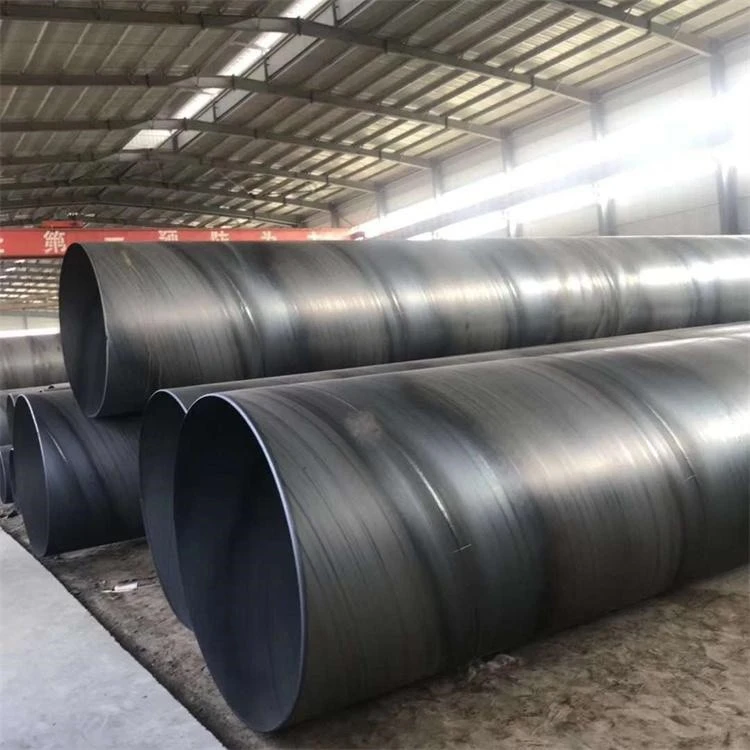
Another factor is the manufacturing process. Our Spiral Steel Pipes for Piling Pipe are often made using the double - sided submerged arc welding process. The Double - sided Submerged Arc Welding Spiral Steel Pipe is known for its high - quality welds. A good weld is important because any defects in the weld can be a starting point for corrosion. The double - sided submerged arc welding process creates a strong, uniform weld that is less likely to corrode compared to other welding methods.
Surface treatment also plays a crucial role in the corrosion - resistance of these pipes. We can apply different coatings to the pipes to protect them from corrosion. For instance, the Coated Spiral Steel Pipes for Water Supply and Drainage are coated with special materials that act as a barrier between the steel and the corrosive environment. These coatings can be epoxy, polyethylene, or other types of protective materials. They prevent water, oxygen, and other corrosive substances from reaching the steel surface, thus significantly reducing the risk of corrosion.
The environment in which the piling pipes are used also affects their corrosion - resistance. If the pipes are installed in an area with high soil acidity, high humidity, or a lot of salt in the water, they will be more prone to corrosion. In such cases, we need to take extra precautions. We might use pipes with thicker coatings or more corrosion - resistant steels. For example, in coastal areas where the soil and water have a high salt content, we recommend using pipes with a more robust coating system to ensure long - term performance.
Let's talk a bit more about the different types of corrosion that piling pipes might face. One common type is uniform corrosion, where the entire surface of the pipe corrodes at a relatively even rate. This is usually caused by a general exposure to a corrosive environment, like being in contact with acidic soil. Another type is pitting corrosion. Pitting corrosion is more dangerous because it creates small holes or pits in the pipe surface. These pits can quickly penetrate the pipe wall, leading to leaks and structural damage. It often occurs in areas where the protective coating has been damaged or in the presence of certain chemicals.
To test the corrosion - resistance of our Spiral Steel Pipes for Piling Pipe, we conduct various tests. We use laboratory tests, like immersion tests, where we immerse the pipe samples in a corrosive solution for a certain period of time and then measure the amount of corrosion. We also do field tests, where we install test pipes in real - world environments and monitor their corrosion over time. These tests help us ensure that our pipes meet the required standards and can withstand the harsh conditions they will be exposed to.
In addition to the above - mentioned factors, proper installation and maintenance are also important for the corrosion - resistance of piling pipes. During installation, we need to make sure that the pipes are not damaged. Any scratches or dents on the pipe surface can break the protective coating and expose the steel to corrosion. After installation, regular inspections should be carried out. If any signs of corrosion are detected, appropriate measures should be taken immediately, such as repairing the coating or applying additional protective treatments.

Now, I know you might be thinking, "This all sounds great, but how can I be sure that your Spiral Steel Pipes for Piling Pipe will work for my project?" Well, we have a team of experts who can help you choose the right pipes based on your specific requirements. We can analyze the environment where the pipes will be used, the load they need to bear, and other factors to recommend the most suitable pipes.
If you're in the market for Spiral Steel Pipe for Piling Pipe and are concerned about corrosion - resistance, don't hesitate to get in touch. We're here to provide you with high - quality pipes that can stand the test of time. Whether you're working on a small construction project or a large - scale infrastructure development, we have the right solution for you. Contact us today to start the procurement process and let's work together to ensure the success of your project.
References
- "Corrosion of Metals in Soils" by National Association of Corrosion Engineers
- "Steel Pipe Handbook" by Pipe Fabrication Institute


