


What is the acoustic performance of plastic coated pipe insulation?
As a supplier of plastic coated pipe insulation, I've witnessed firsthand the growing interest in understanding the acoustic performance of these products. In various industrial and commercial applications, the ability of pipes to manage sound is becoming increasingly crucial. Let's delve into what exactly the acoustic performance of plastic coated pipe insulation entails.
Understanding the Basics of Acoustic Performance
Acoustic performance refers to how well a material can control, absorb, or block sound. In the context of plastic coated pipe insulation, it means the insulation's capacity to reduce the noise generated within the pipes. Pipes can produce a variety of sounds, including the flow of fluids, vibrations from pumps or machinery, and the impact of water hammer. These noises can be not only a nuisance but also a sign of inefficiency or potential damage within the piping system.
How Plastic Coated Pipe Insulation Affects Sound
Plastic coated pipe insulation plays a significant role in altering the acoustic properties of pipes. The plastic coating itself can act as a barrier to sound waves. It has a certain density and elasticity that can absorb and dampen the vibrations that cause sound. When a sound wave hits the plastic coating, some of its energy is dissipated as heat through the internal friction of the plastic material. This reduces the intensity of the sound that is transmitted through the pipe wall and into the surrounding environment.
Moreover, the insulation layer beneath the plastic coating further enhances the acoustic performance. Insulation materials, such as fiberglass or foam, are designed to trap air pockets. These air pockets are excellent at absorbing sound because sound waves have to travel through the porous structure of the insulation, which scatters and absorbs the sound energy. The combination of the plastic coating and the insulation layer creates a multi - layer system that can significantly reduce the noise levels associated with pipe systems.
Factors Influencing Acoustic Performance
Several factors can influence the acoustic performance of plastic coated pipe insulation. One of the most important factors is the thickness of the insulation. Generally, thicker insulation provides better sound absorption. As the sound wave has to travel through a greater distance in the insulation material, more energy is absorbed, resulting in a lower sound transmission.
The type of plastic used for the coating also matters. Different plastics have different acoustic properties. For example, some plastics with higher densities are better at blocking sound, while others with more flexible molecular structures are more effective at absorbing vibrations. The quality of the insulation material is another critical factor. High - quality insulation materials with uniform pore sizes and proper installation techniques can maximize the acoustic performance.
The frequency of the sound is also an important consideration. Different insulation materials and plastic coatings are more effective at certain frequencies. For instance, some insulation materials are better at absorbing low - frequency sounds, while others are more efficient at high - frequency sounds. Understanding the frequency range of the noise generated by the pipe system is essential for selecting the most appropriate plastic coated pipe insulation.
Applications and Benefits
The acoustic performance of plastic coated pipe insulation makes it suitable for a wide range of applications. In commercial buildings, such as hotels, hospitals, and office complexes, reducing the noise from plumbing systems is crucial for providing a comfortable environment. Plastic coated pipe insulation can help minimize the sound of water flowing through pipes, preventing it from disturbing occupants.
In industrial settings, pipes are often connected to pumps, compressors, and other noisy equipment. The insulation can reduce the noise generated by these machines as the fluid moves through the pipes. This not only improves the working conditions for employees but also helps in meeting noise regulations.
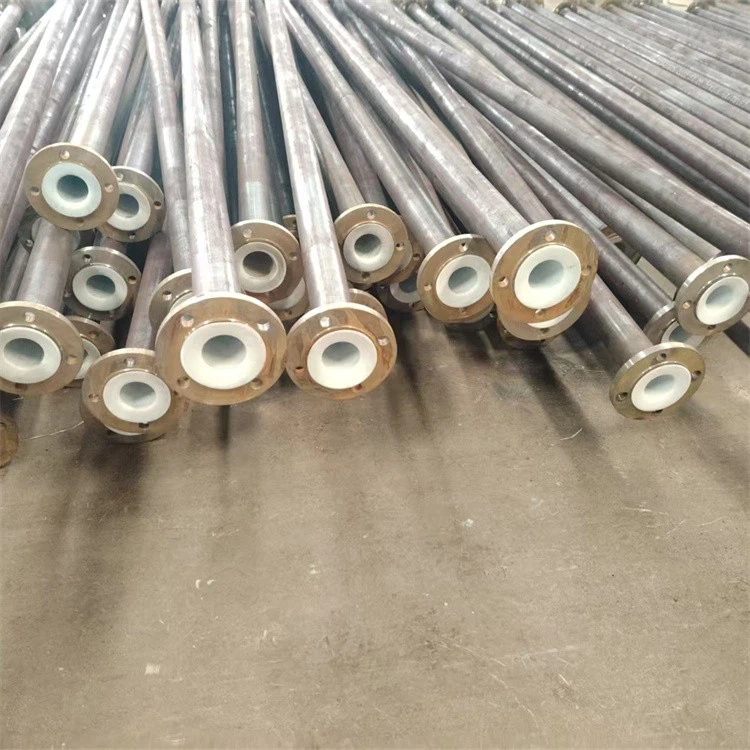
For Plastic Coated Steel Pipe for Mining, the acoustic performance is important as mining operations are often noisy. The insulation can reduce the noise from the flow of water or other fluids used in the mining process, making the working environment safer and more comfortable. Similarly, Plastic Lined Steel Pipe and Plastic Coated Steel Pipe for Gas can benefit from the acoustic properties of the insulation to reduce the noise associated with the flow of gas or other substances.
The benefits of using plastic coated pipe insulation for its acoustic performance are numerous. Firstly, it improves the quality of life in residential and commercial buildings by reducing noise pollution. Secondly, it can enhance the efficiency of industrial processes by reducing the impact of noise on workers' concentration and productivity. Thirdly, it helps companies comply with noise regulations, avoiding potential fines and legal issues.
Selecting the Right Plastic Coated Pipe Insulation
When selecting plastic coated pipe insulation for its acoustic performance, it's important to consider the specific requirements of the application. As a supplier, I always recommend conducting a thorough assessment of the noise levels and frequency range in the area where the pipes will be installed. This can be done through noise testing and analysis.
Based on the assessment results, we can recommend the appropriate thickness and type of insulation material. We also offer a variety of plastic coatings with different acoustic properties to meet the diverse needs of our customers. Our team of experts can provide guidance on the installation process to ensure that the insulation performs at its best.
Conclusion
The acoustic performance of plastic coated pipe insulation is a complex but important aspect of its functionality. It offers significant benefits in terms of noise reduction in various applications, from commercial buildings to industrial settings. By understanding the factors that influence acoustic performance and selecting the right insulation and coating materials, customers can effectively manage the noise generated by their pipe systems.
If you're interested in learning more about our plastic coated pipe insulation products and how they can improve the acoustic performance of your pipe systems, we invite you to contact us for a detailed discussion. Our team is ready to assist you in finding the most suitable solutions for your specific needs. Whether you're involved in a small - scale residential project or a large - scale industrial installation, we have the expertise and products to meet your requirements. Let's work together to create a quieter and more efficient environment with our high - quality plastic coated pipe insulation.

References
- ASTM International. (Year). Standard test methods for measuring sound transmission loss and impact insulation class of building partitions and elements. ASTM E90 - XX.
- ISO (International Organization for Standardization). (Year). Acoustics - Rating of sound insulation in buildings and of building elements. ISO 717 - 1.
- White, F. M. (Year). Fluid Mechanics. McGraw - Hill Education.


