


Shipping and handling plastic coated pipe insulation can be a bit of a headache, but it's super important to get it right. As a supplier of plastic coated pipe insulation, I've learned a thing or two about what needs to be considered during the shipping and handling process. In this blog, I'll share some key points that can help ensure your plastic coated pipe insulation arrives at its destination in top - notch condition.
Packaging
First off, packaging is crucial. Plastic coated pipe insulation is relatively fragile and can be easily damaged during transit. We use high - quality packaging materials to protect the pipes. For smaller pieces of insulation, we often use bubble wrap. It provides a cushioning effect that helps absorb any shocks or impacts during shipping.
For larger pipes, we use custom - made wooden crates. These crates are designed to fit the pipes snugly, preventing them from moving around inside. This reduces the risk of scratches, dents, or other forms of damage. We also make sure to label the packages clearly. Labels indicate the orientation of the pipes (since some insulation has a specific up - down direction), and they also mention any special handling instructions.
Transportation Mode
Choosing the right transportation mode is another big deal. We have a few options, and each has its pros and cons.
Trucks
Truck transportation is often our go - to for local or regional deliveries. It's flexible because trucks can reach almost any location, even those that are a bit off the beaten path. We can also control the loading and unloading process more easily. However, trucks are subject to traffic conditions, which can cause delays. And if there's bad weather, like heavy rain or snow, it can pose a risk to the insulation.
Trains
Trains are great for long - distance shipping. They can carry a large volume of pipe insulation at once, which is cost - effective. Trains are also more environmentally friendly compared to trucks. But the downside is that they have fixed schedules and routes. So, if the destination is not near a train station, additional transportation (like trucks) will be needed to get the insulation to its final location.
Ships
For international shipments, ships are usually the best option. They can handle huge quantities of goods. But shipping by sea takes a long time. And there's always the risk of rough seas, which can cause the cargo to shift and potentially damage the insulation.
Loading and Unloading
Proper loading and unloading procedures are essential to prevent damage. When loading the plastic coated pipe insulation onto trucks, trains, or ships, we use specialized equipment. Forklifts are carefully operated to lift the pipes without causing any stress on the insulation. Workers are trained to handle the pipes gently, making sure not to drop or throw them.
During unloading, the same level of care is required. We make sure that the area where the pipes will be unloaded is clean and free of any sharp objects that could scratch the insulation. If the insulation is being unloaded into a storage facility, we stack the pipes in an organized way, following the recommended stacking height to avoid crushing the lower layers.
Storage During Transit
If there are stops during transit, proper storage is necessary. For example, if the pipes are being transferred from a truck to a train, they need to be stored in a dry and secure place. Exposure to moisture can damage the plastic coating and reduce the effectiveness of the insulation.
We also need to protect the pipes from extreme temperatures. High temperatures can cause the plastic to soften and deform, while very low temperatures can make it brittle. So, if possible, we store the pipes in climate - controlled areas during transit.
Documentation
Don't forget about the paperwork! Accurate documentation is vital for shipping and handling plastic coated pipe insulation. We need to have a bill of lading that details the quantity, type, and value of the insulation being shipped. This document is used for customs clearance (especially for international shipments) and for tracking the cargo.
We also include product specifications and safety data sheets. These documents provide information about the insulation's properties, such as its flammability, chemical composition, and installation instructions. They help ensure that the insulation is handled safely throughout the shipping process.
Insurance
It's always a good idea to have insurance for the plastic coated pipe insulation during shipping. Despite all our precautions, accidents can happen. Insurance provides financial protection in case the pipes are damaged, lost, or stolen during transit. We work with reliable insurance providers to get the right coverage for our shipments.
Special Considerations for Different Types of Plastic Coated Pipe Insulation
We offer different types of plastic coated pipe insulation, and each has its own shipping and handling requirements.
Plastic Coated Steel Pipe for Water Supply
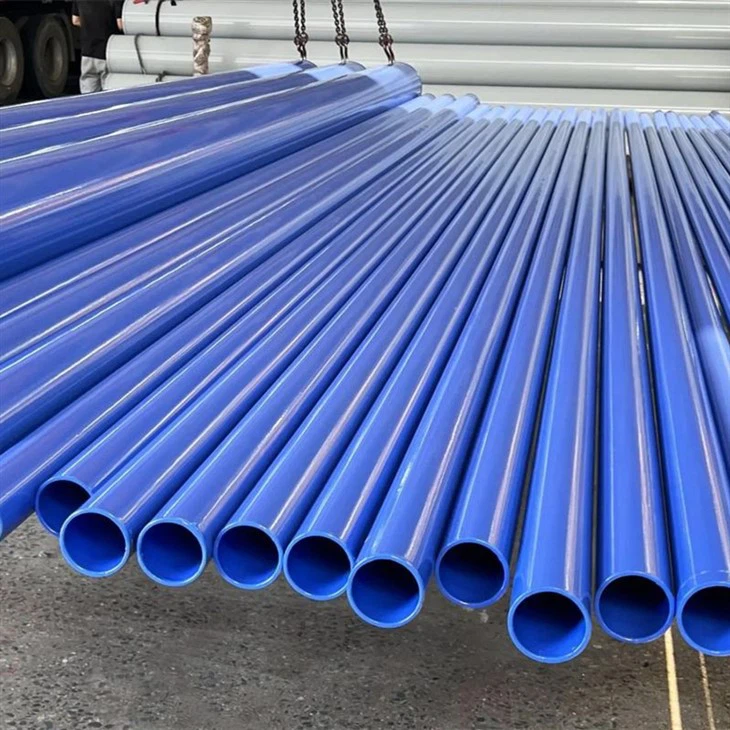
This type of insulation needs to be extra protected from moisture. Since it's used for water supply, any damage to the coating could lead to corrosion of the steel pipe. We use moisture - resistant packaging and make sure that the pipes are sealed properly during shipping.
Plastic Coated Steel Pipe for Mining
Mining environments are tough, so the insulation for these pipes needs to be robust. During shipping, we pay extra attention to preventing any damage that could compromise its performance in the harsh mining conditions. We use stronger packaging and more secure loading methods.
Plastic Lined Steel Pipe
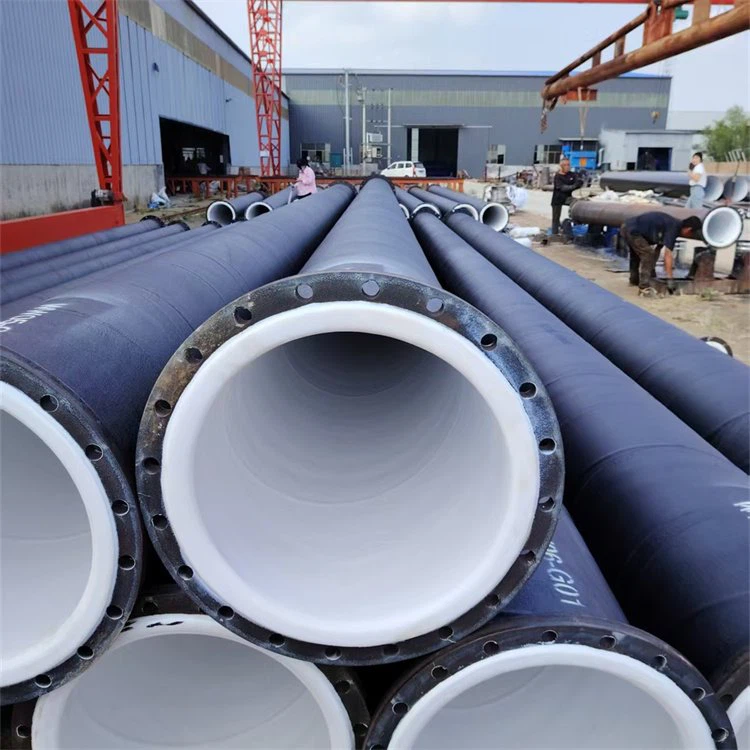
The plastic lining in these pipes is delicate. We take special care during loading and unloading to avoid any punctures or tears in the lining. The pipes are also stored in a way that prevents excessive bending or pressure on the lining.
Conclusion
Shipping and handling plastic coated pipe insulation is a complex process that requires careful planning and attention to detail. From choosing the right packaging and transportation mode to ensuring proper loading, unloading, and storage, every step matters.
If you're in the market for high - quality plastic coated pipe insulation, we're here to help. We understand the importance of getting the product to you in perfect condition. Whether you need Plastic Coated Steel Pipe for Water Supply, Plastic Coated Steel Pipe for Mining, or Plastic Lined Steel Pipe, we've got you covered.
Contact us to discuss your specific needs and start a procurement negotiation. We're confident that our expertise in shipping and handling will give you peace of mind when it comes to receiving your plastic coated pipe insulation.
References
- General knowledge of the plastic coated pipe insulation industry
- Experience from years of working as a plastic coated pipe insulation supplier


