


Hey there! As a supplier of steel spiral pipes, I've seen firsthand how important it is to take safety precautions during the installation process. Steel spiral pipes are used in a wide range of applications, from water and gas pipelines to structural supports in buildings. Whether you're a professional installer or a DIY enthusiast, following these safety tips can help prevent accidents and ensure a successful installation.

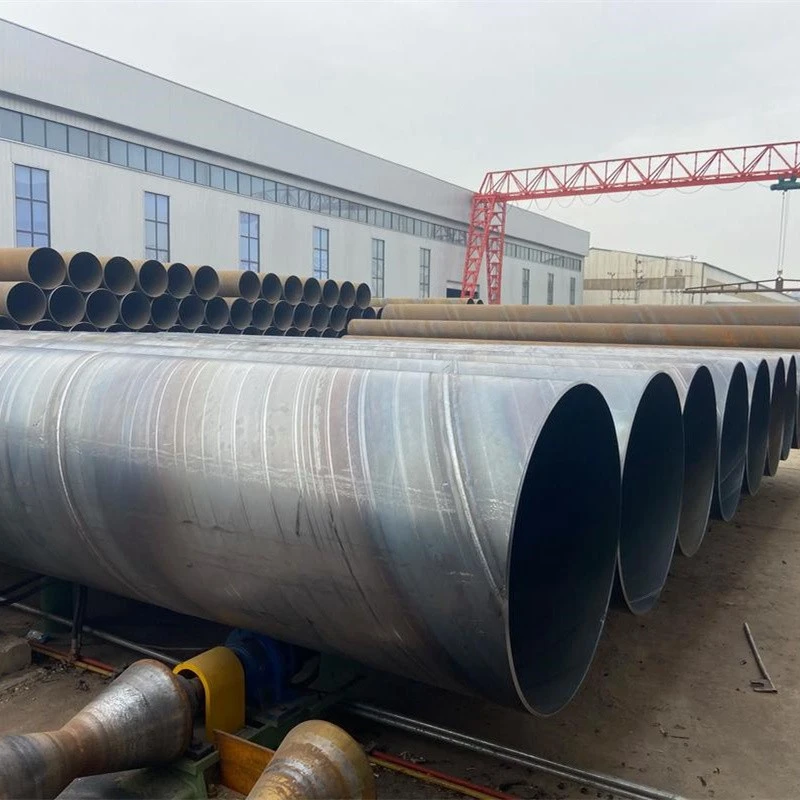
Pre - installation Safety Checks
Before you even start the installation, there are several safety checks you need to do. First off, make sure you've got the right type of steel spiral pipe for the job. We offer a variety of options, like the Q235B National Standard Spiral Steel Pipe, which meets high - quality national standards. Check the pipe for any visible damage, such as cracks, dents, or corrosion. Damaged pipes can compromise the integrity of the entire system and pose a safety risk.
Inspect the installation site thoroughly. Look for any potential hazards like uneven ground, overhead power lines, or underground utilities. If the site is near power lines, make sure you follow the proper clearance distances to avoid electrocution. And if there are underground utilities, use a utility locator to mark their positions before you start digging.
Personal Protective Equipment (PPE)
Wearing the right PPE is non - negotiable during the installation of steel spiral pipes. You should always wear safety goggles to protect your eyes from flying debris, especially when cutting or welding the pipes. A hard hat is essential to protect your head from falling objects. Steel - toed boots will safeguard your feet from heavy pipes or tools that might accidentally drop on them.
Gloves are also a must. They'll protect your hands from sharp edges on the pipes and from burns if you're working with hot pipes or welding equipment. If you're working in a noisy environment, wear ear protection to prevent hearing damage. And don't forget a high - visibility vest if you're working in an area with traffic or heavy machinery.
Handling and Lifting
Steel spiral pipes can be heavy and awkward to handle, so it's important to use the right techniques. When lifting the pipes, use proper lifting equipment like cranes, forklifts, or hoists. Make sure the lifting equipment is in good working condition and rated for the weight of the pipes.
If you have to manually handle the pipes, use a team - lifting approach. Bend your knees and keep your back straight when lifting to avoid back injuries. Don't try to lift pipes that are too heavy for you. And when moving the pipes, make sure the path is clear of obstacles.
Welding and Cutting Safety
If you need to weld or cut the steel spiral pipes, there are specific safety precautions you need to take. For welding, make sure you're using the correct welding process and equipment. We have Double - sided Submerged Arc Welding Spiral Steel Pipe, which is known for its high - quality welds.
Keep a fire extinguisher nearby when welding or cutting. Sparks from these processes can easily start a fire, so it's important to be prepared. Also, make sure the welding area is well - ventilated to prevent the inhalation of harmful fumes. If you're using a cutting torch, follow the manufacturer's instructions carefully and check the fuel cylinders for leaks.
Pipe Joining
When joining the steel spiral pipes, use the appropriate joining methods. Whether it's welding, flanging, or using mechanical couplings, make sure the joints are properly sealed. A poorly sealed joint can lead to leaks, which can be dangerous, especially if the pipes are carrying hazardous substances like gas or chemicals.
Check the alignment of the pipes before joining them. Misaligned pipes can cause stress on the joints and lead to failures over time. Use alignment tools to ensure a proper fit.
Securing the Pipes
Once the pipes are installed, they need to be properly secured. Use pipe supports at regular intervals to prevent the pipes from sagging or shifting. The type of support you use will depend on the size and weight of the pipes and the installation environment.
For above - ground installations, make sure the supports are firmly attached to a stable structure. For underground installations, use bedding materials like sand or gravel to provide a stable base for the pipes.
Pressure Testing
After the installation is complete, it's crucial to conduct a pressure test. This will help you identify any leaks or weaknesses in the system. Follow the appropriate pressure testing procedures and use the right testing equipment.
Make sure the pressure is gradually increased to the test pressure and held for the required duration. Monitor the system closely during the test for any signs of leaks, such as drops in pressure or visible water or gas seepage. If you find any leaks, repair them before putting the system into operation.
Post - installation Clean - up
Once the installation is finished and the system has passed the pressure test, clean up the site. Remove any debris, tools, or leftover materials. Properly dispose of any waste materials like cut - off pipe sections or used welding rods.
Inspect the entire installation one last time to make sure everything is in good working order. This final check can help catch any potential issues before they become major problems.
Why Choose Our Steel Spiral Pipes
We take pride in offering high - quality steel spiral pipes, including Large Diameter Spiral Welded Steel Pipe. Our pipes are manufactured to strict quality standards and undergo rigorous testing to ensure their reliability and safety.
If you're planning an installation project and need steel spiral pipes, we're here to help. Our team of experts can provide you with the right advice on pipe selection, installation techniques, and safety precautions.
Contact Us for Procurement
If you're interested in purchasing our steel spiral pipes or have any questions about the installation process, don't hesitate to reach out. We're always happy to assist you with your procurement needs and ensure that you have a safe and successful installation.
References
- "Steel Pipe Installation Handbook", a comprehensive guide on steel pipe installation best practices.
- Occupational Safety and Health Administration (OSHA) guidelines for construction and pipe installation safety.
- Manufacturer's manuals for steel spiral pipes and related equipment.


