


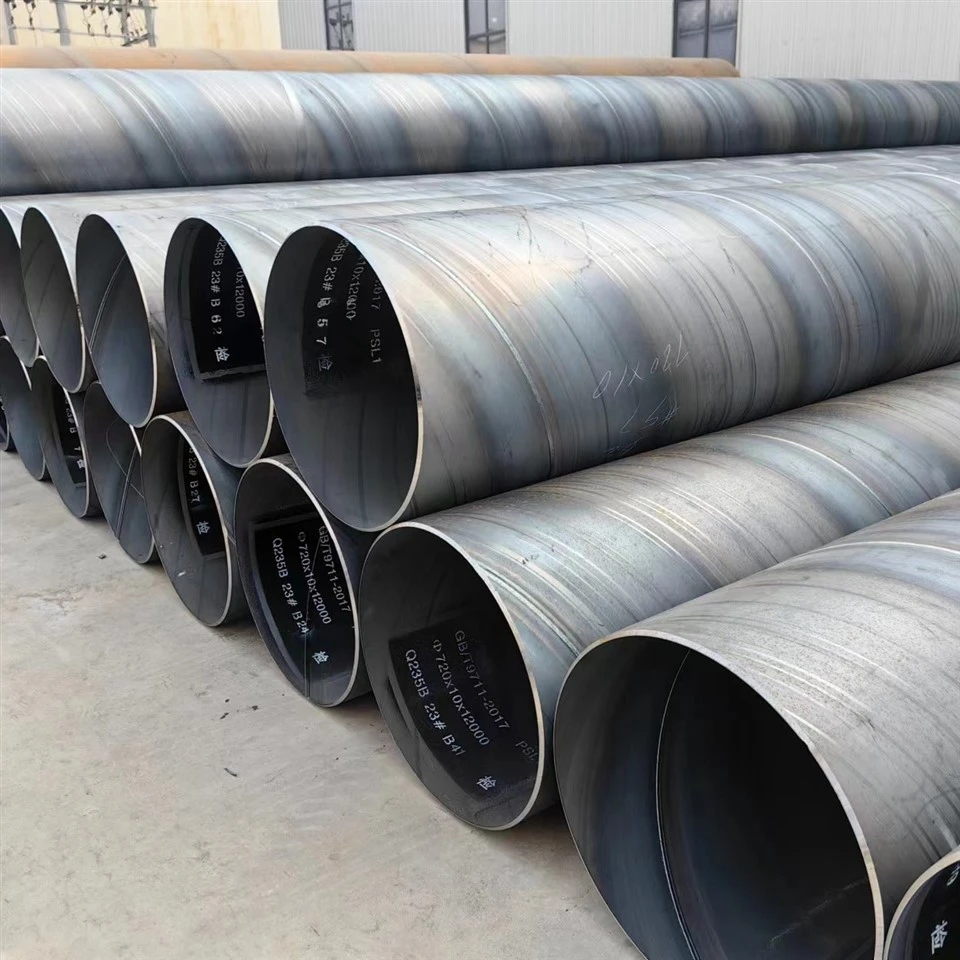
As a supplier of Dredge Spiral Steel Pipe, I understand the critical importance of safety during the installation process. Dredge Spiral Steel Pipes are widely used in various dredging projects, and ensuring safety not only protects the workers but also guarantees the long - term performance of the pipeline system. In this blog, I will share some essential safety measures that should be taken during the installation of Dredge Spiral Steel Pipe.
1. Pre - installation Safety Preparations
Site Inspection
Before starting the installation, a thorough site inspection is necessary. The terrain, soil conditions, and existing underground utilities need to be carefully examined. For example, if the installation site has soft soil, additional support structures may be required to prevent the pipe from sinking or shifting. Moreover, knowing the location of underground cables and pipelines can avoid accidental damage during excavation. This step is crucial as it helps in identifying potential hazards and planning appropriate safety measures.
Equipment Check
All the equipment used for installation, such as cranes, welding machines, and excavation tools, must be inspected and maintained regularly. Faulty equipment can lead to serious accidents. For instance, a crane with a malfunctioning hoist can drop the pipe, endangering the lives of workers. Regular maintenance and pre - installation checks ensure that the equipment is in good working condition and reduces the risk of breakdowns during the installation process.
Personal Protective Equipment (PPE)
Workers should be provided with and required to wear appropriate PPE. This includes hard hats to protect against falling objects, safety glasses to prevent eye injuries from flying debris, gloves for hand protection during handling of the pipes, and steel - toed boots to safeguard feet from heavy objects. In some cases, respiratory protection may also be necessary, especially when working in areas with dust or fumes.
2. Safety During Pipe Handling
Lifting Operations
When lifting the Dredge Spiral Steel Pipe, proper lifting techniques must be followed. The pipe should be lifted using approved lifting slings or chains that are rated for the weight of the pipe. The lifting points on the pipe should be carefully selected to ensure balanced lifting. For example, if the pipe is not lifted evenly, it can tilt and fall, causing damage to the pipe and endangering workers. Cranes operators should be well - trained and follow all safety regulations during lifting operations.
Transportation
During the transportation of the pipes to the installation site, they should be properly secured on the transport vehicle. Loose pipes can shift during transit, leading to accidents on the road. Straps or chains should be used to fasten the pipes firmly to the vehicle. Additionally, the vehicle should be driven at a safe speed, taking into account the weight and size of the load.
3. Safety During Pipe Installation
Welding Safety
Welding is a common operation during the installation of Dredge Spiral Steel Pipe. Welders should be certified and follow all safety procedures. Adequate ventilation is required to remove welding fumes, which can be harmful if inhaled. Fire prevention measures should also be in place, as welding involves high - temperature sparks. A fire extinguisher should be readily available at the welding site, and the area should be cleared of flammable materials.
Trench Safety
If the pipes are being installed in a trench, trench safety is of utmost importance. Trenches should be properly shored or sloped to prevent cave - ins. Workers should not enter the trench until it has been inspected and deemed safe. Warning signs should be posted around the trench to alert workers of the potential danger. In addition, a means of escape, such as a ladder, should be provided in the trench at all times.
Pipe Alignment
Proper pipe alignment is essential for a successful installation. When aligning the pipes, workers should use appropriate tools and techniques. They should avoid placing their hands between the pipes to prevent crushing injuries. Laser alignment tools can be used to ensure accurate alignment, reducing the risk of misalignment - related problems during the installation.
4. Safety During Testing and Commissioning
Pressure Testing
After the pipes are installed, pressure testing is usually carried out to check for leaks. During pressure testing, workers should stay at a safe distance from the pipes. The test pressure should be gradually increased to the specified level, and all connections should be monitored for leaks. If a leak is detected, the pressure should be released immediately, and the problem should be fixed before continuing the testing.
Commissioning
During the commissioning phase, all systems associated with the Dredge Spiral Steel Pipe, such as pumps and valves, should be tested and operated safely. Workers should be trained on how to operate these systems properly. Any abnormal noises or vibrations during commissioning should be investigated immediately to prevent potential failures.
5. Environmental Safety
Spill Prevention
During the installation process, there is a risk of spills, such as oil spills from equipment or chemical spills from welding fluxes. Spill prevention measures should be in place, including the use of spill containment booms and absorbent materials. In case of a spill, it should be cleaned up immediately to prevent environmental contamination.
Noise and Dust Control
The installation of Dredge Spiral Steel Pipe can generate noise and dust. Noise - reducing equipment, such as mufflers on machinery, should be used to minimize the impact on workers and the surrounding environment. Dust suppression measures, such as watering the work area, can help reduce dust emissions.
Conclusion
In conclusion, safety during the installation of Dredge Spiral Steel Pipe is a multi - faceted issue that requires careful planning, proper training, and strict adherence to safety regulations. By following the safety measures outlined above, we can minimize the risk of accidents, protect the environment, and ensure a successful installation.
If you are in need of high - quality Dredge Spiral Steel Pipe, we are here to provide you with the best products and services. Our Dredge Spiral Steel Pipe is designed to meet the highest industry standards. We also offer Coated Spiral Steel Pipes for Water Supply and Drainage and Large Diameter Spiral Welded Steel Pipe for various applications. Contact us to discuss your procurement needs and start a successful partnership.

References
- Occupational Safety and Health Administration (OSHA) standards for construction and pipe installation.
- Industry best practices for dredging and pipeline installation.
- Manufacturer's guidelines for the use and installation of Dredge Spiral Steel Pipe.


