


As a supplier of FBE (Fusion Bonded Epoxy) Anti - corrosion Steel Pipe, I understand the critical importance of ensuring the anti - corrosion performance of our products. In this blog, I will share some effective methods to test the anti - corrosion performance of FBE Anti - corrosion Steel Pipe.
1. Visual Inspection
Visual inspection is the most basic and initial step in evaluating the anti - corrosion performance of FBE Anti - corrosion Steel Pipe. When the pipe arrives at the inspection site, we first check the appearance of the FBE coating. The coating should be uniform in thickness, free from cracks, pores, and other visible defects. Any surface irregularities can potentially become weak points where corrosion may initiate.
For example, if there are cracks in the FBE coating, moisture and corrosive substances can penetrate through these cracks and reach the steel substrate, leading to corrosion. By carefully observing the surface, we can quickly identify obvious coating flaws that may affect the anti - corrosion ability of the pipe.
2. Thickness Measurement
The thickness of the FBE coating is a crucial factor in determining its anti - corrosion performance. A proper coating thickness provides an effective barrier between the steel pipe and the corrosive environment. We use coating thickness gauges to measure the thickness of the FBE coating at multiple points along the pipe.
Industry standards usually specify the minimum and maximum allowable coating thickness. For FBE Anti - corrosion Steel Pipe, a typical coating thickness may range from 300 to 500 micrometers. If the coating thickness is too thin, it may not provide sufficient protection against corrosion. On the other hand, an overly thick coating may lead to issues such as cracking during the curing process.
3. Adhesion Test
The adhesion of the FBE coating to the steel substrate is essential for long - term anti - corrosion performance. A well - adhered coating can better resist the penetration of corrosive agents. There are several methods to test the adhesion of the FBE coating, such as the cross - hatch test and the pull - off test.
In the cross - hatch test, a series of parallel cuts are made on the coating surface to form a grid pattern. Then, adhesive tape is applied over the grid and quickly pulled off. The amount of coating that is removed with the tape indicates the adhesion strength. If a large amount of coating is removed, it suggests poor adhesion, which may result in coating delamination and subsequent corrosion of the steel pipe.
The pull - off test measures the force required to pull a small circular area of the coating away from the steel substrate. A higher pull - off force indicates better adhesion. By conducting these adhesion tests, we can ensure that the FBE coating is firmly bonded to the steel pipe, enhancing its anti - corrosion properties.
4. Impact Resistance Test
FBE Anti - corrosion Steel Pipe may be subjected to various mechanical impacts during transportation, installation, and use. Therefore, it is necessary to test the impact resistance of the FBE coating. An impact tester is used to strike the coated pipe with a specified weight from a certain height.
After the impact, the coating is inspected for cracks or delamination. If the coating remains intact after the impact, it indicates good impact resistance. A coating with poor impact resistance may crack under mechanical stress, exposing the steel substrate to the corrosive environment.
5. Salt Spray Test
The salt spray test is a widely used method to simulate a harsh corrosive environment and evaluate the anti - corrosion performance of FBE Anti - corrosion Steel Pipe. In this test, the coated pipe specimens are placed in a salt spray chamber, where a fine mist of saltwater (usually 5% sodium chloride solution) is continuously sprayed onto the specimens.
The test is carried out for a specific period, typically ranging from several hundred to thousands of hours. After the test, the specimens are removed from the chamber and inspected for signs of corrosion, such as rust spots or blistering on the coating surface. The longer the pipe can withstand the salt spray without significant corrosion, the better its anti - corrosion performance.
6. Electrochemical Impedance Spectroscopy (EIS)
Electrochemical Impedance Spectroscopy is a more advanced and accurate method for evaluating the anti - corrosion performance of FBE Anti - corrosion Steel Pipe. It measures the electrical impedance of the coating - steel system.
When a small alternating current is applied to the coated pipe, the impedance of the system is related to the resistance of the coating and the corrosion process occurring at the steel - coating interface. A high impedance value indicates a good - quality coating with excellent anti - corrosion properties. By analyzing the EIS data, we can obtain detailed information about the coating's integrity and the corrosion rate of the steel pipe.
7. Comparison with Other Anti - corrosion Steel Pipes
In addition to the above - mentioned tests, it is also beneficial to compare the anti - corrosion performance of FBE Anti - corrosion Steel Pipe with other types of anti - corrosion steel pipes, such as Epoxy Powder Anti - corrosion Steel Pipe, IPN8710 Anti - corrosion Steel Pipe, and TPEP Anti - corrosion Steel Pipe.
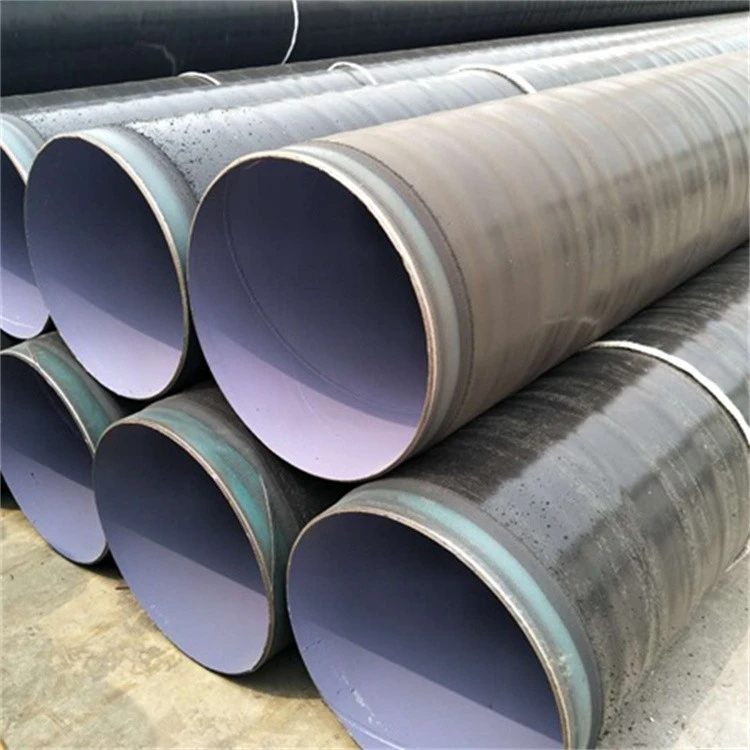

By conducting side - by - side tests under the same conditions, we can clearly see the advantages and disadvantages of FBE Anti - corrosion Steel Pipe compared to other products. This comparison can help customers make more informed decisions when choosing the most suitable anti - corrosion steel pipe for their specific applications.
Conclusion
Testing the anti - corrosion performance of FBE Anti - corrosion Steel Pipe is a comprehensive process that involves multiple methods. By conducting visual inspections, thickness measurements, adhesion tests, impact resistance tests, salt spray tests, EIS, and comparisons with other products, we can ensure that our FBE Anti - corrosion Steel Pipe meets the highest quality standards and provides long - term protection against corrosion.
If you are interested in our FBE Anti - corrosion Steel Pipe or have any questions about its anti - corrosion performance, please feel free to contact us for further discussion and procurement negotiation. We are committed to providing you with high - quality products and excellent service.
References
- ASTM standards related to anti - corrosion coatings for steel pipes.
- Industry research reports on the performance evaluation of anti - corrosion steel pipes.


