


How to evaluate the anti - corrosion effect of TPEP anti - corrosion steel pipe?
As a supplier of TPEP Anti - corrosion Steel Pipe, I understand the importance of accurately evaluating the anti - corrosion effect of our products. TPEP (Three - layer PE and Epoxy Powder) anti - corrosion steel pipe is a high - performance anti - corrosion pipe widely used in various industries such as oil, gas, and water supply. In this blog, I will share some methods and factors to consider when evaluating the anti - corrosion effect of TPEP anti - corrosion steel pipe.
1. Visual Inspection
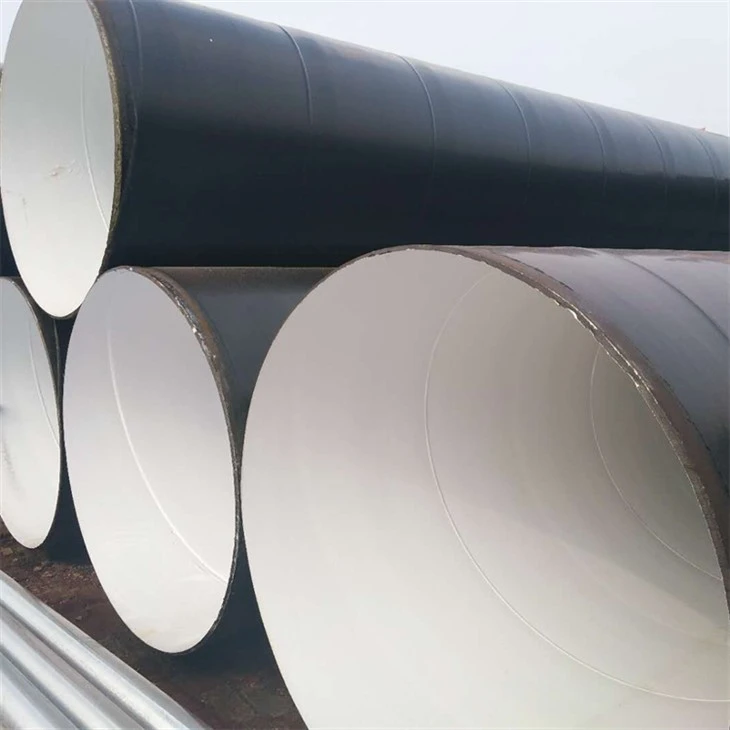
Visual inspection is the most basic and intuitive method to evaluate the anti - corrosion effect of TPEP anti - corrosion steel pipe. First, check the surface of the pipe. A well - anti - corroded TPEP pipe should have a smooth and uniform coating. There should be no obvious cracks, bubbles, peeling, or scratches on the surface. Cracks can expose the steel substrate to the corrosive environment, accelerating the corrosion process. Bubbles may indicate poor adhesion between the coating layers or the presence of impurities during the coating process. Peeling of the coating directly means that the anti - corrosion layer has lost its protective function.
Inspect the edges and joints of the pipe. These areas are often more vulnerable to corrosion due to stress concentration and potential damage during installation. If the coating at the edges and joints is intact and well - bonded, it is a good sign of the pipe's anti - corrosion performance.
2. Adhesion Testing
The adhesion of the TPEP coating to the steel substrate is crucial for its anti - corrosion effect. A strong adhesion can prevent the coating from being easily separated from the steel surface, ensuring long - term protection. There are several methods to test the adhesion of the coating.
One common method is the cross - cut test. In this test, a grid of cuts is made on the coating surface using a sharp blade. Then, a piece of adhesive tape is firmly pressed onto the grid area and quickly peeled off. By observing the amount of coating removed with the tape, the adhesion strength can be evaluated. According to relevant standards, if the coating removal rate is within a certain range, the adhesion is considered acceptable.
Another method is the pull - off test. A pull - off tester is used to apply a perpendicular pulling force to a small circular area of the coating until the coating detaches from the substrate. The force required for detachment is measured, and this value can be used to quantify the adhesion strength.
3. Electrochemical Testing
Electrochemical testing can provide in - depth information about the anti - corrosion performance of TPEP anti - corrosion steel pipe. The most commonly used electrochemical test is the potentiodynamic polarization test. In this test, the pipe is immersed in a simulated corrosive solution, and a potential is applied to the pipe while measuring the current. By analyzing the polarization curve obtained from the test, parameters such as the corrosion potential and corrosion current density can be determined.
A more negative corrosion potential generally indicates a lower tendency of the steel to corrode. The corrosion current density reflects the rate of corrosion. A lower corrosion current density means a slower corrosion rate, indicating better anti - corrosion performance of the TPEP coating.
Electrochemical impedance spectroscopy (EIS) is another powerful electrochemical testing method. It measures the impedance of the coating - steel system at different frequencies. The impedance spectrum can provide information about the coating's resistance, capacitance, and the diffusion process of corrosive substances through the coating. A high - impedance value at low frequencies indicates a good anti - corrosion performance of the coating.
4. Salt Spray Testing
Salt spray testing is a widely used accelerated corrosion test method. In this test, the TPEP anti - corrosion steel pipe samples are placed in a salt spray chamber, where a salt solution (usually a 5% sodium chloride solution) is sprayed onto the samples at a constant temperature and humidity. The samples are exposed to the salt spray environment for a certain period, typically ranging from several hundred to thousands of hours.
After the test, the samples are removed from the chamber and visually inspected for corrosion products such as rust spots. The area and degree of corrosion on the surface are evaluated. If the pipe shows only minor corrosion or no corrosion at all after a long - term salt spray test, it indicates that the TPEP coating has good anti - corrosion performance. However, it should be noted that the salt spray test is an accelerated test, and the results may not fully represent the actual corrosion situation in the real environment.
5. Environmental Simulation Testing
In addition to the salt spray test, environmental simulation testing can be carried out to evaluate the anti - corrosion effect of TPEP anti - corrosion steel pipe under more realistic conditions. For example, if the pipe is intended to be used in a soil environment, a soil burial test can be conducted. The pipe samples are buried in different types of soil with different moisture contents and pH values. After a certain period of burial, the samples are excavated and inspected for corrosion.
If the pipe is used in a high - temperature and high - humidity environment, a high - temperature and high - humidity test can be performed. The samples are placed in a chamber with controlled temperature and humidity conditions for a specific time, and then the anti - corrosion performance is evaluated.
6. Comparison with Other Anti - corrosion Steel Pipes
Comparing TPEP anti - corrosion steel pipe with other types of anti - corrosion steel pipes can also help in evaluating its anti - corrosion effect. There are several other popular anti - corrosion steel pipes in the market, such as Epoxy Resin Anti - corrosion Steel Pipe, Epoxy Coal Tar Anti - corrosion Steel Pipe, and IPN8710 Anti - corrosion Steel Pipe.
By conducting the same anti - corrosion tests on these different types of pipes under the same conditions, their anti - corrosion performances can be compared. This comparison can provide a more comprehensive understanding of the advantages and disadvantages of TPEP anti - corrosion steel pipe. For example, TPEP pipes may have better resistance to mechanical damage compared to some other types of anti - corrosion pipes, while some other pipes may have better chemical resistance in specific corrosive environments.

7. Long - term Monitoring in the Field
The most reliable way to evaluate the anti - corrosion effect of TPEP anti - corrosion steel pipe is through long - term monitoring in the actual application field. Install sensors on the pipes to monitor parameters such as corrosion potential, temperature, and humidity in real - time. By analyzing the long - term data, the actual anti - corrosion performance of the pipes can be accurately evaluated.
Long - term field monitoring can also help identify potential problems that may not be detected in laboratory tests. For example, the interaction between the pipe and the surrounding environment, such as the influence of microorganisms on the corrosion process, can be observed and studied through field monitoring.
Conclusion
Evaluating the anti - corrosion effect of TPEP anti - corrosion steel pipe requires a comprehensive approach. Visual inspection, adhesion testing, electrochemical testing, salt spray testing, environmental simulation testing, comparison with other pipes, and long - term field monitoring are all important methods. As a TPEP Anti - corrosion Steel Pipe supplier, we are committed to providing high - quality products with excellent anti - corrosion performance. If you are interested in our TPEP anti - corrosion steel pipes or have any questions about their anti - corrosion evaluation, please feel free to contact us for procurement and further discussion.
References
- ASTM standards related to anti - corrosion coating testing.
- ISO standards for anti - corrosion performance evaluation of steel pipes.
- Research papers on the anti - corrosion properties of TPEP coatings.


