


Hey there! As a supplier of Epoxy Powder Anti - corrosion Steel Pipe, I've been in this industry for quite a while, and I know how crucial it is to detect the quality of these pipes. In this blog, I'll share some practical ways to figure out whether an Epoxy Powder Anti - corrosion Steel Pipe is up to the mark or not.
1. Visual Inspection
The first step in detecting the quality of an Epoxy Powder Anti - corrosion Steel Pipe is a simple visual check. You don't need any fancy equipment for this one. Just take a good look at the pipe.
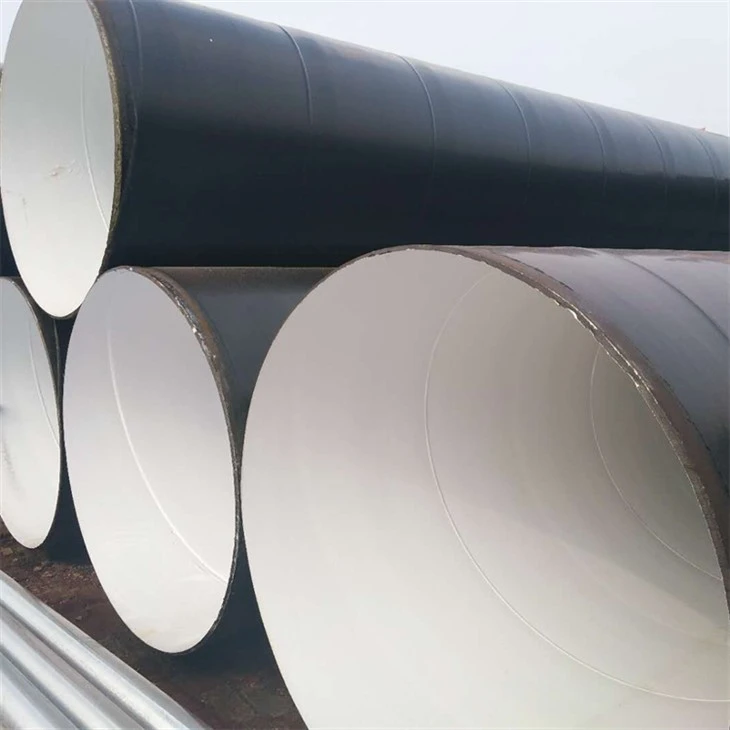
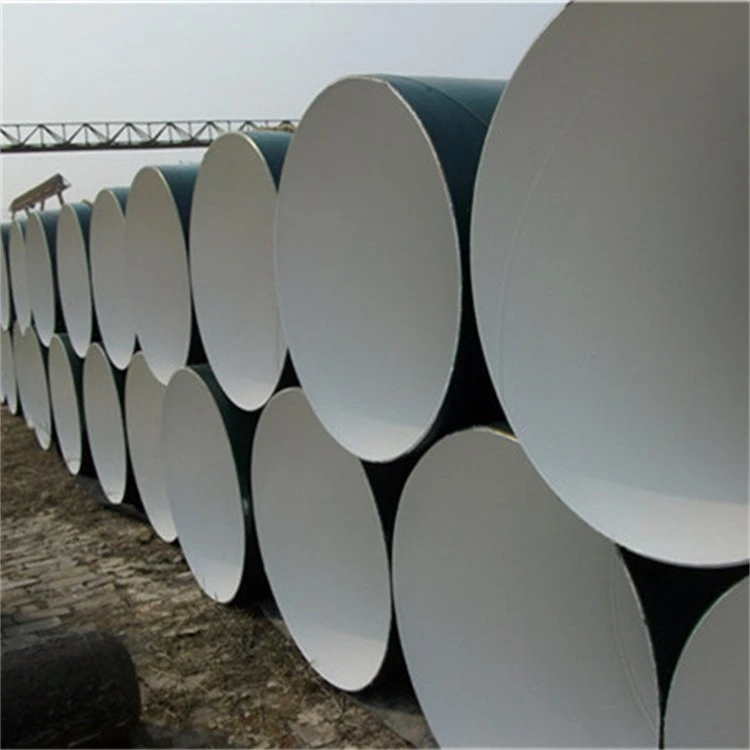
First, check the surface of the pipe. A high - quality Epoxy Powder Anti - corrosion Steel Pipe should have a smooth and uniform coating. There shouldn't be any visible cracks, bubbles, or bumps on the surface. Cracks can expose the underlying steel to corrosion, and bubbles may indicate poor adhesion of the epoxy powder to the pipe.
Also, pay attention to the color of the coating. It should be consistent throughout the pipe. Any discoloration could be a sign of improper curing or the use of low - quality materials. If you see areas that are darker or lighter than the rest, it's a red flag.
2. Adhesion Test
The adhesion of the epoxy powder coating to the steel pipe is super important. If the coating doesn't stick well, it won't provide effective corrosion protection. There are a couple of ways to test adhesion.
One common method is the cross - hatch test. You make a series of parallel cuts on the coating using a sharp blade, then make another set of cuts perpendicular to the first ones, creating a grid pattern. After that, you apply a piece of adhesive tape over the grid and then quickly pull it off. If a large amount of the coating comes off with the tape, the adhesion is poor.
Another way is the impact test. You can use a small hammer to gently tap the pipe at various points. If the coating chips or flakes off easily upon impact, it means the adhesion isn't good. A well - adhered coating should be able to withstand a certain amount of impact without separating from the pipe.
3. Thickness Measurement
The thickness of the epoxy powder coating matters a lot. If the coating is too thin, it won't offer sufficient protection against corrosion. On the other hand, an overly thick coating can be wasteful and may also have issues with adhesion.
You can use a coating thickness gauge to measure the thickness of the epoxy powder coating. This is a handy tool that can give you an accurate reading. Make sure to take measurements at multiple points along the pipe to get an average. Most industry standards specify a certain range of coating thickness for Epoxy Powder Anti - corrosion Steel Pipes. If the thickness falls outside this range, it could be a problem.
4. Chemical Resistance Test
Epoxy Powder Anti - corrosion Steel Pipes are often used in environments where they may come into contact with various chemicals. So, it's important to test the chemical resistance of the coating.
You can soak a small sample of the coated pipe in a solution of a common chemical that the pipe is likely to encounter in its intended use. For example, if the pipe will be used in a water treatment plant, you might soak it in a diluted acid or alkaline solution. After a certain period, check the coating for any signs of degradation, such as swelling, softening, or discoloration.
If the coating shows significant damage after the chemical exposure, it means it may not be suitable for the intended application. A high - quality coating should be able to resist the effects of the chemicals it's likely to face.
5. Impact and Flexibility Tests
In real - world applications, Epoxy Powder Anti - corrosion Steel Pipes may experience impacts and bending. So, they need to be able to withstand these forces without damaging the coating.
For the impact test, as I mentioned earlier, you can use a small hammer. But you can also use a more controlled impact tester if you have one. The pipe should be able to withstand a certain level of impact without the coating cracking or peeling.
The flexibility test is about seeing how well the coating can bend with the pipe. You can bend a small section of the pipe slightly and then check the coating for any signs of damage. A good coating should be flexible enough to bend with the pipe without breaking.
6. Hardness Test
The hardness of the epoxy powder coating can also tell you a lot about its quality. A harder coating is generally more resistant to abrasion and wear.
You can use a hardness tester, such as a pencil hardness tester. You try to scratch the coating with pencils of different hardness levels. If a softer - lead pencil can scratch the coating easily, it means the coating is relatively soft and may not be very durable. A high - quality coating should be able to withstand scratching from pencils of a certain hardness.
7. Comparison with Standards
It's always a good idea to compare the Epoxy Powder Anti - corrosion Steel Pipe you're testing with relevant industry standards. There are international and national standards that specify the requirements for these pipes, including things like coating thickness, adhesion, chemical resistance, etc.
If the pipe meets or exceeds these standards, it's a good indication of its quality. You can find these standards online or from industry associations. Make sure to check the latest versions of the standards because they may be updated over time.
8. Consider the Manufacturer's Reputation
Last but not least, the reputation of the manufacturer matters. A well - established and reputable manufacturer is more likely to produce high - quality Epoxy Powder Anti - corrosion Steel Pipes.
You can look for reviews and feedback from other customers who have used the pipes from a particular manufacturer. Check if they have any certifications or awards related to quality control. A manufacturer with a good track record is more likely to use high - quality materials and follow proper manufacturing processes.
Now, if you're in the market for Epoxy Powder Anti - corrosion Steel Pipes, you might also be interested in other types of anti - corrosion steel pipes, such as Epoxy Coal Tar Anti - corrosion Steel Pipe, IPN8710 Anti - corrosion Steel Pipe, and Epoxy Resin Anti - corrosion Steel Pipe. Each type has its own characteristics and is suitable for different applications.
If you're thinking about making a purchase, I'd love to have a chat with you. We can discuss your specific requirements and figure out the best solution for your project. Whether you need a small quantity or a large order, we're here to help. Don't hesitate to reach out and start the procurement negotiation.
References
- ASTM International. "Standard Test Methods for Evaluating the Adhesion of Organic Coatings to Metal Substrates."
- ISO Standards. "International Standards for Anti - corrosion Steel Pipes."
So, there you have it! These are some of the key ways to detect the quality of Epoxy Powder Anti - corrosion Steel Pipes. I hope this blog has been helpful to you. If you have any questions or need more information, feel free to drop me a line.


