


As a supplier of FBE Anti - corrosion Steel Pipe, I often get asked how our FBE pipes stack up against PE - coated steel pipes. So, I thought I'd dive into the details and share my insights on this topic.
1. Basics of FBE and PE - coated Steel Pipes
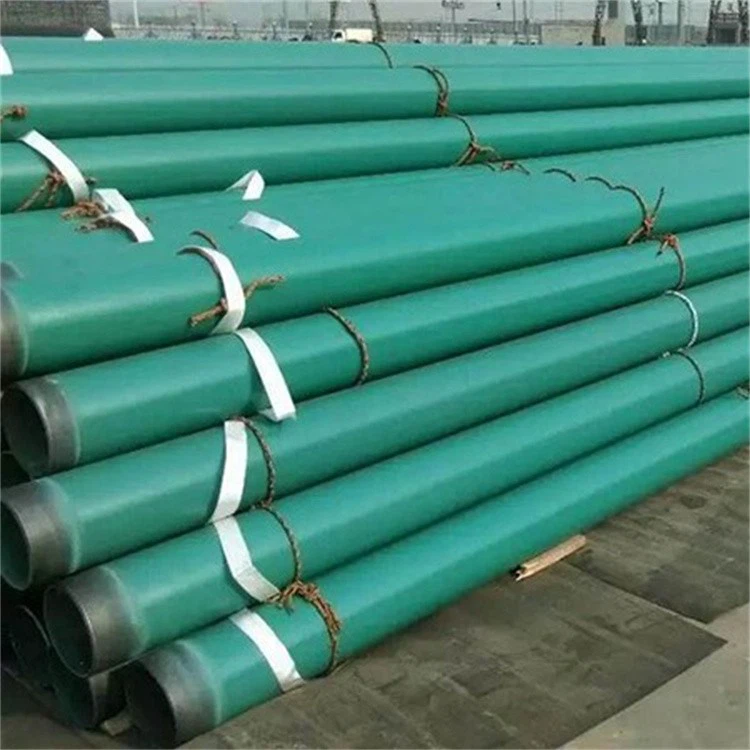
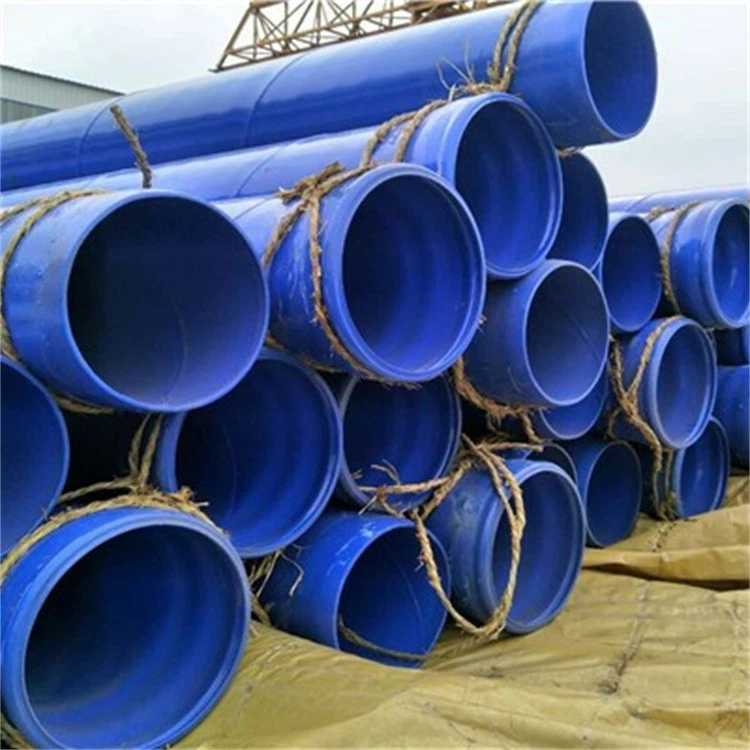
Let's start with a brief introduction to both types of pipes. FBE, or Fusion - Bonded Epoxy, is a powder coating that is applied to steel pipes. When heated, the epoxy powder melts and fuses to the steel surface, forming a hard, protective layer. You can find more about Epoxy Powder Anti - corrosion Steel Pipe here. On the other hand, PE - coated steel pipes have a layer of polyethylene (PE) applied to the steel. PE is a thermoplastic material that provides a different set of properties.
2. Adhesion
One of the key advantages of FBE Anti - corrosion Steel Pipe is its excellent adhesion to the steel substrate. The fusion - bonding process creates a strong chemical bond between the epoxy and the steel. This means that the coating is less likely to peel or delaminate, even under harsh environmental conditions. In contrast, PE coatings rely more on mechanical adhesion. While modern PE coating techniques have improved adhesion, in high - stress situations, like when the pipe is bent or subjected to temperature fluctuations, the PE coating may be more prone to separation. You can check out more about FBE pipes here.
3. Durability
In terms of long - term durability, FBE pipes have a good track record. The epoxy coating is resistant to a wide range of chemicals, including acids, alkalis, and salts. This makes FBE pipes suitable for use in many different industries, such as oil and gas, water treatment, and even industrial plumbing. PE coatings are also durable but may have some limitations. For example, they can be damaged by certain solvents and may not perform as well in environments with high UV exposure without proper additives.
4. Abrasion Resistance
When it comes to abrasion resistance, FBE and PE - coated pipes have different characteristics. FBE coatings are relatively hard and can withstand a fair amount of abrasion during installation and use. However, if the pipe is going to be in an environment with a lot of abrasive materials, like in a mining operation or a slurry pipeline, PE - coated pipes may be a better choice. PE is more flexible and can absorb some of the impact from abrasive particles, reducing the risk of coating damage.
5. Temperature Resistance
FBE Anti - corrosion Steel Pipe has a higher temperature resistance compared to PE - coated pipes. FBE coatings can typically withstand temperatures up to around 110 - 130°C (230 - 266°F), depending on the specific formulation. PE coatings, on the other hand, start to soften at much lower temperatures, usually around 60 - 80°C (140 - 176°F). So, if your application involves high - temperature fluids or environments, FBE pipes are likely the way to go.
6. Cost
Cost is always an important factor in any procurement decision. Generally, FBE coatings tend to be more cost - effective for small - to medium - diameter pipes. The application process for FBE is relatively straightforward and can be automated, which helps keep costs down. PE coatings, especially for large - diameter pipes, can sometimes be more expensive due to the additional materials and more complex application methods. However, it's important to consider the total cost of ownership, including installation, maintenance, and expected lifespan.
7. Installation Considerations
During installation, both types of pipes have their own quirks. FBE - coated pipes need to be handled carefully to avoid chipping the coating. If the coating is damaged, it needs to be repaired on - site to prevent corrosion. PE - coated pipes are more forgiving in terms of handling. They can withstand a bit more rough treatment during installation, but they also require proper jointing techniques to ensure the integrity of the coating along the entire pipe length. You can learn about another type of anti - corrosion pipe, the Cement Mortar Anti - corrosion Steel Pipe here, which also has its own installation requirements.
8. Environmental Impact
In today's world, environmental impact is a big concern. FBE coatings are generally considered more environmentally friendly than PE coatings. The application of FBE does not involve the use of solvents, which means there are no volatile organic compounds (VOCs) released into the atmosphere. PE production, on the other hand, requires the use of fossil fuels, and the disposal of PE - coated pipes at the end of their life can be more of an environmental challenge.
9. Conclusion
So, which one is better, FBE Anti - corrosion Steel Pipe or PE - coated steel pipes? Well, it really depends on your specific application. If you need a pipe with excellent adhesion, high temperature resistance, and good chemical resistance, and your budget allows, FBE pipes are a great option. If your application involves a lot of abrasion, lower temperature requirements, and you're willing to pay a bit more for the flexibility and ease of handling during installation, PE - coated pipes might be the way to go.
As a supplier of FBE Anti - corrosion Steel Pipe, I'm always happy to help you make the right choice. Whether you're working on a small - scale project or a large industrial installation, we can provide you with high - quality FBE pipes and the support you need. If you're interested in learning more or discussing a potential purchase, feel free to reach out. We're here to answer your questions and help you find the best solution for your needs.
References
- "Corrosion Protection of Steel Pipes: A Comprehensive Guide", Industry Press, 2020
- "Advances in Pipe Coating Technologies", Journal of Materials and Engineering, Vol. 15, 2021


