


As a supplier of TPEP Anti-corrosion Steel Pipe, I often encounter inquiries from customers in various regions, including those in cold areas. One of the most common questions is whether TPEP anti - corrosion steel pipe can be used in cold regions. In this blog, I will delve into this topic, exploring the properties of TPEP anti - corrosion steel pipe and its suitability for cold - climate applications.
Understanding TPEP Anti - corrosion Steel Pipe
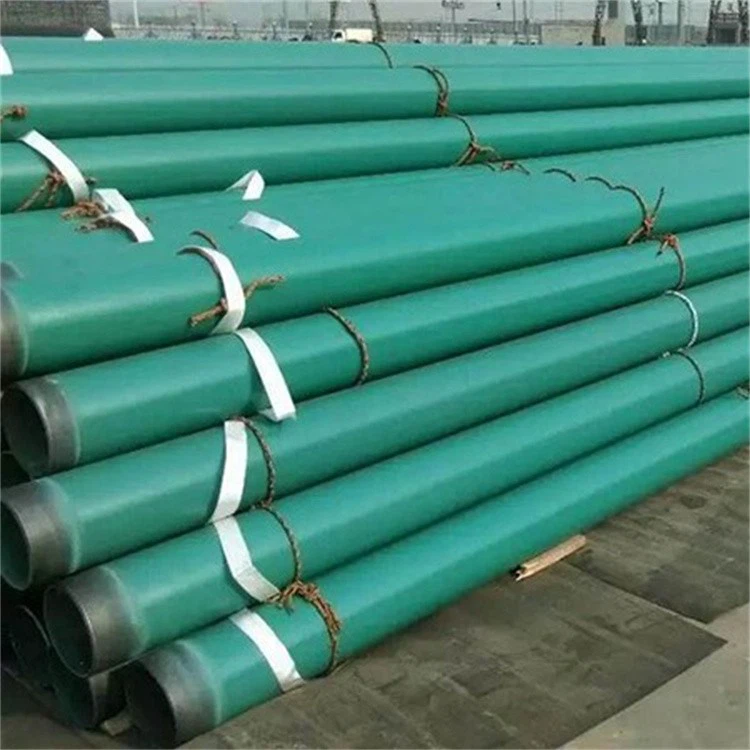
TPEP (Three - layer Polyethylene) Anti - corrosion Steel Pipe is a type of steel pipe with a high - performance anti - corrosion coating. The coating consists of three layers: an epoxy powder primer, a copolymer adhesive layer, and a polyethylene outer layer. This three - layer structure provides excellent protection against corrosion, mechanical damage, and environmental factors.
The epoxy powder primer, which is the innermost layer, has strong adhesion to the steel surface. It forms a tight bond with the steel, preventing moisture and corrosive substances from reaching the metal. The copolymer adhesive layer acts as a bridge between the epoxy powder primer and the polyethylene outer layer. It ensures good adhesion between the two layers, enhancing the overall integrity of the coating. The polyethylene outer layer is tough and resistant to abrasion, impact, and UV radiation. It provides a physical barrier that shields the steel pipe from external damage. You can learn more about TPEP Anti - corrosion Steel Pipe on our website.
Challenges in Cold Regions
Cold regions present unique challenges for the use of steel pipes. Low temperatures can cause the material to become brittle, increasing the risk of cracking and failure. In addition, freezing and thawing cycles can exert significant stress on the pipes, leading to mechanical damage. Snow, ice, and frost can also accumulate on the pipes, adding extra weight and potentially causing deformation.
Moreover, in cold regions, the soil may freeze, which can lead to ground heaving. This movement of the ground can put pressure on the buried pipes, causing them to bend or break. The presence of salt on roads and in the environment, used for de - icing purposes, can also accelerate the corrosion process of steel pipes.
Performance of TPEP Anti - corrosion Steel Pipe in Cold Regions
Low - Temperature Resistance
The polyethylene outer layer of TPEP anti - corrosion steel pipe has good low - temperature resistance. Polyethylene is a thermoplastic polymer that can maintain its flexibility and toughness even at extremely low temperatures. This means that the pipe is less likely to crack or become brittle in cold conditions. The epoxy powder primer also has relatively good low - temperature performance, as it can maintain its adhesion to the steel surface under cold temperatures.
Resistance to Freezing and Thawing Cycles
The three - layer structure of TPEP anti - corrosion steel pipe provides excellent resistance to freezing and thawing cycles. The polyethylene outer layer can absorb the stress caused by the expansion and contraction of water during freezing and thawing. The adhesive layer ensures that the different layers of the coating remain bonded together, preventing delamination. As a result, the pipe can withstand repeated freezing and thawing cycles without significant damage.
Protection Against Ground Movement
In cold regions, ground movement due to freezing and thawing can be a major concern for buried pipes. The tough polyethylene outer layer of TPEP anti - corrosion steel pipe can resist the pressure exerted by the moving ground. It acts as a buffer, protecting the steel pipe from bending or breaking. The anti - corrosion coating also helps to prevent the steel from corroding due to the increased stress caused by ground movement.
Resistance to Salt Corrosion
As mentioned earlier, the use of salt for de - icing in cold regions can accelerate the corrosion of steel pipes. The TPEP anti - corrosion coating provides a reliable barrier against salt corrosion. The polyethylene outer layer is impermeable to salt and other corrosive substances, preventing them from reaching the steel surface. The epoxy powder primer further enhances the anti - corrosion performance by providing a chemical barrier.

Comparison with Other Anti - corrosion Steel Pipes
FBE Anti - corrosion Steel Pipe
FBE (Fusion - Bonded Epoxy) Anti - corrosion Steel Pipe is another popular type of anti - corrosion steel pipe. FBE coating is a single - layer epoxy powder coating that is applied to the steel surface by electrostatic spraying. While FBE coating provides good corrosion protection, it has some limitations in cold regions. FBE coating can be more brittle than the TPEP coating at low temperatures, increasing the risk of cracking. The TPEP coating, with its polyethylene outer layer, offers better flexibility and impact resistance in cold conditions.
Epoxy Powder Anti - corrosion Steel Pipe
Epoxy Powder Anti - corrosion Steel Pipe is similar to FBE anti - corrosion steel pipe in that it uses an epoxy powder coating. However, like FBE, the epoxy powder coating alone may not be sufficient to withstand the harsh conditions in cold regions. The TPEP coating, with its multi - layer structure, provides better protection against mechanical damage, low - temperature brittleness, and corrosion.
Case Studies
There have been several successful applications of TPEP anti - corrosion steel pipes in cold regions. For example, in some northern cities, TPEP anti - corrosion steel pipes have been used for water supply and drainage systems. These pipes have withstood the cold winters and the associated challenges, such as freezing and thawing cycles and ground movement. The anti - corrosion coating has effectively protected the steel pipes from corrosion, ensuring the long - term reliability of the systems.
In another case, TPEP anti - corrosion steel pipes were used in an oil and gas pipeline project in a cold mountainous area. The pipes were able to resist the low temperatures, the impact of snow and ice, and the potential corrosion from the surrounding environment. The project has been operating smoothly, demonstrating the suitability of TPEP anti - corrosion steel pipes for cold - region applications.
Conclusion
Based on the above analysis, TPEP anti - corrosion steel pipe can indeed be used in cold regions. Its low - temperature resistance, ability to withstand freezing and thawing cycles, protection against ground movement, and resistance to salt corrosion make it a suitable choice for various applications in cold climates. Compared with other anti - corrosion steel pipes, TPEP anti - corrosion steel pipe offers better performance in cold - region conditions.
If you are considering using steel pipes in a cold - region project, I highly recommend TPEP anti - corrosion steel pipe. Our company has extensive experience in supplying high - quality TPEP anti - corrosion steel pipes. We can provide you with the right products and technical support to ensure the success of your project. If you have any questions or would like to discuss your procurement needs, please feel free to contact us. We look forward to the opportunity to work with you.
References
- ASTM International. (Year). Standard specifications for anti - corrosion coatings on steel pipes.
- Industry reports on the performance of different anti - corrosion steel pipes in cold regions.
- Technical documents provided by the manufacturers of TPEP, FBE, and epoxy powder anti - corrosion steel pipes.


