


Can FBE Anti - corrosion Steel Pipe be used in shipbuilding?
As a supplier of FBE (Fusion - Bonded Epoxy) Anti - corrosion Steel Pipe, I often get asked about the applicability of our products in various industries, especially shipbuilding. In this blog post, I'll delve into the details to explore whether FBE Anti - corrosion Steel Pipe can be used in shipbuilding.
Understanding FBE Anti - corrosion Steel Pipe
FBE Anti - corrosion Steel Pipe is a type of steel pipe that has been coated with a fusion - bonded epoxy powder. This coating process involves heating the steel pipe to a specific temperature and then spraying the epoxy powder onto the surface. The powder melts and fuses with the steel, forming a hard, continuous, and highly adherent coating.
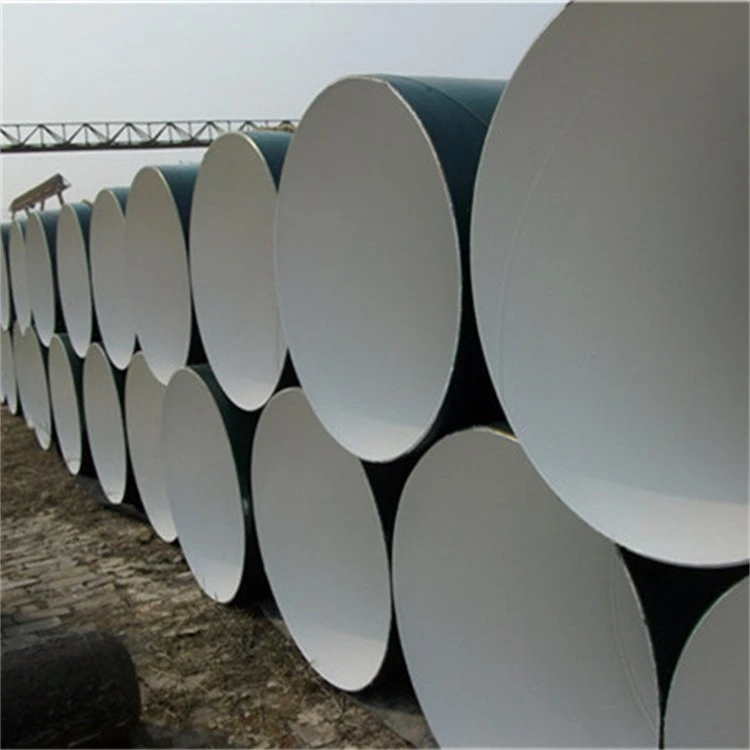

The FBE coating offers several key advantages. Firstly, it provides excellent corrosion resistance. The epoxy coating acts as a barrier, preventing moisture, oxygen, and other corrosive substances from reaching the steel surface. This significantly extends the service life of the steel pipe, reducing the need for frequent replacements and maintenance. Secondly, FBE coatings have good mechanical properties. They are resistant to abrasion, impact, and cracking, which means the coated pipes can withstand the rigors of handling, installation, and operation.
Requirements in Shipbuilding
Shipbuilding is a highly demanding industry with strict requirements for materials. The marine environment is extremely harsh, with factors such as saltwater, high humidity, and strong winds posing significant challenges to the durability of ship components. Pipes used in ships are responsible for various functions, including transporting water, fuel, and other fluids. Therefore, they need to be corrosion - resistant, strong, and reliable.
In addition to corrosion resistance, pipes in shipbuilding also need to meet certain standards for fire resistance, toxicity, and environmental friendliness. For example, in areas where there is a risk of fire, pipes should have a certain level of fire - retardant properties to prevent the spread of fire. And considering the long - term operation of ships in the ocean, the materials used should not release harmful substances that could damage the marine ecosystem.
Suitability of FBE Anti - corrosion Steel Pipe for Shipbuilding
- Corrosion Resistance
The excellent corrosion resistance of FBE Anti - corrosion Steel Pipe makes it a strong candidate for shipbuilding. Saltwater is one of the most corrosive substances, and the FBE coating can effectively protect the steel pipe from the corrosive effects of saltwater. This is crucial for pipes used in ballast water systems, seawater cooling systems, and other areas where they are in direct contact with saltwater. - Mechanical Properties
Ships are constantly in motion, and the pipes on board need to withstand vibrations, shocks, and impacts. The good mechanical properties of FBE - coated pipes, such as their resistance to abrasion and cracking, make them suitable for the dynamic environment of a ship. They can maintain their integrity even under harsh operating conditions, reducing the risk of pipe failure. - Limitations
However, FBE Anti - corrosion Steel Pipe also has some limitations in shipbuilding. One of the main concerns is its relatively poor resistance to cathodic disbondment. In a cathodic protection system, which is commonly used in ships to prevent corrosion of steel structures, the FBE coating may experience disbondment over time due to the electrochemical reactions. This could potentially expose the steel surface to the corrosive environment, reducing the effectiveness of the anti - corrosion protection.
Another aspect is the fire - resistance issue. While FBE coatings can provide some degree of protection, they may not meet the strict fire - resistance requirements in certain areas of the ship, such as engine rooms. Special fire - retardant coatings or alternative pipe materials may be needed in these high - risk areas.
Comparison with Other Anti - corrosion Steel Pipes
- IPN8710 Anti - corrosion Steel Pipe
IPN8710 Anti - corrosion Steel Pipe uses an interpenetrating polymer network coating. It has good adhesion and flexibility, and it can be used in both freshwater and saltwater environments. Compared with FBE Anti - corrosion Steel Pipe, IPN8710 may have better resistance to cathodic disbondment in some cases. However, its mechanical properties, such as abrasion resistance, may not be as good as those of FBE - coated pipes. - 3PE Anti - corrosion Steel Pipe
3PE Anti - corrosion Steel Pipe consists of three layers: an epoxy powder primer, an adhesive layer, and a polyethylene outer layer. This multi - layer structure provides excellent corrosion resistance and mechanical properties. It has better resistance to cathodic disbondment compared to FBE Anti - corrosion Steel Pipe. However, the 3PE coating process is more complex and costly, which may be a factor to consider in shipbuilding projects with budget constraints. - Epoxy Coal Tar Anti - corrosion Steel Pipe
Epoxy coal tar coatings are known for their excellent corrosion resistance in the marine environment. They are also relatively inexpensive. However, they may have some environmental and toxicity issues, as coal tar contains polycyclic aromatic hydrocarbons (PAHs) which are potentially harmful to the environment and human health. In contrast, FBE coatings are generally considered more environmentally friendly.
Conclusion
In conclusion, FBE Anti - corrosion Steel Pipe has both advantages and limitations when it comes to shipbuilding. Its excellent corrosion resistance and good mechanical properties make it a viable option for many applications in ships, especially in areas where corrosion protection is the primary concern. However, due to its limitations in cathodic disbondment resistance and fire - retardant properties, it may need to be used in combination with other materials or technologies to meet all the requirements in shipbuilding.
If you are involved in a shipbuilding project and are considering using FBE Anti - corrosion Steel Pipe or other anti - corrosion pipe solutions, I encourage you to contact us for a detailed discussion. Our team of experts can provide you with professional advice and customized solutions based on your specific needs. We are committed to providing high - quality products and excellent service to help you achieve the best results in your shipbuilding projects.
References
- ASTM International. "ASTM Standards for Steel Pipes and Coatings." ASTM Manual Series.
- International Maritime Organization (IMO). "Marine Equipment Standards and Guidelines." IMO Publications.
- Shipbuilding Industry Association. "Best Practices in Ship Material Selection." Industry Reports.


