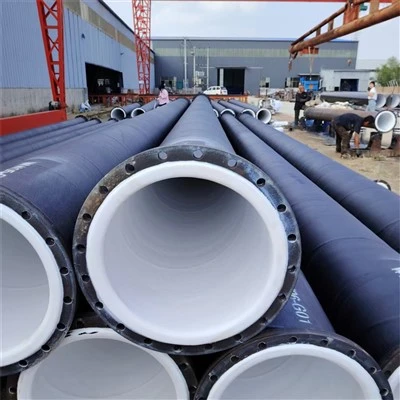
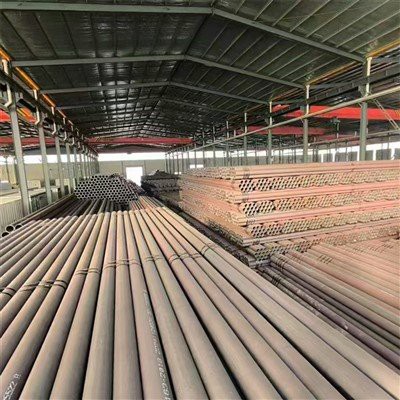
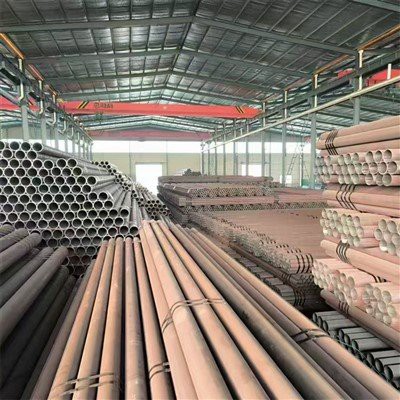
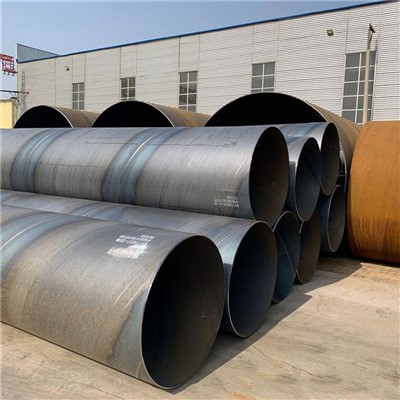
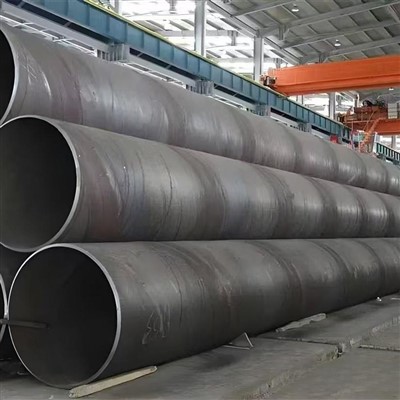
For buried heat pipelines, the pipe structure must control heat loss and keep water away from the insulation. A common design uses a steel carrier pipe, PU foam and a glass fiber reinforced plastic outside cover. The steel part carries hot water or process fluid. The foam slows heat transfer. The outside cover protects the insulation while the pipe is stored, lifted, laid in the trench and covered with soil.
Material data should be checked before an order is placed. Q235B and Q345B steel are both used in the reference material, and the carrier pipe may be seamless or spiral welded. For the insulation layer, the useful points are closed-cell content and thermal value: the foam can be specified at 92 percent closed cells or higher, with thermal conductivity not over 0.033 W/(m.K). Where the soil is wet, corrosive or hotter than usual, the FRP jacket can be specified at 3 mm or more to give the foam better outside protection.
The drawing should list the outside diameter, steel wall thickness, insulation wall, pipe length and end form. These details matter because the product is not only a pipe. It is a combined pipe body with a carrier layer, an insulation layer and a protective shell. Clear data helps the factory choose the foam thickness, wrap strength and joint sealing method for the actual route, instead of making a general insulated pipe that may not fit the project.