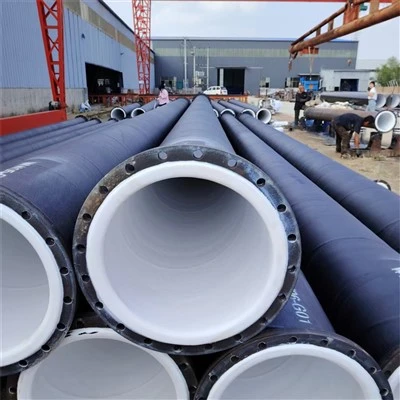
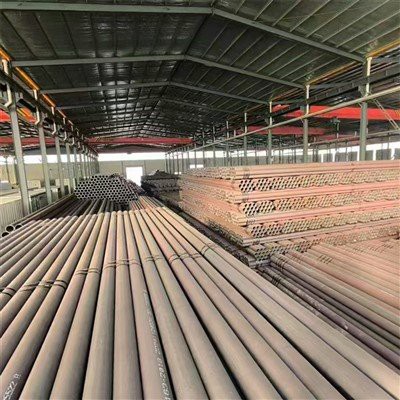
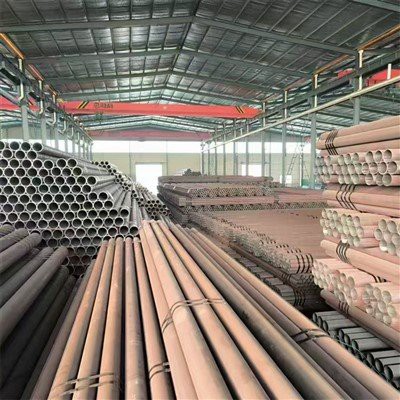
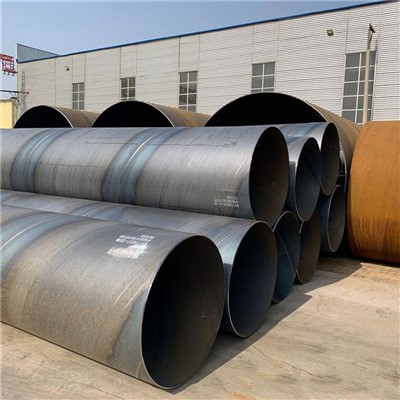
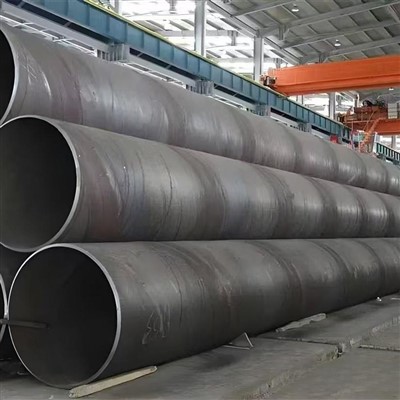
Pipeline projects often combine several requirements in one order. A heating line may need insulation. A buried water line may need external anti-corrosion. A process pipe may need inner wall protection. Spiral welded pipe may be required when the diameter is large. Because of this, the material description should not stop at a general pipe name. Each layer and each process should be named clearly before production starts.
For insulated steel pipe, the working pipe, foam layer, and outside jacket should be matched together. For FBE coated pipe, the coating side, thickness, and surface preparation should be confirmed. For spiral welded pipe, the forming method, weld inspection, wall thickness, and diameter range are the main items. The reference material gives useful figures such as a foam closed cell rate of 92 percent or higher, FRP sheath thickness at least 3 mm, weld gap control from 1 to 3 mm, and large diameter wall thickness between 8 mm and 25 mm or thicker.
Good project communication uses measured data. Diameter, wall thickness, length, coating system, medium, temperature, laying method, and inspection requirement should be included in the inquiry. This helps the factory prepare the right product route and helps the buyer compare quotations with the same technical basis.