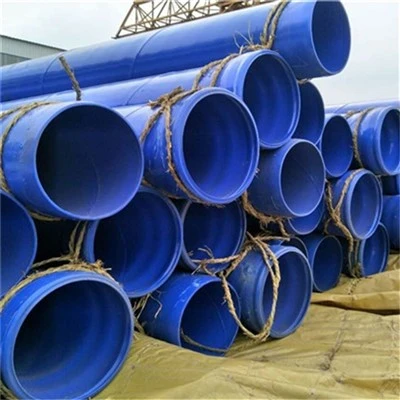
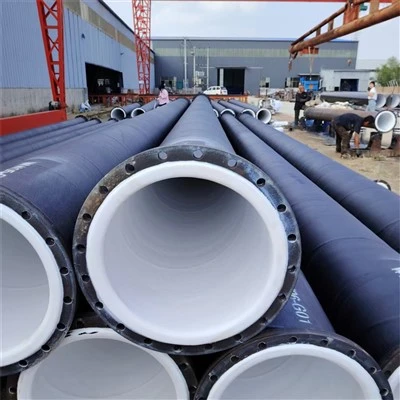
As a key composite pipe material in modern pipeline engineering, plastic-coated steel pipes are widely used in water supply and drainage, fire protection, and power generation due to their corrosion resistance, wear resistance, and pressure resistance. With the deepening of international trade, cross-border logistics demand for plastic-coated steel pipes has increased significantly, and professional management during transportation directly impacts product quality and delivery efficiency.
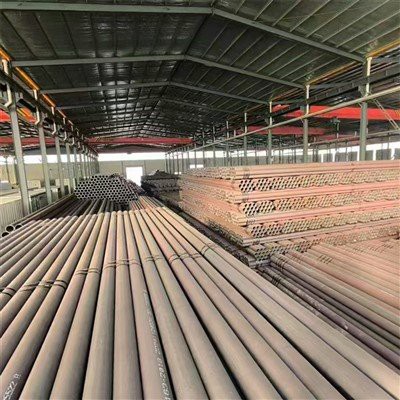
The logistics characteristics of plastic-coated steel pipes are primarily reflected in their structural complexity. The pipes consist of a plastic coating on the outside and a metal matrix on the inside. This composite structure is sensitive to shock, compression, and humidity. During transportation, improper stacking or inadequate securing can easily lead to scratches on the coating, deformation of the pipe, and even loosening of joints. Therefore, physical protection of the product must be prioritized during logistics, such as using customized pallets for securing, isolated stacking in layers, and the use of wrapping film or cushioning materials to reduce vibration damage.
The choice of transportation method directly affects the cost and risk of plastic-coated steel pipes. Ocean shipping is the mainstream method for bulk international trade, but the long shipping times and high humidity require special attention to moisture-proof packaging. Steel pipes are typically wrapped in moisture-proof paper, covered with waterproof plastic film, and contain desiccant inside the container to control humidity. Rail transport is highly efficient for land trade routes such as those in Central Asia and Europe, but it often involves bumpy sections, requiring enhanced pipe securing. Road transport is suitable for shorter-distance deliveries and offers flexibility, but it must also avoid impacts from sharp turns and sudden braking.
Loading and unloading are high-risk areas for logistics. Plastic-coated steel pipes are heavy and long, so lifting requires the use of specialized slings or balance beams, and direct contact of wire rope with the coating surface is prohibited. Ports, warehouses, and other locations should be equipped with specialized equipment to prevent manual dragging that could cause wear on the pipes. Furthermore, customs clearance documentation for international transport must be complete, including material certification and coating composition information. Some countries have environmental restrictions on chemical substances in plastic coatings, requiring advance verification of compliance requirements.
Currently, with the advancement of the Belt and Road Initiative, cross-border logistics demand for plastic-coated steel pipes continues to grow. Optimizing packaging design, selecting reliable transport partners, and strictly controlling loading and unloading processes are key to ensuring the efficient delivery of plastic-coated steel pipes. Foreign trade companies need to develop targeted logistics plans based on the transportation conditions and regulatory requirements of the destination country to improve customer satisfaction and reduce trade risks.