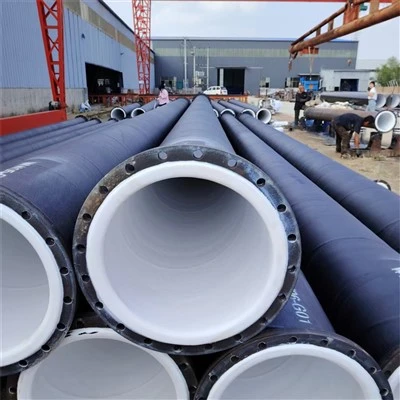
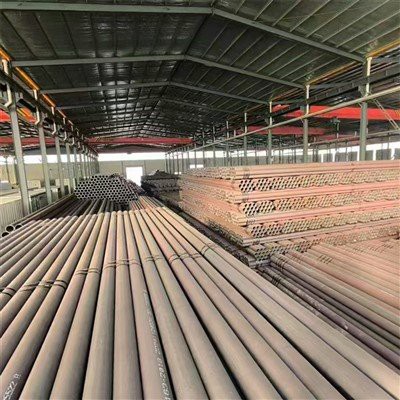
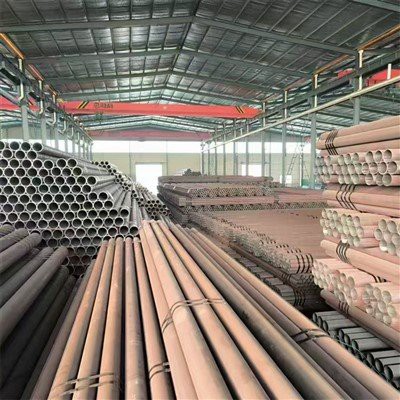
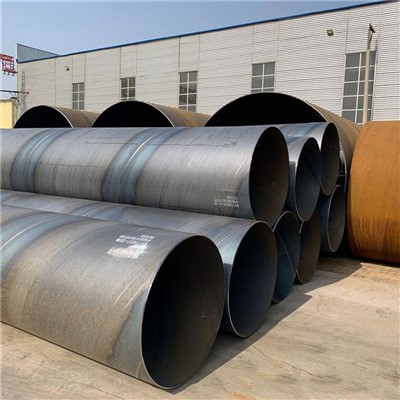
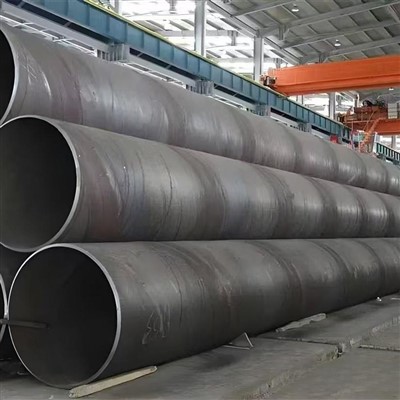
Spiral steel pipe, as an important industrial building material, is widely used in the oil, gas, water conservancy, and construction sectors. Its logistical properties directly impact transportation efficiency, cost, and safety, making it crucial to thoroughly analyze its logistics characteristics and optimize its transportation management.
I. The Impact of Spiral Steel Pipe's Physical Properties on Logistics
Spiral steel pipe typically features large diameters (up to several meters), long lengths (a single pipe can reach 12 meters or even longer), and heavy weights (up to hundreds of kilograms per meter). These physical characteristics determine its unique characteristics in logistics:Volume and Weight Limitations: Spiral steel pipe's large size and weight make it difficult to transport via conventional freight transport. It typically requires specialized vehicles (such as low-bed trailers) or rail or water transport.
Vulnerability: Despite its inherent strength, improperly secured steel pipe during transportation can easily cause deformation or damage to the anti-corrosion coating due to bumps and collisions, impacting its performance. Stacking and Storage Requirements: Spiral steel pipes must be properly stacked during storage and transportation to prevent tipping or crushing due to an unstable center of gravity or uneven load distribution.
II. Main Logistics Methods for Spiral Steel Pipes
1. Road Transport
Road transport is the most common short-distance transport method for spiral steel pipes, suitable for construction site delivery or delivery to nearby areas. Due to pipe length and weight restrictions, the following methods are commonly used:
Lowbed semi-trailers: They can carry extra-long pipes, but are significantly affected by road height and width restrictions.
Specialized frame trucks: Customized designs ensure secure pipe positioning and reduce transportation risks.
2. Rail Transport
Rail transport is suitable for medium- and long-distance transport of large quantities of spiral steel pipes, offering the advantages of high capacity and low costs. However, please note:
Railway Loading Restrictions: Pipe length and weight must comply with rail transport standards, and pipes must be transported in sections if necessary.
Loading and Unloading Efficiency: Railway stations must be equipped with specialized lifting equipment to improve loading and unloading efficiency.
3. Water Transportation
For long-distance or export shipments of spiral steel pipes, water transportation (such as sea or inland waterways) is the most economical method. Commonly used methods include:
Container transportation: Suitable for small-diameter steel pipes, while large-diameter steel pipes require bulk carriers or flatbed vessels.
Roll-on/roll-off vessels or heavy-lift vessels: Suitable for extra-long and extra-heavy steel pipes, but require higher port handling capacity.
III. Key Management Points for Spiral Steel Pipe Logistics
Packaging and Protection: To prevent wear and corrosion during transportation, spiral steel pipes are typically strapped with non-slip skids and steel strapping and sprayed with an anti-rust coating.
Securing and Reinforcement: Professional lashing methods must be used during transportation to prevent the pipes from sliding or capsizing on vehicles or vessels.
Information Management: Leverage IoT technologies (such as GPS tracking and RFID tags) to monitor transportation status in real time and improve logistics transparency.
Compliance and Safety: Strictly adhere to road, rail, and waterway transportation regulations, ensuring approval and escort measures for oversized shipments are in place. IV. Recommendations for Optimizing Spiral Steel Pipe Logistics
Standardized Transportation Plans: Develop standardized loading and securing plans based on the different specifications of spiral steel pipe to improve transportation efficiency.
Intermodal Transport: Utilize the advantages of road, rail, and water transportation, adopting a "door-to-door" intermodal transport model to reduce overall logistics costs.
Intelligent Scheduling: Utilize big data analytics to optimize transportation routes, reduce empty loads, and improve logistics efficiency.
Conclusion
Spiral steel pipe logistics management is a systematic project, involving multiple steps, including transportation method selection, packaging and reinforcement, and information-based monitoring. Only by fully understanding its logistics characteristics and implementing scientific transportation management measures can we ensure the efficient and safe flow of spiral steel pipe within the supply chain, thereby meeting the needs of construction projects.