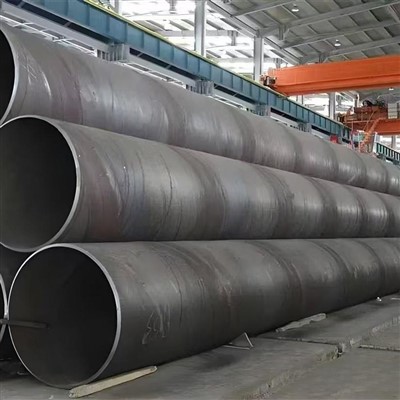
As an indispensable foundational material in modern industry and construction, basic steel pipes have a wide range of applications and diverse functions, covering key areas from infrastructure construction to machinery manufacturing. This article will begin with the definition of basic steel pipe and gradually explore its specific application scope, technical characteristics, and core role in different industries.
I. Definition and Classification of Basic Steel Pipes
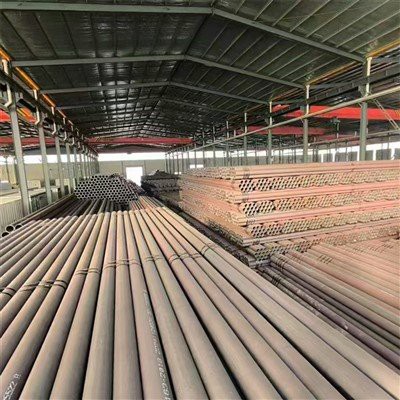
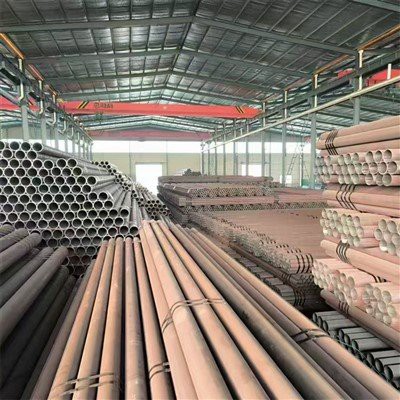
Basic steel pipes generally refer to metal pipes used for supporting structures, conveying fluids, or as mechanical components. They are primarily made of carbon steel, alloy steel, or stainless steel. Based on the production process, they can be divided into two categories: seamless steel pipes and welded steel pipes. Seamless steel pipes are formed through hot rolling or cold drawing processes and have high strength and pressure resistance. They are commonly used for high-pressure fluid transportation or mechanical structures. Welded steel pipes are formed by crimping and welding sheet materials. They are relatively low-cost and widely used for low-pressure fluid transportation or building frames.
Based on their application, basic steel pipes can be further subdivided into structural steel pipes (such as building scaffolding pipes), fluid conveying steel pipes (such as oil and gas pipelines), and machining steel pipes (such as pipes for hydraulic cylinders). This classification directly determines material selection, wall thickness design, and surface treatment.
II. Core Applications of Foundation Steel Pipe
1. Construction and Civil Engineering
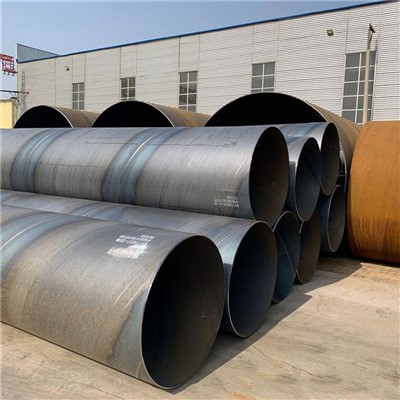
In the construction sector, foundation steel pipe is most commonly used as scaffolding, formwork support, and structural framing. Its high strength and weldability make it an ideal choice for temporary or permanent support structures. For example, the fastener-type steel pipe scaffolding widely used in high-rise building construction relies on the load-bearing capacity and stability of steel pipe to ensure construction safety. Large-diameter steel pipe is also used in civil engineering projects such as bridge pile foundations and tunnel supports, bearing enormous earth pressure and dynamic loads.
2. Oil and Gas Industry
The primary application of steel pipe in the energy sector is high-pressure fluid transportation. In oil and gas field development, long-distance pipeline systems from wellheads to refineries rely almost entirely on high-strength steel pipe. This type of steel pipe must meet stringent requirements such as corrosion resistance (such as API 5L standards), high-pressure resistance (up to tens of MPa), and low-temperature toughness (suitable for polar environments). In recent years, with the boom in shale gas development, high-frequency welded steel pipes have become the mainstream choice for shale gas pipeline networks due to their high production efficiency and manageable costs.
3. Machinery Manufacturing and Automotive Industry
In the machinery sector, basic steel pipes are often used as raw materials for hydraulic system piping, drive shaft sleeves, and precision components. For example, hydraulic cylinders in construction machinery are often made of cold-drawn precision steel pipes, and the finish of their inner walls directly affects system efficiency. In automotive manufacturing, components such as exhaust pipes and steering system brackets also make extensive use of galvanized or stainless steel pipes, meeting the requirements of lightweight and corrosion resistance.
4. Water Conservancy and Municipal Engineering
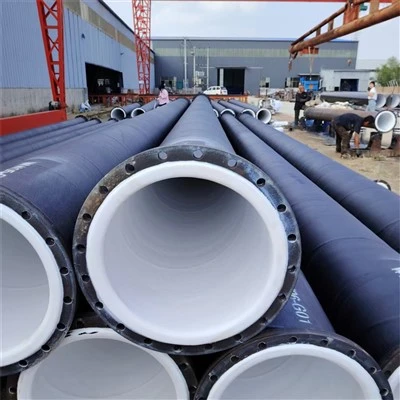
Urban water supply networks, sewage systems, and fire protection pipelines are all based on steel pipes. Although ductile iron pipes are becoming increasingly popular, steel pipes remain an irreplaceable option for high-pressure water transmission (such as the South-to-North Water Diversion Project) and for crossing complex geological conditions. In recent years, plastic-lined composite steel pipes have overcome the rust problem of traditional steel pipes and have seen significant growth in their use in municipal water supply and drainage.
III. Technical Characteristics and Selection Key Points
The core performance indicators of basic steel pipes include tensile strength, yield strength, elongation, and impact toughness. For example, Q235B steel pipe for construction must have a yield strength of ≥235 MPa, while API 5CT steel pipe for offshore platforms requires an impact energy of ≥40 J at -20°C. Key considerations when selecting a pipe include:
Environmental Factors: Salt spray corrosion-resistant stainless steel pipe (such as 316L) is preferred in coastal areas.
Load Conditions: Quenched and tempered steel pipe should be selected for structures subject to dynamic loads.
Economics: Conventional welded steel pipe can be used for non-critical components to reduce costs.
IV. Future Development Trends
With advances in materials science, basic steel pipes are developing towards higher performance and greater versatility. For example, nano-coated steel pipes significantly improve wear resistance and are suitable for mining machinery. Fiber-reinforced composite steel pipes, which combine high strength with low weight, are emerging in new energy equipment. Furthermore, digital manufacturing technologies (such as laser-welded steel pipes) are driving revolutionary improvements in production efficiency and quality control.
Conclusion
From skyscraper foundations to transoceanic oil and gas pipelines, foundation steel pipes underpin the operation of modern society with their reliable performance. Understanding their scope and characteristics is not only fundamental to engineering material selection but also a key step in driving technological advancements across various industries. With breakthroughs in new materials and manufacturing processes, the application boundaries of foundation steel pipes will continue to expand.